An act of economic warfare that demands the essentiality of the service
Nuevo
Agregar La Derecha Diario en
Compartir:
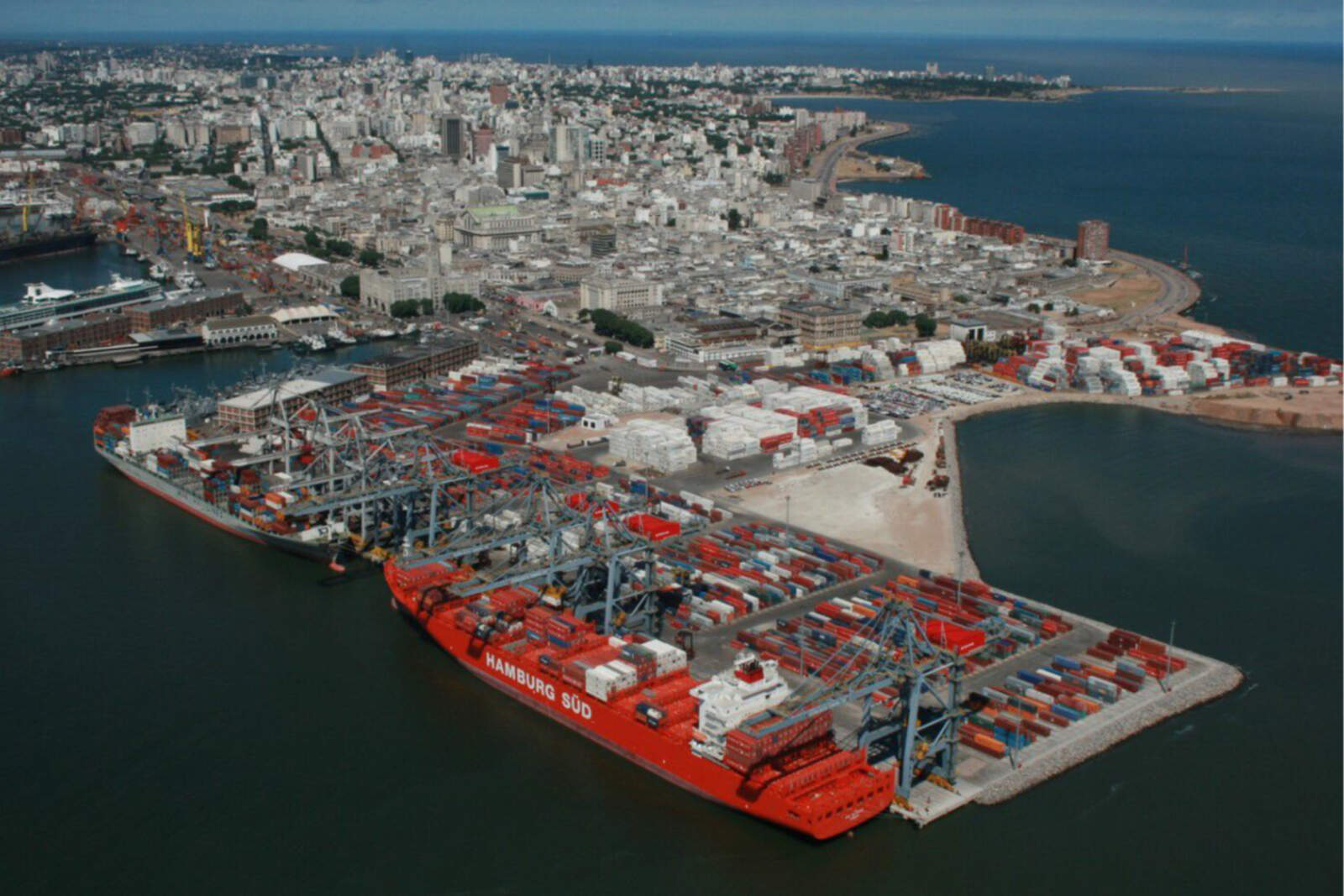
The Port of Montevideo, a vital artery of the Uruguayan economy, is once again suffering from labor actions at the Terminal Cuenca del Plata (TCP), paralyzing operations from Saturday the 18th until at least Monday, October 20th.
This is not a mere labor dispute; it is an act of war against all of Uruguay, a deliberate act of sabotage that jeopardizes the livelihoods of thousands of families and the country's economic viability.
The conflict, which has dragged on for weeks, centers on the implementation of the Navis N4 operating system by Katoen Natie, the Belgian company that controls 80% of TCP in partnership with the National Port Administration (ANP).
The union members, led by Supra, reject this technological tool —widely used in more than 300 ports worldwide to optimize logistics and reduce waiting times— arguing unfounded fears of job losses.
Instead, they demand a reduction of the workday to six hours without a pay cut, an unrealistic demand that completely ignores the impact on regional competitiveness.
The result: a union assembly that rejected government-backed proposals for tripartite dialogue, leaving the terminal inoperative and truck drivers stranded in endless lines.
The consequences are devastating and are not limited to the port. Each day of paralysis means containers go unloaded, ships "sail on" to rival ports such as Buenos Aires or Santos, and a disrupted commercial flow that affects not only Uruguay, but also dependent countries such as Paraguay and the Argentine littoral.
If there is no loading, there is no payment; if there is no payment, there can be no pay. This is a sector that represents about 70% of national port operations, with direct impacts on exporters of beef, soybeans, timber, and dairy products —pillars of our trade balance—.
Millions of dollars in foreign currency evaporate, production chains break, and families of rural producers, truck drivers, and port workers see their daily incomes threatened.
According to preliminary estimates from the Chamber of Industries or the Exporters Center, the accumulated losses from these strikes could exceed 50 million dollars just in October, a blow that no emerging economy like ours can afford in times of global uncertainty.
This is not the first round: Supra temporarily lifted the measures on October 8th at the request of the Executive, only to resume them last Thursday after the expiration of an unsuccessful negotiation period. Tripartite meetings at the Ministry of Labor have been a failure, with the union accusing the company of "muddying the field" and the Belgian company insisting that dialogue must take place under normal operations.
How much longer are we going to tolerate Uruguay's maritime connectivity being at the mercy of a union faction's will? The port is not a union fiefdom; it is the logistical heart of the nation, an essential service whose interruption amounts to an economic siege.
It is time for the Executive Branch to act with the firmness granted by the Constitution. It must immediately declare the port service essential, invoking Article 54 of the Essential Services Law to guarantee operational continuity and submit any dispute to binding arbitration.
Puerto Montevideo.
This is not about restricting labor rights —which must be respected—, but about defending the general interest above ideological standoffs.
Uruguay can't continue to be held hostage by a unionism anchored in the twentieth century, which prioritizes utopian demands over the modernization that would make us competitive against Brazil or Argentina.
If we do not intervene now, the damage will be irreparable: less foreign investment, lost trade routes, and a GDP weighed down for months.