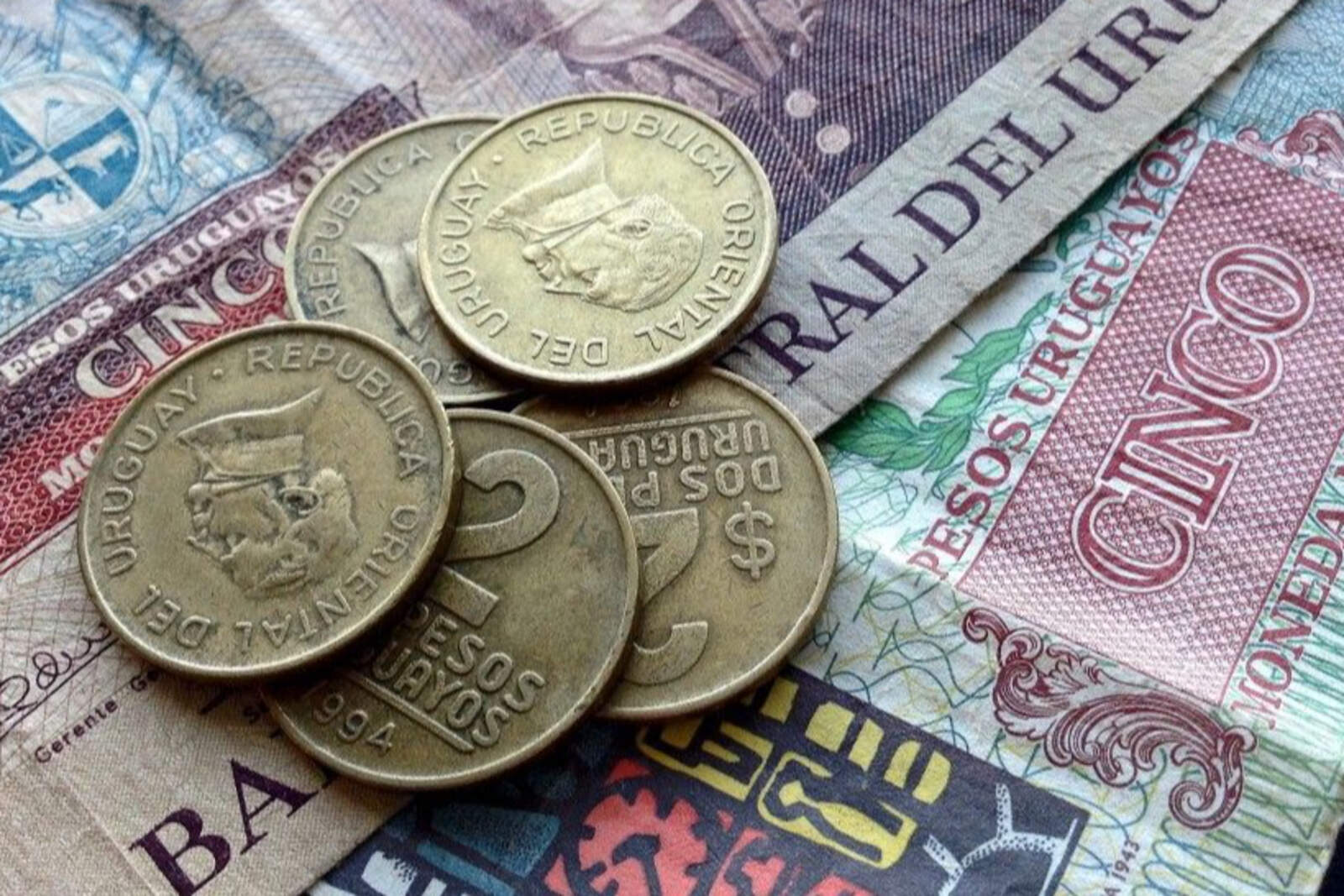

What if Uruguay had chosen the real thing? Most people look at Uruguay's economic history and see a country that grew well for decades, exporting meat and wool, attracting immigrants, with an enviable location on the Río de la Plata estuary. But few people stop to ask why, despite all that potential, Uruguay did not reach in 1900—or even come close to—the standard of living of the United States or the United Kingdom. Uruguay's per capita GDP was barely around one-third of the United States' and was notably below the British level. Was it bad luck? Were the civil wars to blame? Or was it something deeper, something that repeats itself in almost every nation that fails to escape mediocrity?
The answer lies in a single word: intervention. The most destructive form of intervention that exists is the one that touches money itself.
Let us imagine that, instead of tolerating banks with fractional reserves, allowing inflationary issuance, and accepting that the state would interfere again and again in the banking system, Uruguay had adopted since the mid-19th century a regime of genuine free banking with a 100% reserve requirement. No artificial credit expansion. No state issuing bank. No payment suspensions decreed by the government. Only voluntary contracts, sound money (gold or silver backing every banknote and every demand deposit), and absolute respect for private property. What would have happened then?
What would have happened is what always happens when the market is allowed to function without sabotage: sustained and accelerated prosperity.
The fatal mistake that almost everyone makes
Ordinary people—and many economists—only see what is immediately in front of their eyes. People see a bank lending money that it doesn't entirely have in its vault and think: "How great, more credit, more investment, more growth." People see the government issuing currency to finance public spending and think: "How great, more employment, more public works." But that is only half the story. The other half—the one that really counts—is what is not seen.
When a bank creates deposits out of nothing through fractional reserves, it is stealing purchasing power from everyone who already has money. When the government prints or forces credit expansion, it is diverting real resources toward projects that voluntary saving would never have financed. The result is not more wealth; it is less wealth. It is an artificial boom inevitably followed by crisis. It is what happened in Uruguay in 1890, linked to the Baring crisis, and in so many other episodes of monetary instability.
In a system with a 100% reserve requirement, none of that happens. Every loan must come from prior real saving. Interest rates reflect people's true time preference for consuming now or later. There are no cycles induced by easy credit. There is no chronic inflation that erodes wages and savings. Capital truly accumulates, because no one can squander other people's savings. The accumulated capital is what generates real progress: more tools, more machinery, higher wages, longer and more comfortable lives.
What Uruguay lost by not choosing that path
Uruguay had moments of relative banking freedom in the 19th century. There were private banks issuing notes under the gold standard. But the interventionist temptation was always there: the state creating national banks, regulating issuance, suspending payments, protecting friends of those in power. Every intervention eroded confidence, diverted capital, and slowed the compound growth that could have been.

Instead, think about what would have happened if strict discipline had been maintained: