
Any Uruguayan who today, in 2025, defends the Palestinian cause in Gaza is, de facto, supporting Hamas. This Islamist and terrorist organization has controlled the Gaza Strip for almost twenty years, repressing the Palestinians themselves. Its worldview is totalitarian, apocalyptic, and deeply hostile to any form of pluralism or freedom.
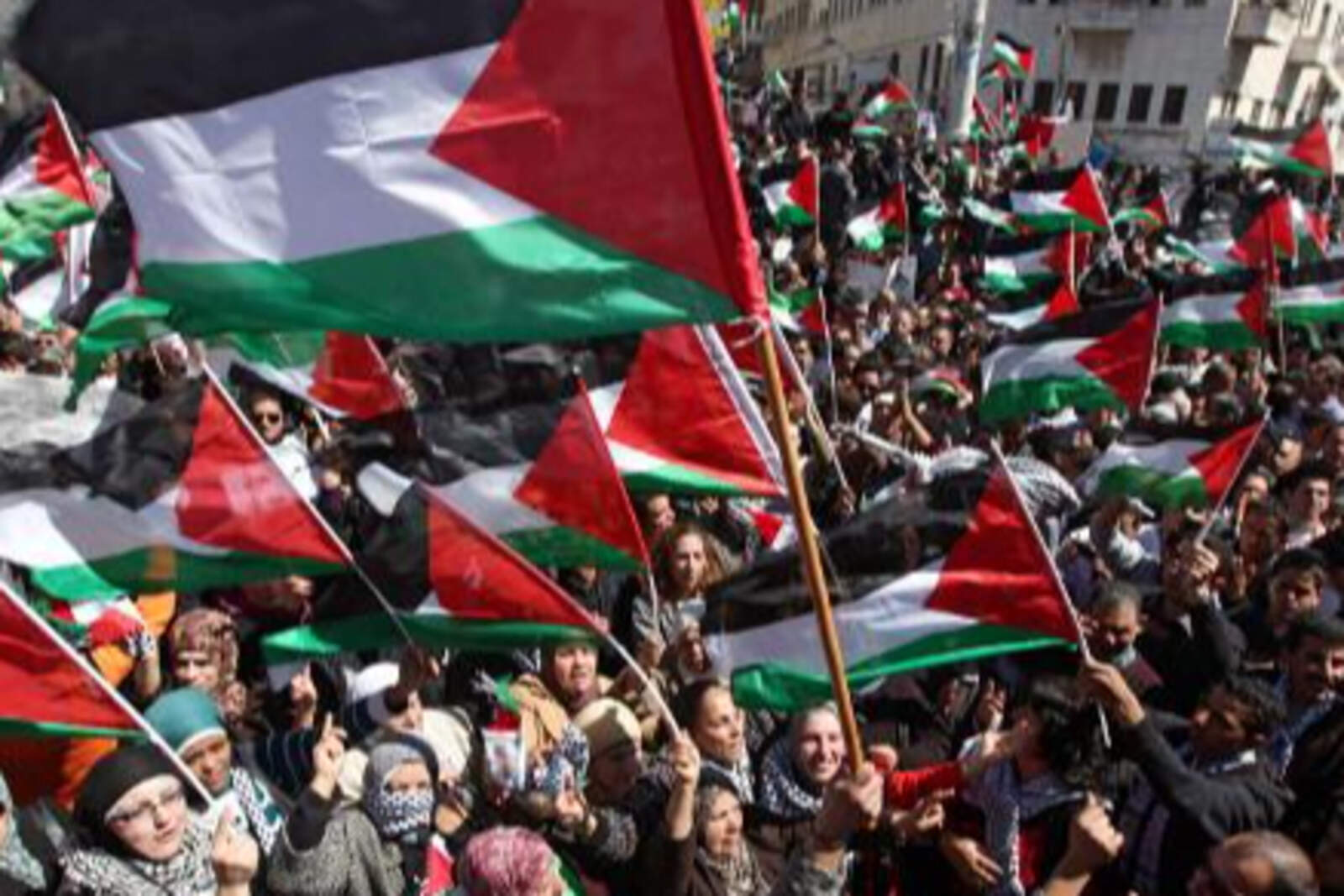
However, we see Uruguayan university students enthusiastically waving Palestinian flags, accusing Israel of genocide and repeating slogans that, in many cases, deny the very right of the State of Israel to exist.
How can this paradox be explained?
1. Geopolitics: the old anti-Western reflex
The Palestinian cause has been essentialized for decades by authoritarian regimes such as the Soviet Union, Cuba, Iran, Venezuela, and today Russia, not out of love for the Palestinian people, but as a tool to weaken the West.
In Uruguay, the left has drawn from that tradition and keeps ideological and material ties with those countries. Sympathy with Hamas is often not conscious, but it serves those interests.
Evidence? There is some. In July of this year, the Cuban ambassador actively participated in an event of the Uruguayan Communist Party. This is a form of open political interference. Its objective? To strengthen narratives that weaken Israel, the United States, and Europe. Result? Young people repeating speeches designed thousands of kilometers away. None of them has read Hamas's founding charter.
You may also be interested in this article about Mujica's contradictory past.
2. Culture and psychology: useful apocalypticism
Hamas is not just an armed group: it is the Palestinian branch of the Muslim Brotherhood, an Islamist organization that preaches a holy war against the West. But many young Uruguayans fail to see this.
Raised in a secular and progressive environment, they do not understand how a mind indoctrinated in religious fanaticism from childhood works. They then place Islamists in the category of "oppressed," and Israel—a vibrant democracy—as "oppressor."