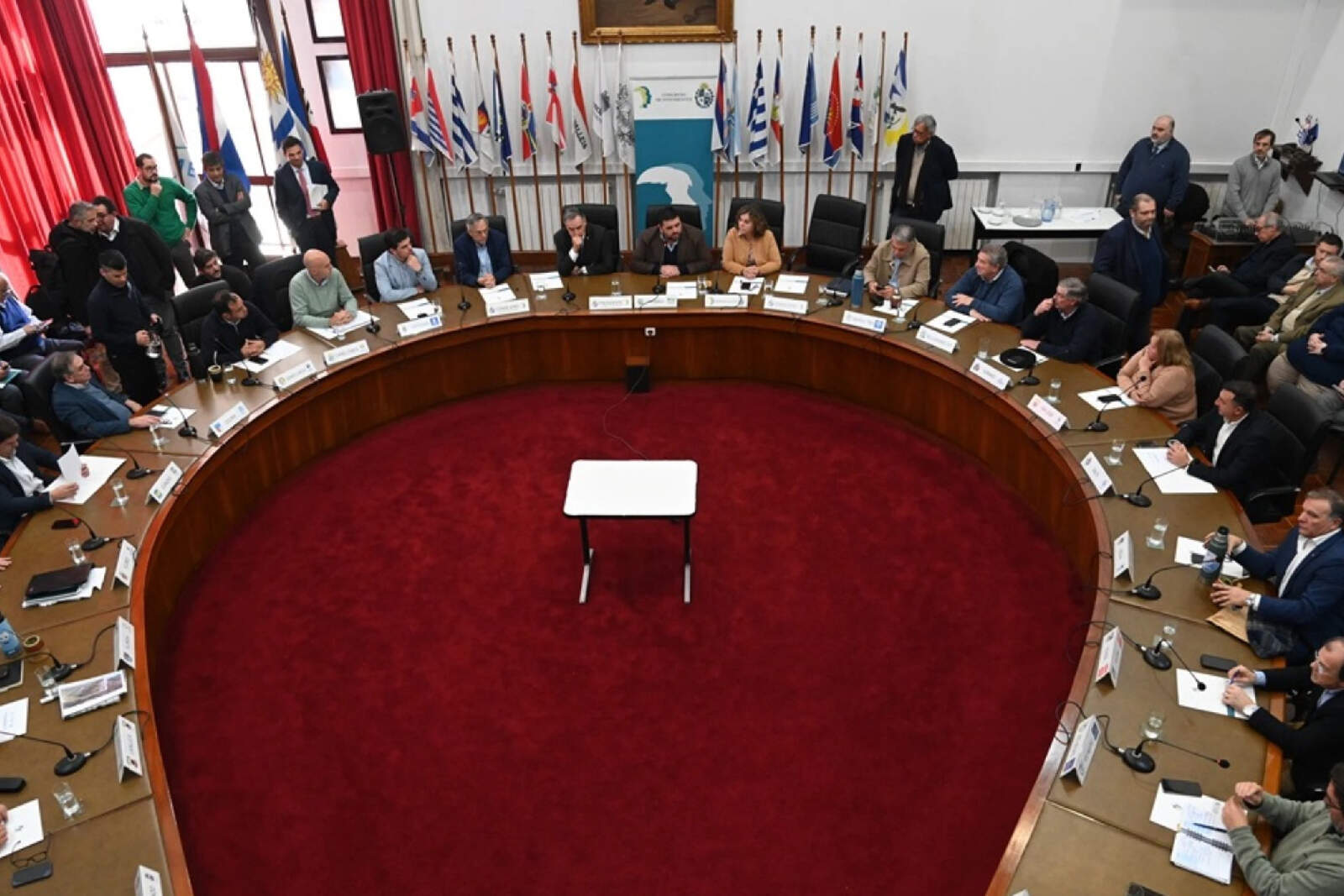

In a country with barely 3,500,000 inhabitants and 176,215 km², it is unacceptable that there are 19 departmental governments and more than 125 municipalities: all with their respective mayors, municipal councils, offices, vehicles, employees, and an absurd waste of public money.
Uruguay has a national structure that is already obscene in itself: 14 ministries with their corresponding secretariats, directorates, divisions, advisors, and tens of thousands of public employees.
Under the undesirable logic of "bringing the State closer to the citizen," the bureaucracy has tripled, causing an unsustainable cost for the taxpayer and reproducing, at the departmental and municipal level, functions that already exist within the gigantic and inefficient national government.
The deviation of the intendencias from their proper role to accommodate their comrades
The intendencias exist to take care of basic services: cleaning, road maintenance, street lighting, land use planning. In practice, they increasingly resemble mini vote-buying States.

What began as administrative decentralization has ended up as a source that feeds the party activists, who will ensure their reelection, at the expense of the taxpayers' hunger.
You may also be interested in what social democracy is like.
Far from decentralizing, Uruguay promotes an institutional engineering that responds to political distribution. Uruguayans support three monstrous levels of government, only to receive in return shameful public services.
From mayor to president
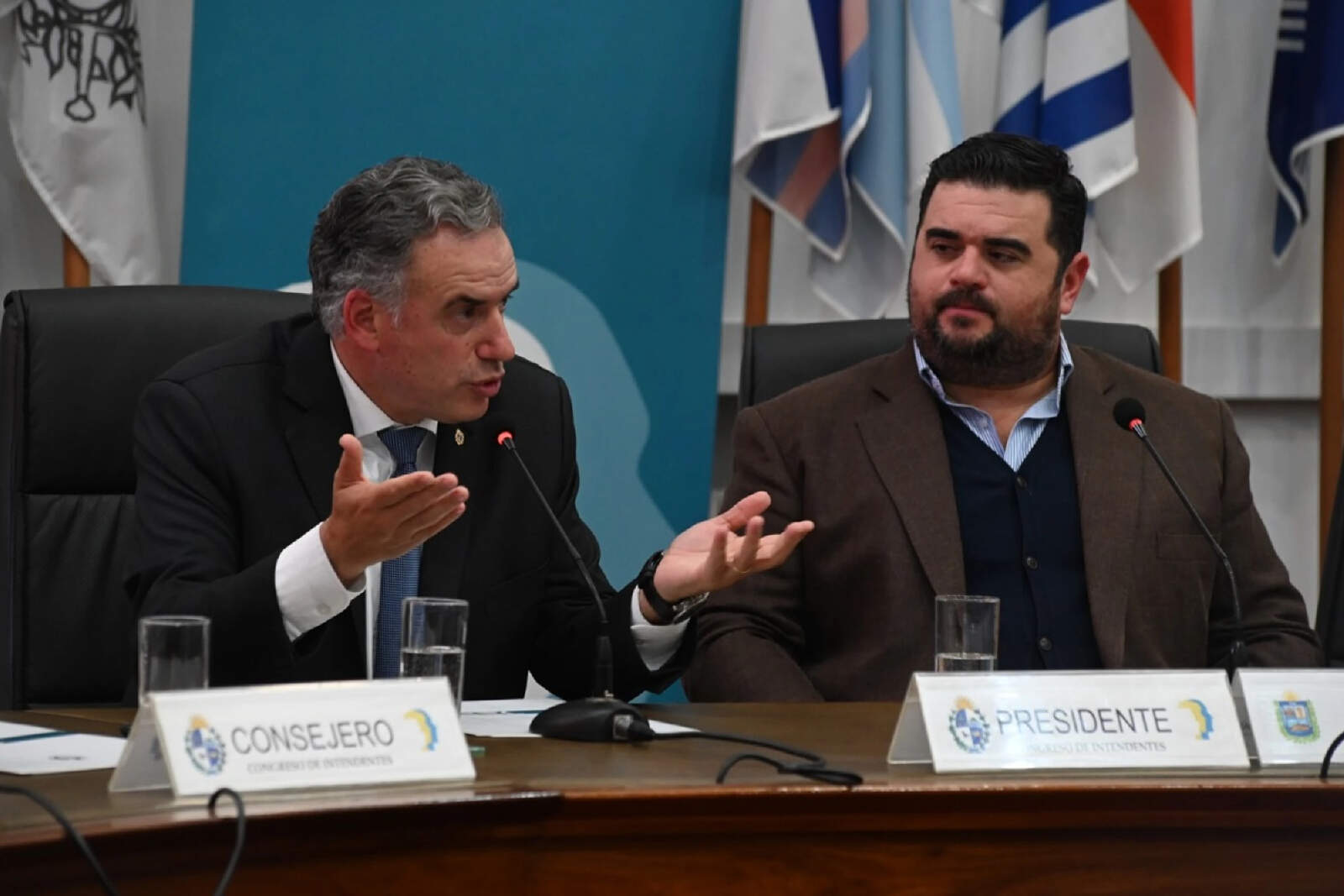
The case of Canelones, administered from 2015 to 2024 by Yamandú Orsi, is absurd: it has 32 municipalities. In 2024 alone, the intendencia authorized a fund of up to 3.6 billion pesos (7,936,642 pounds) for "social, cultural, and environmental development" projects.
Departmental gender offices, social directorates, units with a human rights perspective, cultural programs for leftist "artists", while in the smallest pit the canarios bathe when it rains.