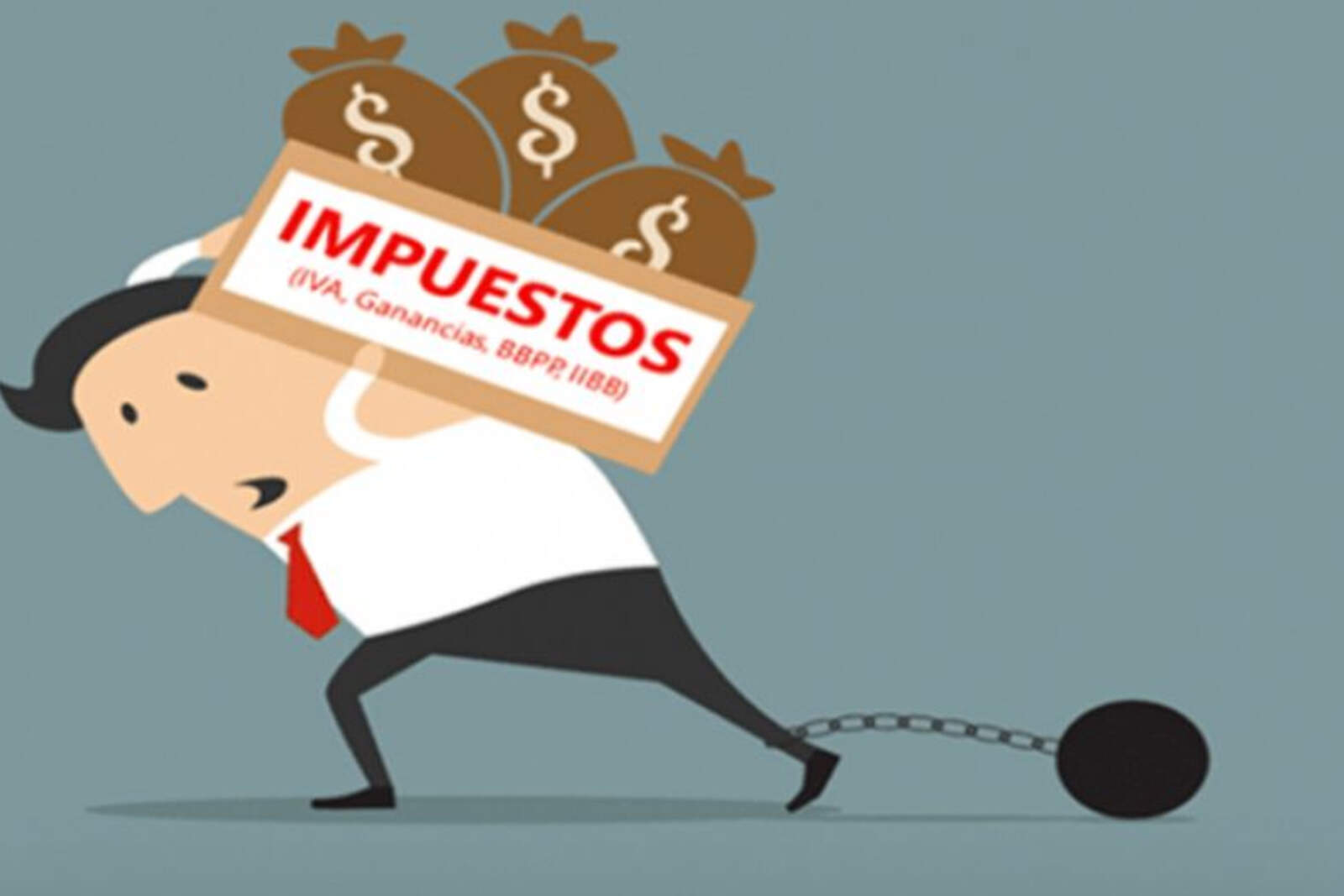

Why are there 62 billion dollars belonging to Uruguayans abroad? Because Uruguay is a fiscal hell (and it also doesn't have a capital market).

Why are there 62 billion dollars belonging to Uruguayans abroad? Because Uruguay is a fiscal hell (and it also doesn't have a capital market).
Taxes
porEditorial Team
Uruguay

Many Uruguayans prefer to keep their savings outside the country

Compartir:

Uruguayan residents (individuals and companies) hold a record figure of 61.862 billion dollars in bank deposits and financial investments abroad, according to the latest official data from the Central Bank of Uruguay (September 2025).

This mountain of money is equivalent to more than 1.5 times the country's GDP. It could finance all public and private investment for several years, build tens of thousands of homes, roads, ports, or industrial plants. However, it remains far from our borders.

The question is simple: if that money belongs to Uruguayans, why do its owners prefer to keep it abroad instead of bringing it in and investing it here?

The answer is also simple, although uncomfortable for those who believe the State can force the destiny of private savings: the money leaves (or stays abroad) because its owners perceive that in Uruguay it is less secure, yields less, faces greater risks of future expropriation and, on top of that, there is no serious and developed capital market where it can be placed efficiently and transparently.

Savings always seek the highest real risk-adjusted return.

No saver leaves hundreds of thousands or millions of dollars in an account just out of whim. They do so because, in their subjective calculation, that location offers the best combination of:

- Expected return  
- Legal security  
- Immediate liquidity  
- Protection against unexpected future taxes  
- And, crucially: the existence of a deep, liquid, and reliable financial market.
Trampa
Trampa

In Uruguay, that last point simply doesn't exist. We do not have a capital market worthy of the name: the Montevideo Stock Exchange moves in a year what Wall Street moves in half an hour.

There are very few listed companies, liquidity is ridiculous, transaction costs are high, and regulation, although improved, is still insufficient to generate mass confidence.

When there is no capital market, money ends up anywhere… including in scams.

In the absence of a competitive local financial ecosystem, Uruguayan savers end up doing two things:

1. They go abroad (U.S., Europe, Singapore) where there are deep markets, thousands of investment options, and rules that do not change every five years.

2. Or, those who want to "stay in Uruguay" or can't/do not wish to move everything abroad, end up falling into informal schemes, "local opportunities" promoted by dubious brokers or directly into pyramid schemes disguised as agricultural investment, "exclusive" trusts, or "foolproof real estate projects."

The most emblematic recent case is precisely Conexión Ganadera: a supposed investment in cattle fattening that attracted hundreds of millions of dollars from Uruguayans (many of them conservative savers who did not want to send everything abroad) and ended up being a classic Ponzi scheme.
Dozens of families lost their life savings because, in the absence of a serious capital market where they could place their money in a regulated and transparent way, they ended up trusting "Uruguayan" return promises that were too good to be true.

Impuestos
Impuestos

Conexión Ganadera is not the exception: before that, there were forestry trusts that never planted a single tree, "cattle investment companies" that disappeared, real estate developments on the coast that remained as renderings, etc.

All have the same common denominator: the absence of a developed capital market that channels savings into the real economy efficiently and safely.

Tax is the main danger signal… and the lack of a capital market is the second.

When, in addition to not having anywhere to invest locally, the saver perceives that each new government brings the temptation to "go after the money that is abroad" (worldwide wealth tax, tax on foreign interest, tax on global capital gains, etc.), the decision is obvious: it is better to leave everything abroad, in U.S. Treasury bonds or in an S&P 500 ETF, where at least no one questions whether tomorrow you will be charged 2% annually on your worldwide assets.

Capital is not patriotic. It is cowardly by nature: it flees from political and regulatory risk and also from the lack of serious investment options.

What would make those 62 billion start to return tomorrow?

Very simple:

- A credible and long-term commitment not to touch external savings or tax capital gains realized abroad.  
- A significant and permanent reduction in the tax burden on domestic productive capital.  
- Eliminate all public discussion about wealth or global financial income taxes.  
- And, essentially: finally develop a deep, liquid capital market with many listed companies, low costs, modern regulation, and institutional trust, so that Uruguayan savers have real alternatives within the country and do not end up either abroad or in the next Conexión Ganadera.

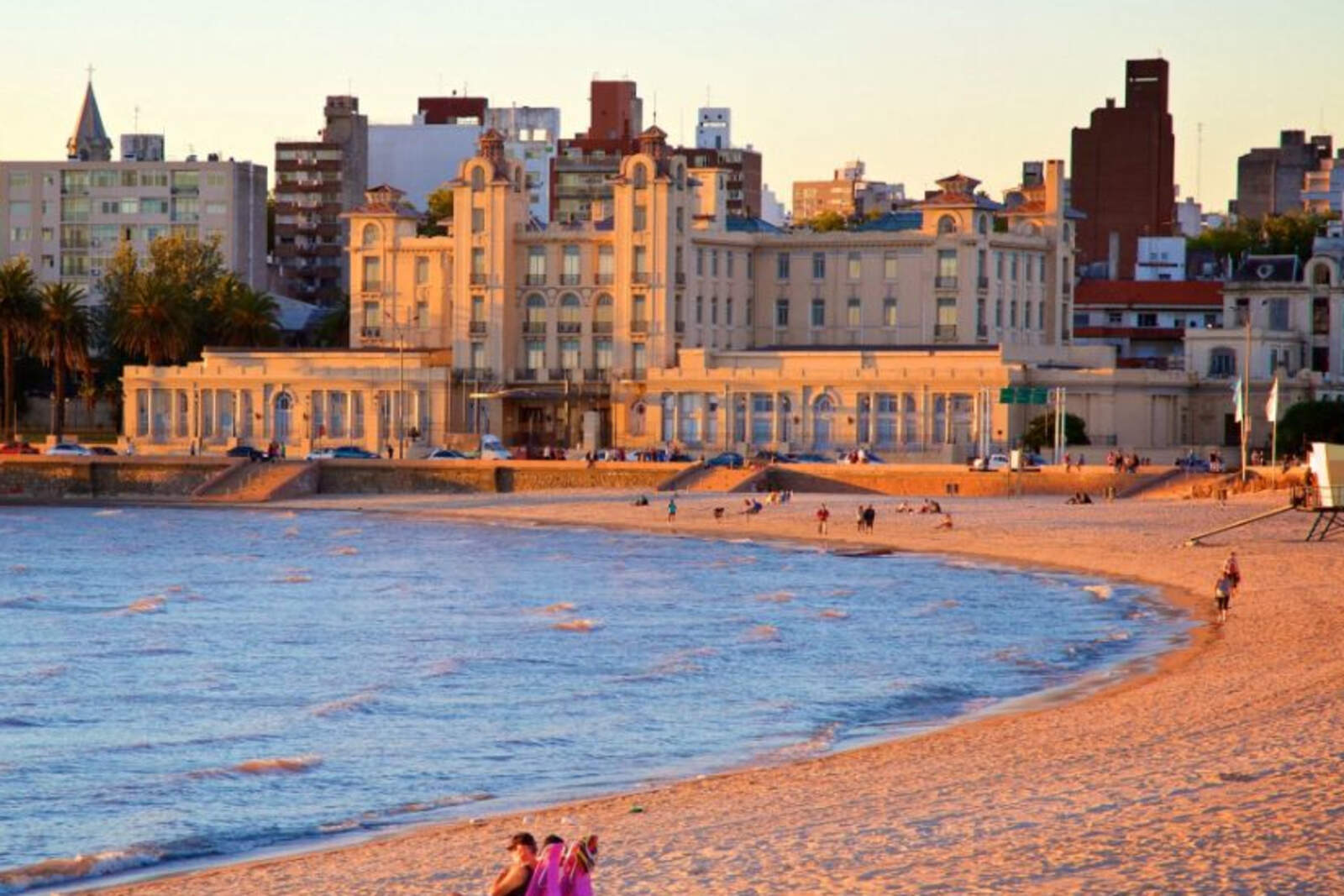
Playa
Playa

Meanwhile, as long as these conditions do not exist, no decree, patriotic campaign, or moralizing speech will bring back a single dollar of those 62 billion.

The owners of that capital are not punishing Uruguay. They are simply protecting what is theirs in the only place where they feel safe today and where real investment options exist.

If one day the country decides to become the safest, most profitable place with the best capital market in the region, that money will return on its own. Much more will come as well.

Until then, it will remain abroad… or in the next local scam. No one will have the right to be surprised.


Noticias relacionadas

Communist corruption in Sunca. Slow progress in the Attorney General's Office

Communist corruption in Sunca. Slow progress in the Attorney General's Office

Marine diesel and the hidden cost of the state monopoly: a lesson in how intervention distorts production

Marine diesel and the hidden cost of the state monopoly: a lesson in how intervention distorts production

The Uruguayan left supports the Cuban communist narco-dictatorship

The Uruguayan left supports the Cuban communist narco-dictatorship

A24 and Infobae: the only media that handed over those responsible for the Russian operation

A24 and Infobae: the only media that handed over those responsible for the Russian operation

The role of Realpolitik and Santiago Sautel in the Russian network against Milei

The role of Realpolitik and Santiago Sautel in the Russian network against Milei

Foreign Minister Pablo Quirno responded to the Russian embassy

Foreign Minister Pablo Quirno responded to the Russian embassy

La Derecha Diario logo
ESX logoInstagram logoYouTube logoTikTok logo
ARGENTINABOLIVIAECUADORISRAELMEXICOURUGUAYDERECHA DIARIO TV
  • ESXInstagramYouTubeTikTok
  • DERECHA DIARIO TV
  • Secciones
  • ARGENTINA
  • BOLIVIA
  • ECUADOR
  • ISRAEL
  • MEXICO
  • URUGUAY
  • Países
  • La Derecha Diario logoLA DERECHA DIARIO
  • La Derecha Diario México logoLA DERECHA DIARIO MÉXICO
  • La Derecha Diario Uruguay logoLA DERECHA DIARIO URUGUAY
  • La Derecha Diario Ecuador logoLA DERECHA DIARIO ECUADOR
  • La Derecha Diario Bolívia logoLA DERECHA DIARIO BOLÍVIA
  • La Derechadiario República Dominicana logoLA DERECHADIARIO REPÚBLICA DOMINICANA
  • La Derecha Diario Israel logoLA DERECHA DIARIO ISRAEL
  • La Derecha Diario Estados Unidos logoLA DERECHA DIARIO ESTADOS UNIDOS
  • Temas
  • GUERRA EN IRÁN
  • JUICIO POR YPF
  • El Diario
  • QUIENES SOMOS
  • AUTORES
  • PUBLICIDAD
  • DONAR
La Derecha Diario logo
TwitterInstagramYouTubeTikTok
Derecha Diario TV

Nosotros

  • Quienes Somos
  • Autores
  • Donar

Privacidad

  • Protección de datos
  • Canales
  • Sitemap

Contacto

  • info@derechadiario.com.ar
PUBLICIDAD