Lucio Dupuy's grandfather reported judicial negligence and lack of state control, while the Public Prosecutor's Office confirmed a brain injury and points to the mother and her partner as the main suspects.
The grandfather also focused on how family reconnections are implemented, especially in contexts where there is a history or suspicion of abuse. According to his vision, these processes must have permanent monitoring and real controls, something that —he complains— does not happen in practice: “You can't tell me by phone that you're going to go. You have to show up without warning and see what conditions that creature lives in.” In addition, he expressed his bewilderment at the lack of institutional reaction: “It doesn't enter my mind how they can't listen to children.”
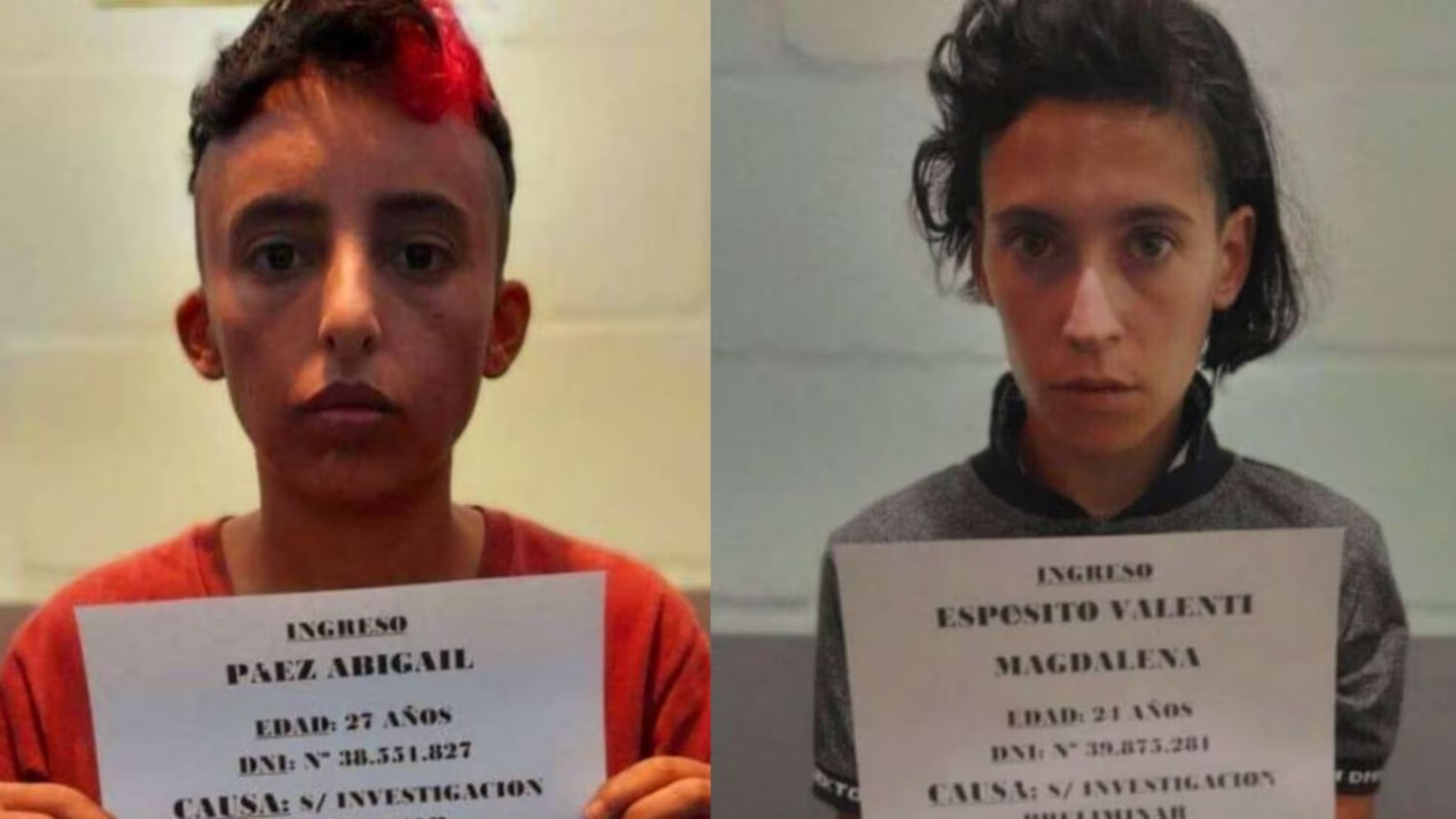
In parallel, the court case is beginning to provide relevant data. The prosecutor Cristian Olazábal, who temporarily replaces Facundo Oribones, confirmed the existence of a brain injury in the minor. In addition, he noted that the mother and her partner are the main suspects, as they are the last people who were with the child before his death. “We didn't have an interview with the parent and her current partner. They are the main suspects and that could cause us to be null and void in the future,” he explained, detailing that both have already been notified
of their procedural situation.
“They were made aware that they are suspected, there is an accusation made by the Public Prosecutor's Office and they are under state control,” he added, although he clarified that they have not yet been brought before a criminal judge.
Magdalena Espósito Valenti and Abigail Páez Frydlender
According to the prosecutor, the child's father, Luis López, went to justice on Monday morning to report what happened. There he indicated that Ángel had been reconnected with his biological mother just a month earlier. Regarding the initial medical evidence, Olazábal said: “We required the medical record, we had a conversation with the staff who assisted him, no traumatic injury emerged from the doctors' intervention, there were no signs of violence.” However, the subsequent confirmation of a brain injury opens up new lines of research and deepens suspicion
.
Ángel's case is not only making progress at the judicial level, but it reinstates a substantive debate on the role of the State, Justice and the criteria used in critical decisions such as the possession of minors. Ramón Dupuy's words reinforce a warning that resonates more and more strongly: when warning signs are ignored, the consequences
can be irreversible.
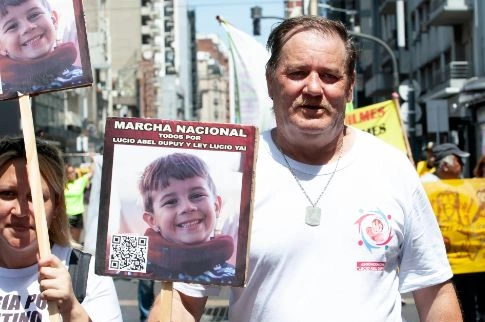
The death of Ángel, the 4-year-old boy who died in Comodoro Rivadavia, continues to generate repercussions at the national level and deepens the debate on the actions of justice and child protection agencies.In this context, a voice loaded with symbolic weight reignited the controversy: that of Lucio Dupuy's grandfather, who established a stark parallel between the two cases.
This is Ramón Dupuy, who did not hesitate to say: “My grandson was killed anyway”, suggesting that Ángel's death would not have been an isolated event, but rather the result of structural failures similar to those that led to the crime that occurred in La Pampa in 2021.
In a dialogue with LN+, Ramón Dupuy expressed his shock after learning of the boy's death and assured that the case is “illogical” and “totally avoidable”.“It's heartbreaking, it's reliving something that happened to us. Although it's been four years, for us it was last night and we can't get over it,” he said, evidencing the emotional impact that still persists on his family. Lucio's grandfather pointed directly against judicial negligence and the role of state agencies: “There is judicial negligence and negligence of children's agencies
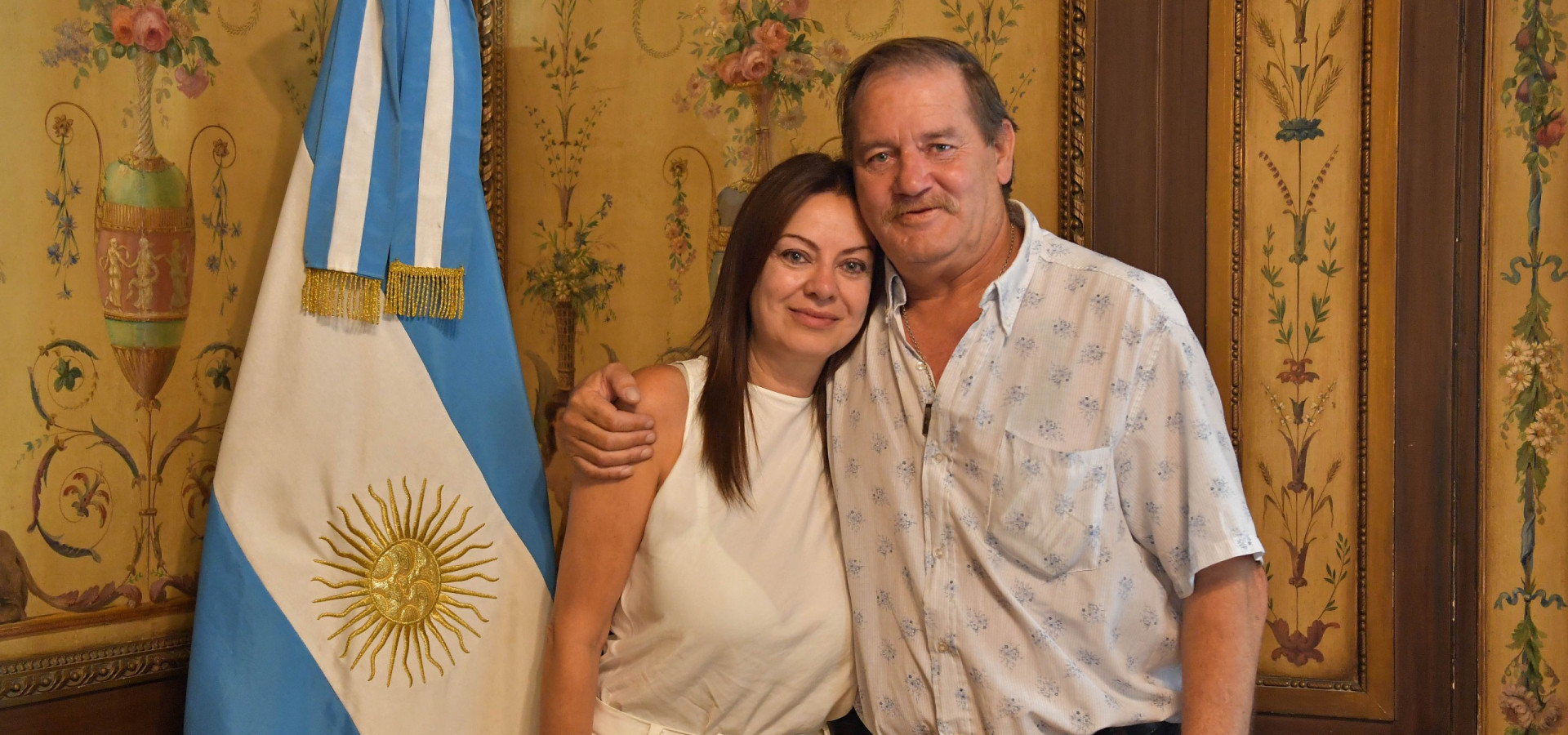
,” he said. Lucio's grandfather, Ramón Dupuy and the minister, Sandra Petovello
One of the central axes of his criticism was the lack of listening to minors in situations of risk. In that sense, he highlighted a key difference between the two cases, but with the same tragic result: “Lucio didn't have the opportunity to say that he didn't want to go. This child was heard and, even so, no action was taken. Children don't lie. These aren't tantrums, it's the truth of a minor
.”
The phrase refers directly to the records where Ángel stated that he did not want to go with his mother, which reinforces criticism of the decisions taken by Justice in the reconnection process. Dupuy insisted on the need to interpret these signals: “You have to listen, listening is not the same as hearing a creature that is begging