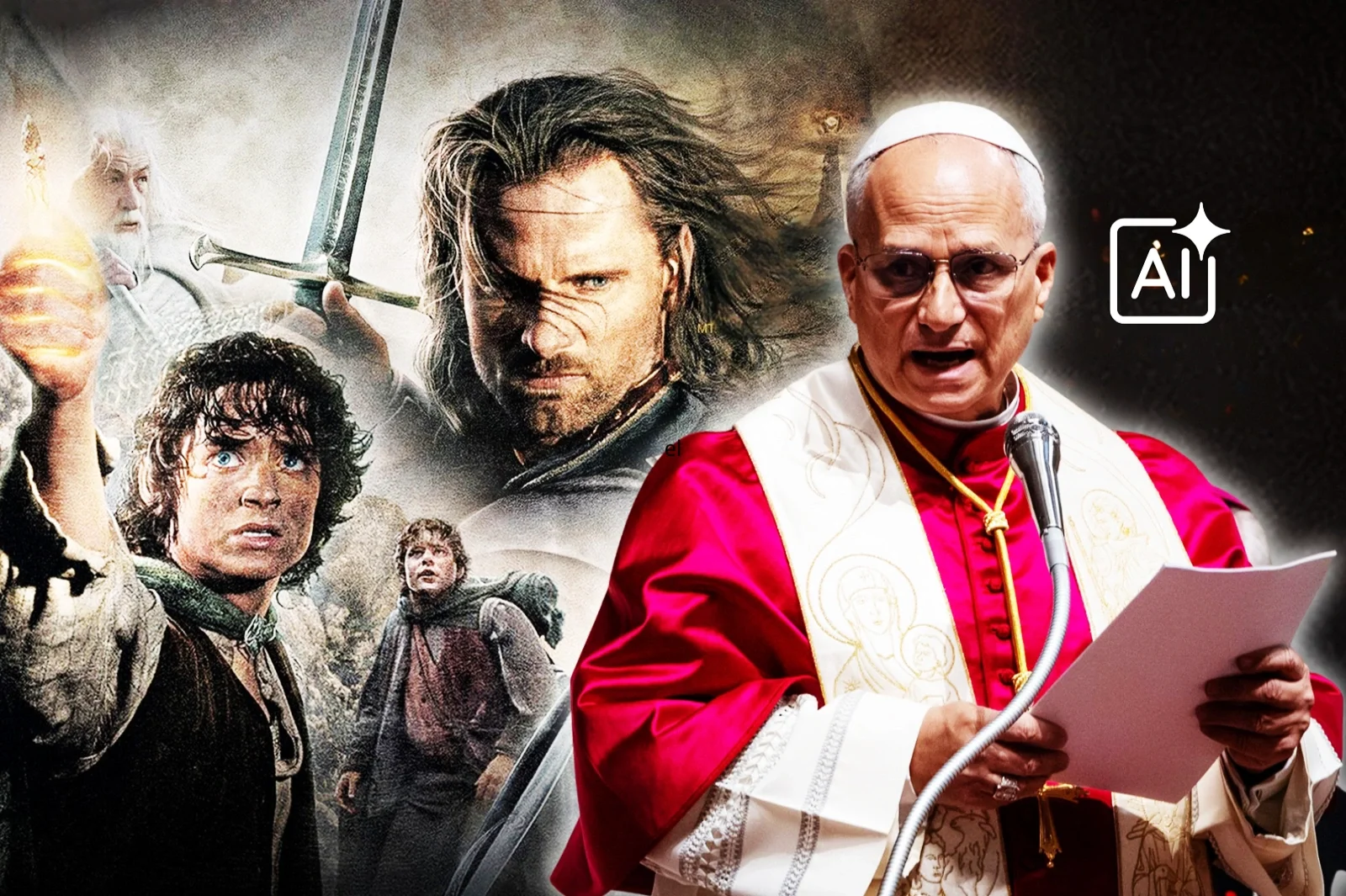

Pope Leo XIV quoted "The Lord of the Rings" to talk about artificial intelligence.

Pope Leo XIV quoted "The Lord of the Rings" to talk about artificial intelligence.

In his encyclical "Magnifica Humanitas," the Pope warned about the risks in the development and use of AI.

Share:

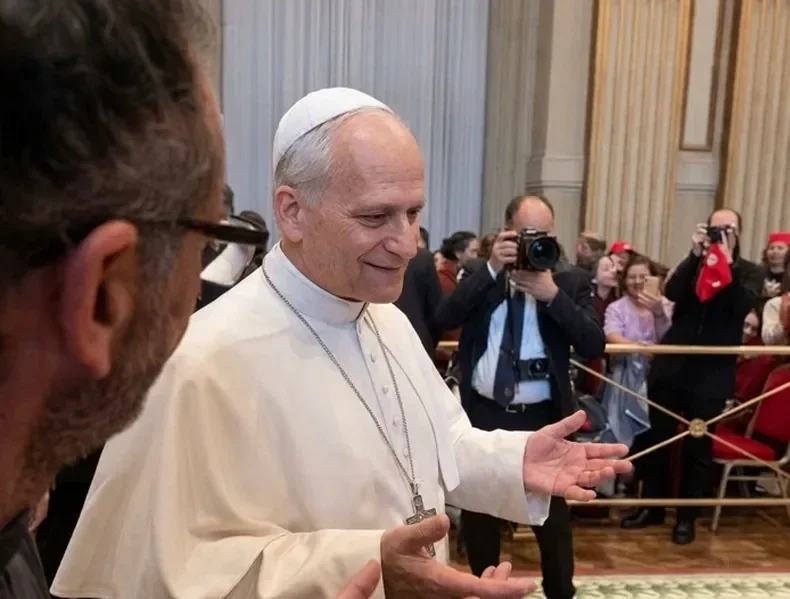
The Pope Leo XIV presented his new encyclical Magnifica Humanitas (“Magnificent Humanity”) this Monday at the Vatican, a document focused on the impact of technology and artificial intelligence on society, in which he included a striking reference to "The Lord of the Rings" to define the role of humanity in the face of these advancements.

In an unusual gesture, the pontiff himself led the presentation of the text, accompanied by high-ranking prelates, theologians, and Christopher Olah, co-founder of the artificial intelligence company Anthropic. The encyclical, structured in five chapters, presents a critical but not condemnatory view of technology.

Within the section “We can all do our part”, Leo XIV quoted the author of The Lord of the Rings to frame human responsibility: “The Catholic author of the 20th century J.R.R. Tolkien, in the words of one of the protagonists of his novels, described our responsibility this way: ‘It is not our place to dominate all the tides of the world, but to do what is in us for the relief of the years in which we live, uprooting the evil from the fields we know, so that those who come after may find clean land to cultivate’.”
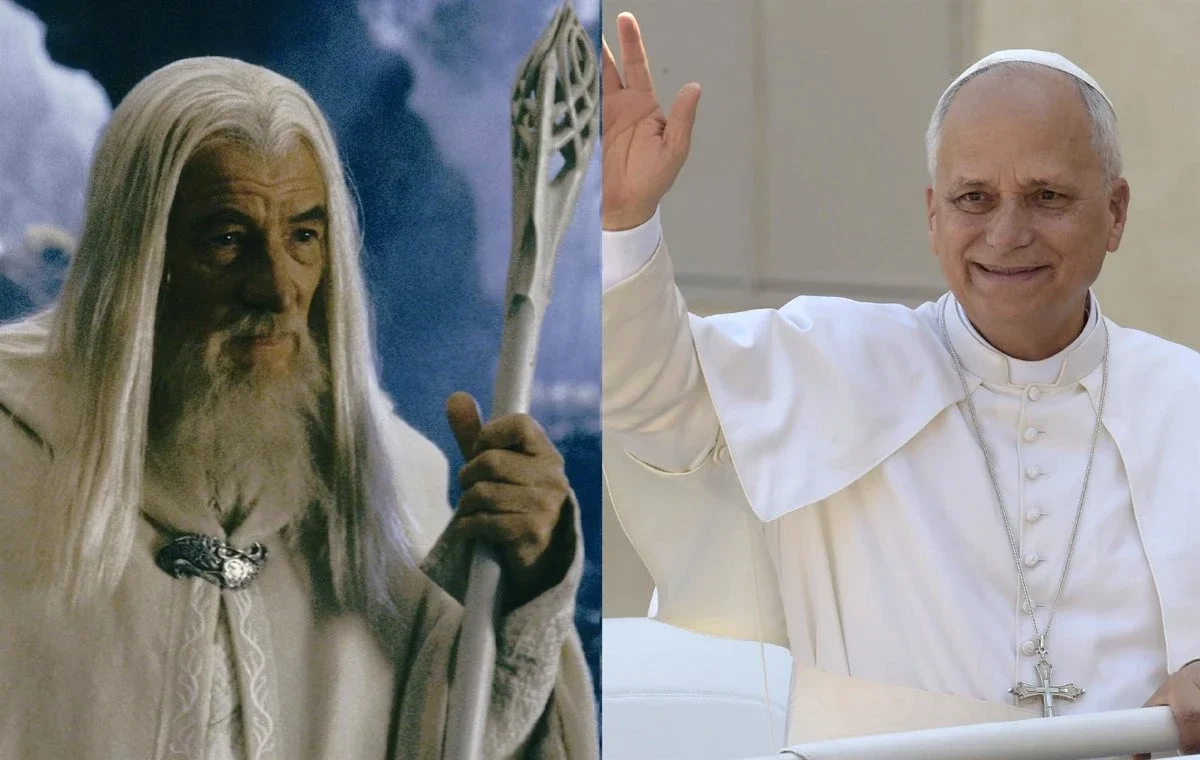
Pope Leo XIV quoted "The Lord of the Rings."

The document argues that technology should not be seen as a threat in itself. It states that it is not “an antagonistic force to humanity” nor “intrinsically evil”. However, it warns that “it is never neutral, because it adopts the characteristics of those who conceive, finance, regulate, and use it.”

One of the central themes of the text is the warning about the concentration of technological power. “AI tends to increase the power of those who already possess economic resources, experience, and access to data,” the Pope noted.

In that vein, he added: “Small but very influential groups can shape information and consumption patterns, influence democratic processes, and steer economic dynamics in their own favor, undermining social justice and solidarity among peoples.”
The encyclical deepens this concern by emphasizing that “when that power is concentrated in the hands of a few, it tends to become opaque and evade public oversight, increasing the risk of distorted forms of development that lead to new dependencies, exclusions, manipulations, and inequalities.”

Pope Leo XIV.
Pope Leo XIV.

Leo XIV also focused on the social impact of artificial intelligence in everyday life. He warned about the risk of people losing interest in connecting with other human beings due to interaction with artificial agents.

Additionally, he cautioned that delegating decisions to automated systems can “foster excessive dependence and the search for prefabricated answers, weakening creativity and personal judgment.”

Another highlighted concept in the document is the need to “dismantle” artificial intelligence, understanding this as liberating it from a “armed” logic of competition, both in military and economic and cognitive realms.

Moreover, the Pope warned about the emergence of “new forms of slavery,” related to both labor and environmental exploitation as well as practices within the technology industry, including the use of copyrighted material to train models and the extraction of minerals necessary for hardware.

On the military front, Leo XIV was emphatic in stating that the responsibility for lethal actions must remain in human hands, and he called for the establishment of international regulations in the face of the advancement of automated weapons.

Finally, the pontiff concluded with a warning about the pace of technological adoption: “Calling for prudence, for a rigorous evaluation, and even, at times, for a slower pace in the adoption of AI does not mean opposing progress; it is, on the contrary, an exercise of responsible care towards the human family.”