Market data reflect a strong share of savers from the start. In April 2025, the first month after deregulation, nearly one million people bought USD 2,077 million. In the following months, demand grew steadily: in May, USD 2,283 million were purchased, in June, USD 2,468 million, and in July the amount increased to USD 3,473 million.
One year after the Government of Javier Milei eliminated the exchange stocks, Argentines have since bought more than 31 billion dollarsin the formal circuit, while the exchange rate practically did not increase.
Since April 2025, following the decision of the libertarian administration to disarm restrictions for savers, the purchase of foreign exchange has been going strong month by month. According to official data, the cumulative total amounts to USD 31,373 million since the reopening of the foreign exchange market
.
The President himself highlighted the impact of the measure on the anniversary.
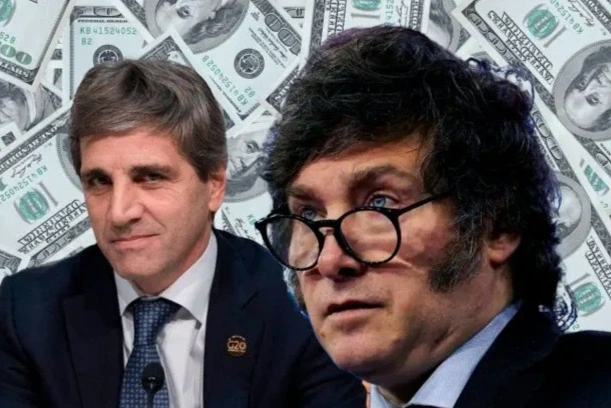
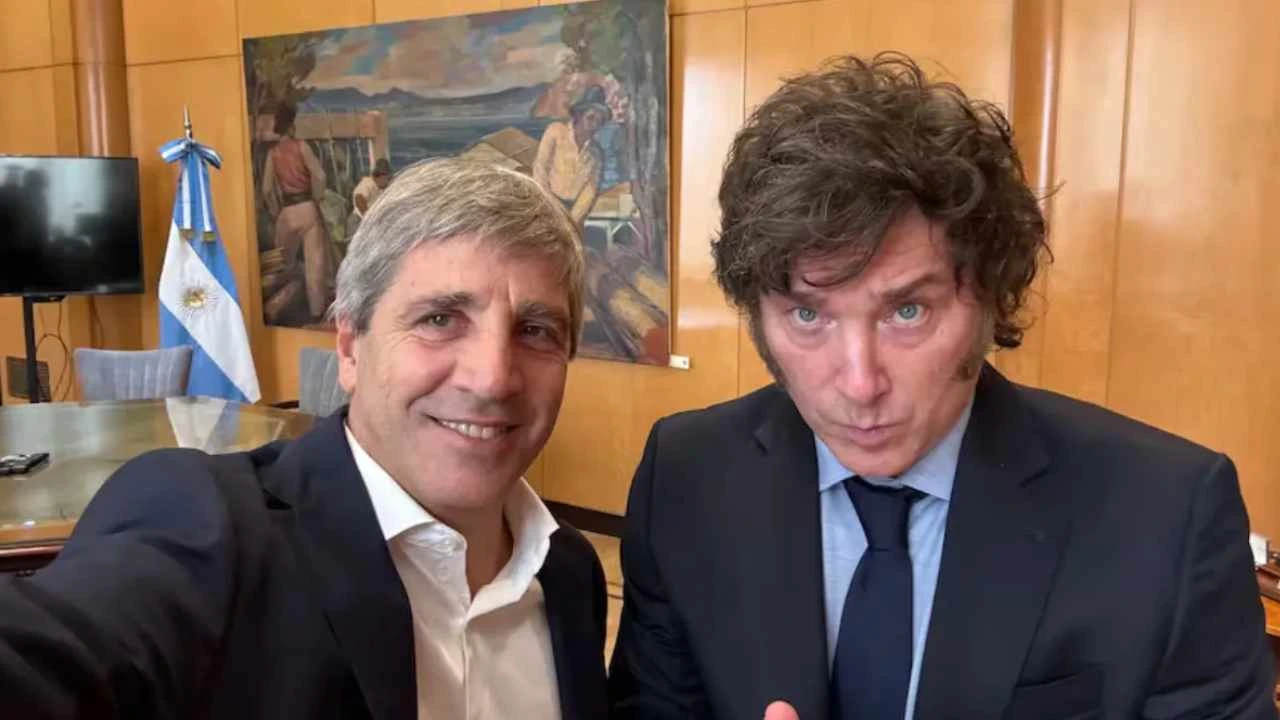
Through his social networks, he argued that exchange controls were “tools of control, looting and impoverishment” and remarked that, after their elimination, “the dollar did not soar”.Javier Milei and Luis Caputo.
Along these lines, he added: “The exit of the stocks was not a technical measure. It was a statement of principles. We gave Argentines back the right to decide on their own money. That is freedom. Not in the abstract, but in the facts.”
August showed a slight moderation with USD 2.448 million, but September marked the peak of the period with USD 5.13 billion, in a context of dollarization prior to the elections due to the “Kuka risk”. In October, the election month, the volume remained high at USD 4.731 million, while in November there was a drop to USD 1.597
million. President Javier Milei.
Towards the end of the year, demand picked up again: in December, $2,186 million were purchased by nearly 1.5 million people, and in January 2026, purchases reached $2,613 million, with 1.6 million buyers
.
Despite this significant volume of dollar purchases, the exchange rate showed a very low increase. In the retail segment, the dollar went from $1,233 to $1,380, representing an increase of 11.83%. In the wholesale market, the increase was 13.16%, rising from $1,200 to $1,358.
In contrast, cumulative inflation over the same period reached 32.61%, implying an appreciation of the peso of between 15% and 16%. This behavior reinforces one of the points highlighted by the Government: exchange rate stability even in a context of strong demand for foreign exchange