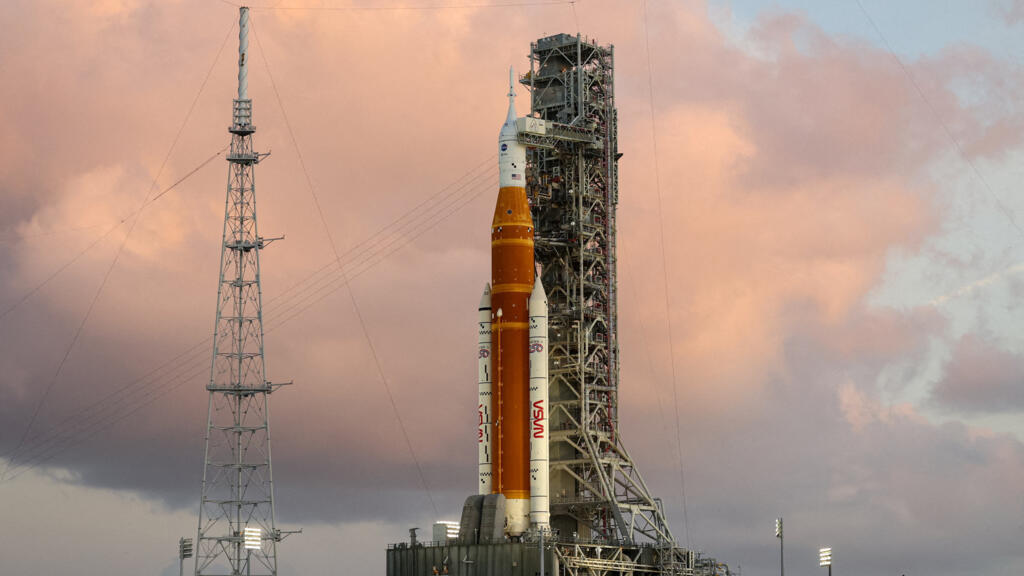
The Artemis II mission will mark a milestone in space exploration, bringing astronauts back to the Moon's vicinity for the first time in more than half a century. This manned test flight, powered by NASA, took off this April 1 at 7:34 PM and will run until April
6.
Artemis II will be a mission of approximately 10 days whose main objective is to test in depth the “Orion spacecraft”, designed for future deep space missions. The capsule will travel powered by the Space Takeoff System (SLS), the most powerful rocket developed by the agency, capable of carrying the ship at speeds close to 24,500 miles per hour (~40,000 kilometers/hour
).
The flight profile contemplates a complex trajectory that combines technical tests with a route around the Moon. After the launch, Orion will enter an elliptical orbit around the Earth. During this first phase, the crew will carry out a series of key checks, including life support, navigation and control systems, essential to ensure safety before leaving Earth orbit
. The Space Takeoff System can reach speeds of up to 40,000 kilometers per hour
Subsequently, the ship will perform several propulsion maneuvers to adjust its trajectory. The decisive moment will come with the so-called translunar injection, an ignition that will place Orion on a direct route to the Moon. From that point on, the mission will enter a deep space phase, partly replicating the trajectories used during the historic “Apollo Program”, although with modern technology and
more ambitious objectives.
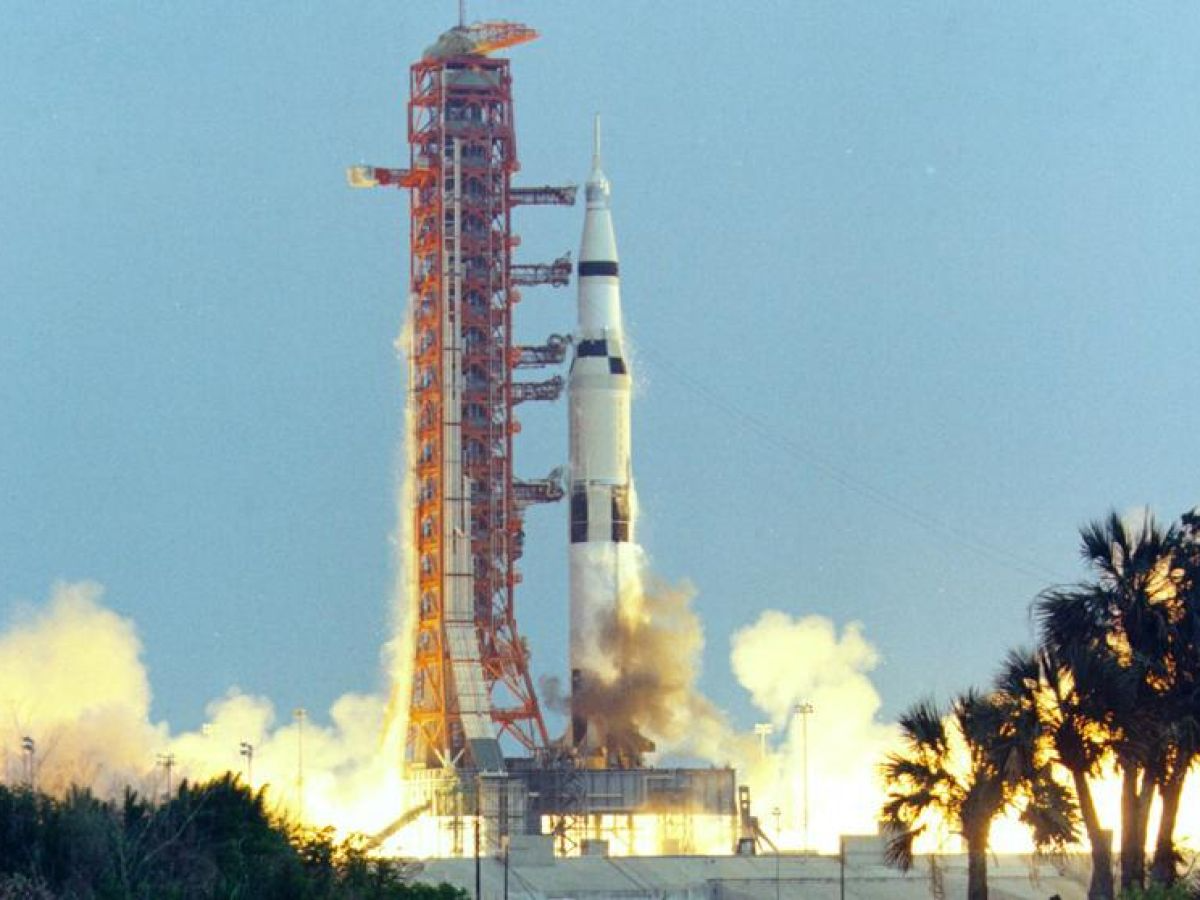
One of the highlights of “Artemis II” is the use of a “free return” trajectory. This type of route takes advantage of the gravity of the Earth and the Moon to ensure that the ship can return naturally to the planet, even in the face of failures in the propulsion systems. This concept was key to the Apollo 13 mission, and is once again being used as a security measure in this new phase of exploration
.
During its approach, Orion will not enter lunar orbit, but will perform a distant flyby,passing between 4,000 and 6,000 miles above the surface, especially on the far side of the Moon. This point in the journey could set a new record as the longest distance reached by human beings from Earth, surpassing the mark achieved by Apollo 13.
“Artemis II” will overcome the distance reached by the historic space flight made by the “Apollo 13" mission
Along the route, the four astronauts on board will evaluate the performance of all the ship's systems under real deep space conditions. The elements under test include propulsion, flight controls and life support systems, essential for future missions that will seek to land again.
After completing the lunar flyby, the ship will begin its return following the same free return trajectory. In this final stage, additional tests will be carried out before re-entry into Earth's atmosphere. The capsule will decelerate using atmospheric friction and then deploy parachutes to land safely in the ocean.
“Artemis II” represents a decisive step within the “Artemis” program, whose objective is to establish a sustained presence on the Moon and lay the foundations for future manned missions to Mars. With this mission, NASA not only seeks to validate new technologies, but also to open a new era in human exploration of deep space
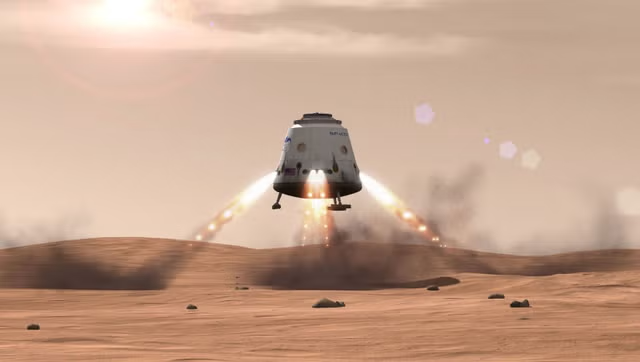
. The mission will serve as a pre-stage for future space missions, including the arrival to Mars