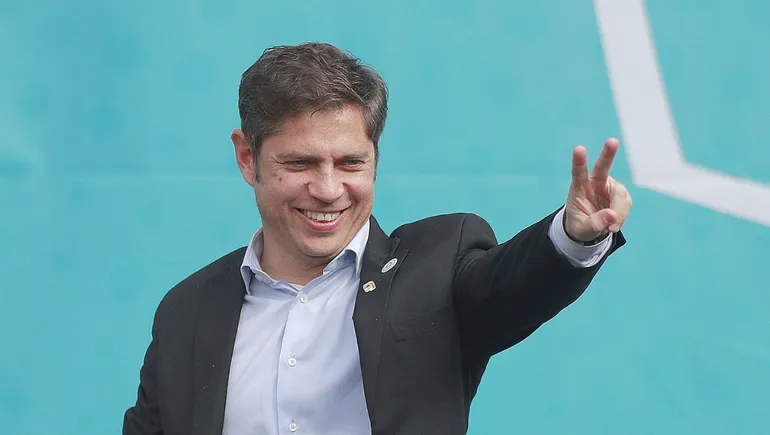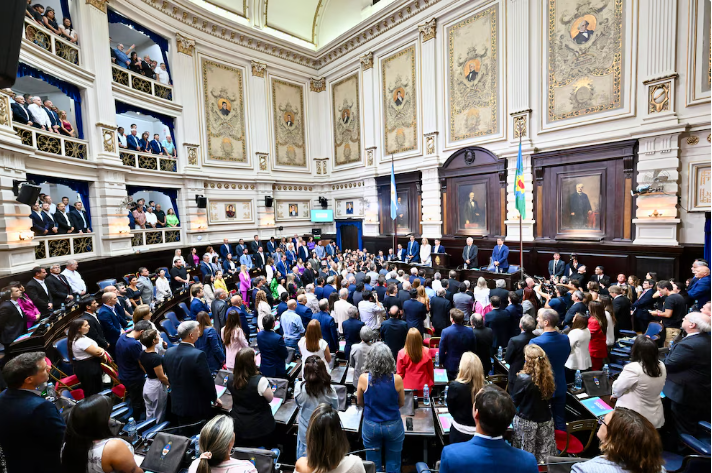

In politics, sometimes a single sentence sums up years of management. And that was exactly what happened when Axel Kicillof, at the opening of regular sessions of the Buenos Aires Legislature, released a statement that generated astonishment: “While the provincial State leaves, we continue to take care of the health of our people.” The phrase did not come from an opposition leader or a libertarian official, but from the governor of the Province of Buenos Aires himself, who has led the provincial state since December 2019. In other words, the same State that, in his words, “leaves”
.The passage came in a speech marked by an electoral tone and one of confrontation with the national government. In that same speech, Kicillof stated that “building an alternative requires much more than saying 'no to Milei'”, in direct reference to President Javier Milei, and tried to position himself as the articulator of a productive and federal proposal in the face of the economic crisis. However, it was that phrase that ended up overshadowing the rest of the message
.If the “provincial state leaves”, as Kicillof argued, political responsibility inevitably lies with whoever leads it. It is not an alien structure or an inherited management without control: it is its own government
.In the same speech, the Buenos Aires president sought to hold the National Executive responsible for the provincial situation and said: “We are faced with a National Government that cuts transfers to the provinces, that paralyzes strategic public works in all regions of the country, a national government that centralizes fiscal decisions and that links with the provinces through extortion.”
Healso summoned the opposition, stating: “It cannot be that each sector or province is left alone negotiating crumbs or managing the fall. All of us who don't want a broken society, a failed country, an Argentina with few winners and a lot of losers, we have