More costs for companies tend to translate into fewer opportunities. Faced with this scenario, platforms could reduce the number of active deliverers, limit the entry of new workers, or shift those costs to higher prices for users





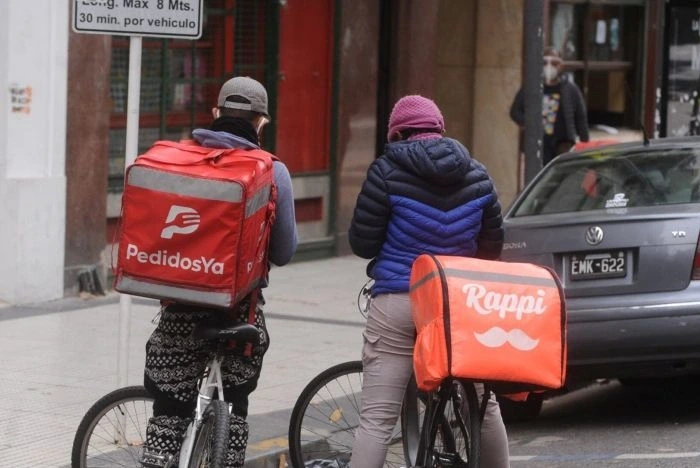

The court decision raises costs and puts thousands of jobs at risk.
More costs for companies tend to translate into fewer opportunities. Faced with this scenario, platforms could reduce the number of active deliverers, limit the entry of new workers, or shift those costs to higher prices for users





A ruling by the Supreme Court of the Province of Buenos Aires jeopardizes the delivery platform model and threatens to affect the work of thousands of delivery people. The judicial decision, aligned with the position of the Axel Kicillof government, supported sanctions against companies such as Rappi and PedidosYa and consolidates regulatory progress that could
completely stop the work of platforms.The case originated from inspections by the Buenos Aires Ministry of Labor, which detected alleged “labor breaches” in these companies. The firms questioned both the minutes and the sanctions, but the Court rejected their arguments and ended up validating the procedures and the conclusions of the inspectors
.
The ruling recognizes the capacity of the provincial State to oversee and, in fact, to advance the qualification of the employment relationship. Under this criterion, the activity of delivery people meets typical conditions of formal employment, which opens the door to requiring their registration under
traditional labor schemes.This involves a profound change. Platforms may be forced to register delivery people, pay social security, take out insurance and comply with all current labor regulations. In a model that works on flexibility and variable costs, the impact would be immediate.
For thousands of people, these applications represent an accessible source of income, with no barriers to entry and with flexible schedules. This scheme, which allowed many to generate income in difficult contexts, is precisely the one that comes under pressure with this type of failure
.
Behind the judicial decision is the interventionist model that drives Axel Kicillof's management. Under this logic, the State is moving towards more flexible labor schemes to force them to fit into highly regulated structures, even when this implies discouraging the generation
of new job opportunities.If this path is consolidated, the impact could be direct on employment: thousands of delivery people would be left out of the system or their opportunities would be reduced, in many cases losing their only source of income.