
Lula's government loses popular support as inflation rises.
Nuevo
Agregar La Derecha Diario en
Compartir:
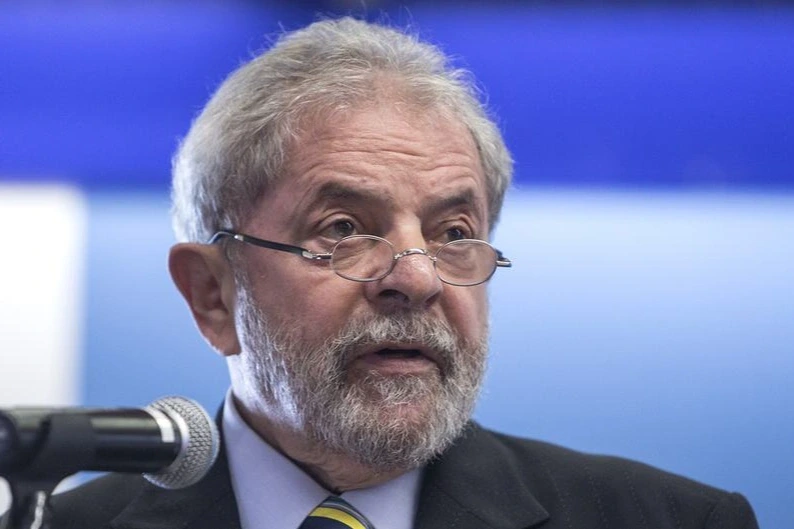
Brazil is going through a complex economic scenario that is beginning to have a direct impact on the political stability of the communist government Luiz Inácio Lula da Silva.
In recent months, the sustained increase in prices, especially for food and basic services, has deteriorated the purchasing power of large sectors of the population, generating social unrest and questioning of the current administration.
Despite the fact that the ruling party highlights some positive indicators in terms of growth and employment, several analysts warn that inflation remains one of the main unresolved challenges.
This phenomenon affects the most vulnerable sectors most strongly, whose consumption capacity is reduced in a context where incomes are unable to keep up with rising prices.

President Lula da Silva with Alberto Fernández and Cristina Kirshner
At the political level, the economic situation is beginning to be reflected in a loss of support for the government. Opposition sectors have intensified their criticism, pointing out the lack of a clear plan to contain inflation and revive the economy in a sustained manner. They also question the increase in public spending and warn of possible future fiscal imbalances
.
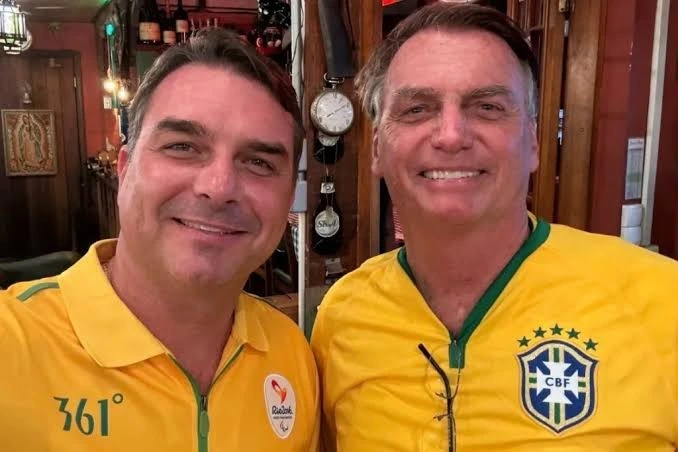
In addition, the Brazilian general elections are approaching with polls showing growing support for the opposition candidate Flávio Bolsonaro, son of former president Jair Bolsonaro, who could win the elections by more than 50% of the popular vote.
Flávio Bolsonaro with Jair Bolsonaro
The Lula da Silva government, for its part, has defended its economic strategy, arguing that the measures implemented seek to protect the hardest hit sectors and sustain activity in an adverse international context. However, these policies have also raised concerns in some business sectors, which demand greater predictability and clearer signals for investment
.
In this scenario, Brazil faces a crossroads: maintaining the current course destined for political and economic failure or allowing a new government to introduce adjustments to stabilize the economy in the short term. The ability of the governing party after the elections to balance these demands will be key to defining its political future
.
Meanwhile, social and economic pressure continues to increase, shaping an uncertain landscape in which Lula da Silva's administration is increasingly exposed to public scrutiny and to the tensions typical of a country that seeks to regain stability in the midst of a challenging context.