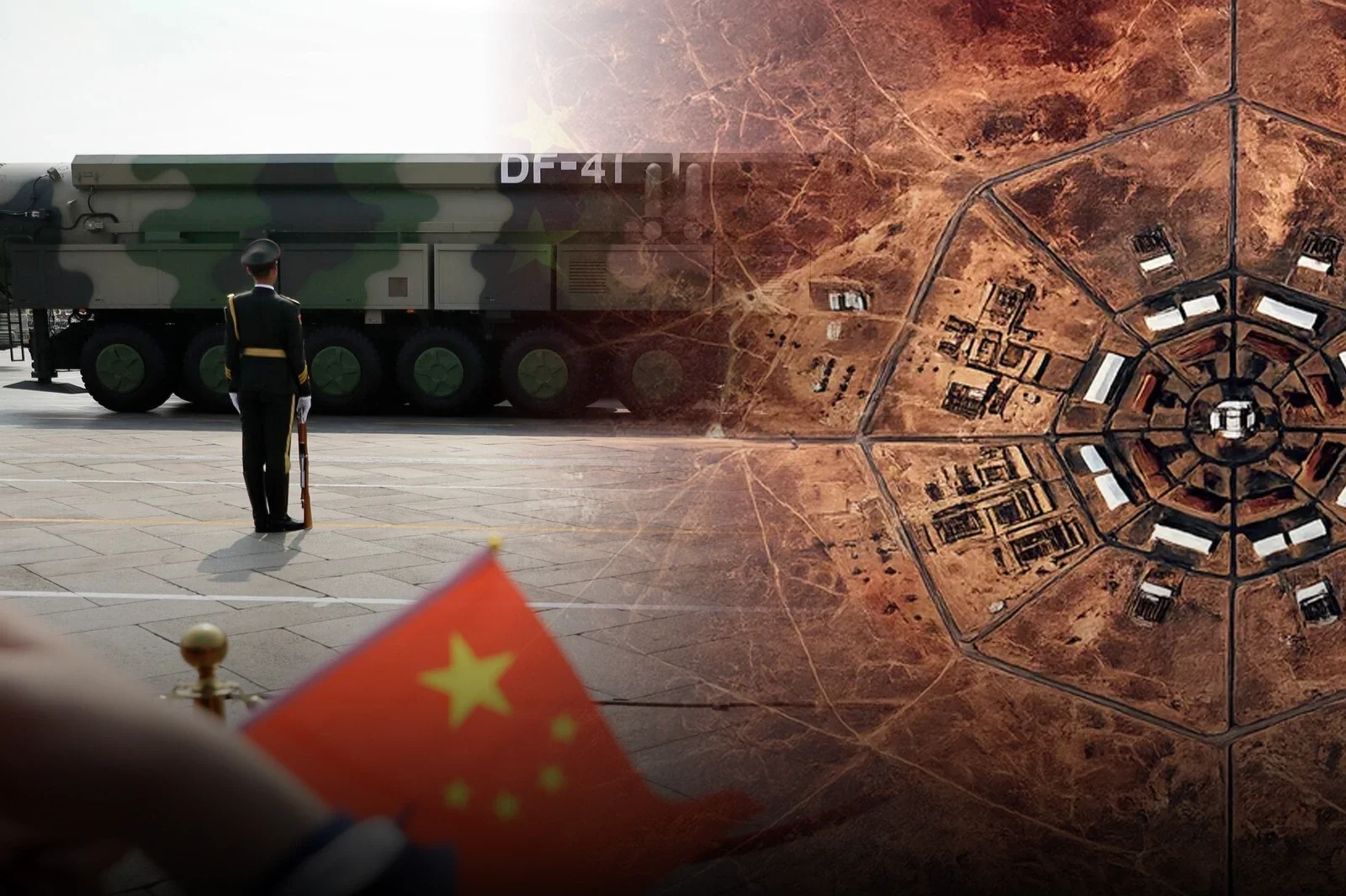
Chinese nuclear forces already have the capability to reach any city in the continental United States with intercontinental ballistic missiles. However, specialists believe that the new constructions aim to address a fundamental concern for Chinese military strategists: ensuring that their weapons survive a potential preemptive strike and can be used in response.
The images also show recent military activity around some of the facilities. During April and May, movements of heavy vehicles, temporary structures, and positions that could be used to conceal mobile launchers or air defense systems were observed. The presence of these activities suggests that part of the infrastructure may already be in use for operational exercises.
A vast military infrastructure is emerging in a remote desert region of northwestern China, in what security experts consider one of the most ambitious nuclear strengthening projects undertaken by Beijing in recent decades.
Satellite images analyzed by Reuters show dozens of launch platforms, fortified bunkers, communication centers, and new military facilities built near the silo fields that house some of the country's longest-range nuclear missiles.
The complex is located in the vicinity of the Hami silo field, a strategic facility located in the Xinjiang region that is part of the core of China's land-based nuclear forces. According to several analysts consulted, the scale and distribution of the new constructions suggest that China is developing a sophisticated defensive network aimed at ensuring the survival of its nuclear arsenal and preserving its retaliatory capability against any enemy attack.
The satellite images reveal more than 80 launch platforms scattered across thousands of square kilometers of arid land. Experts believe these facilities could be used to deploy mobile intercontinental ballistic missile systems, air defense batteries, and specialized electronic warfare equipment.
Xi Jinping's regime has built a network of military facilities aimed at ensuring the survival of China's nuclear arsenal.
The infrastructure also includes extensive networks of roads, underground conduits, and command centers that appear designed to keep strategic forces operational even in high-intensity conflict scenarios.
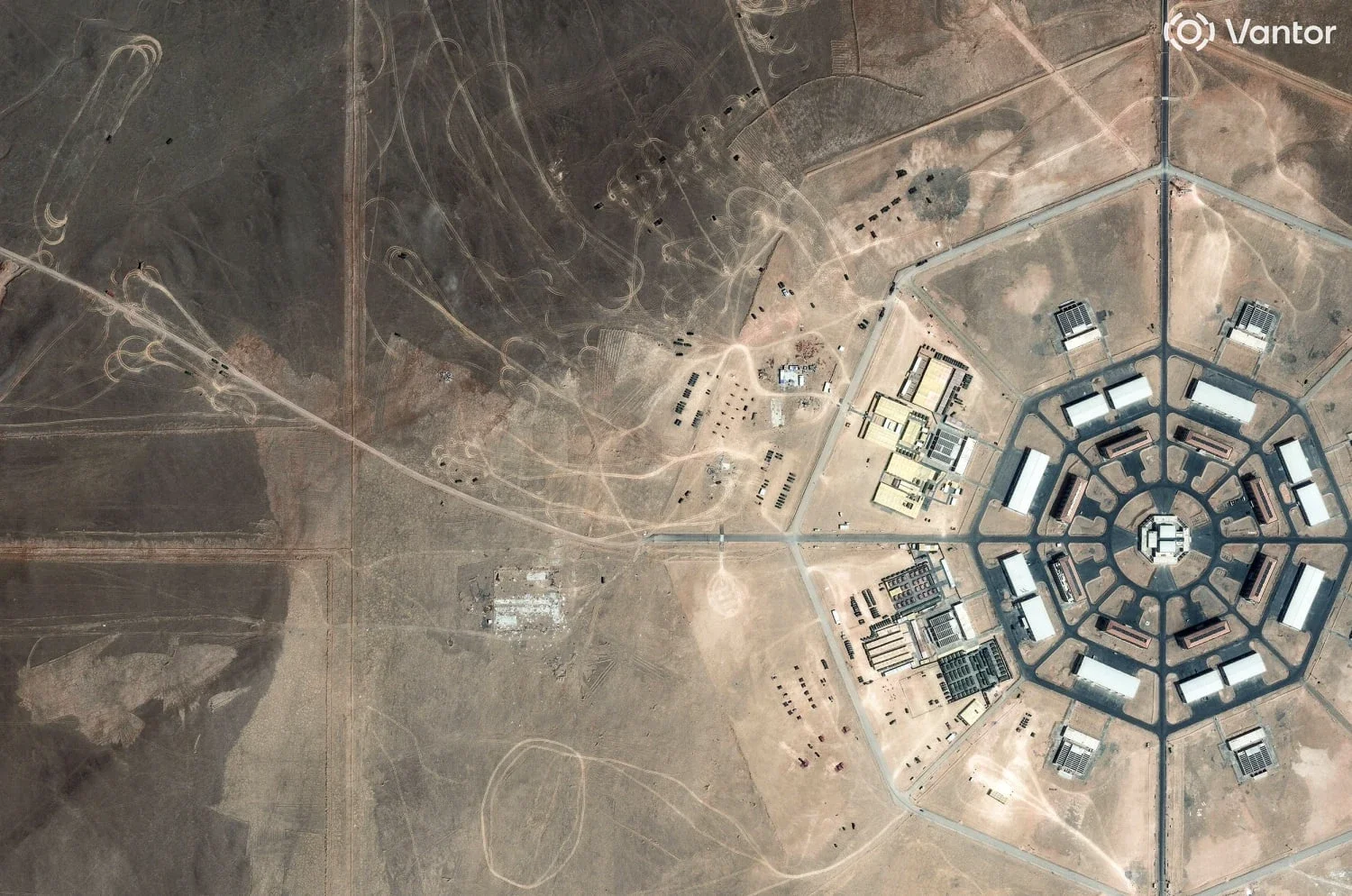
One of the most striking elements identified in the photographs is three octagonal complexes built in recent years. Two of them are located relatively close to the Hami silo fields and are connected by roads, rail lines, and other logistical facilities. The third, situated further south near the former nuclear test facilities at Lop Nur, appears to function as a training ground or military testing area.
The octagonal structures feature buildings for personnel, protected storage areas, armored shelters, and spaces capable of housing heavy military vehicles. According to analysts, the layout of these facilities indicates that they could serve functions related to command and control of strategic operations, storage of sensitive equipment, or coordination of defensive systems aimed at protecting the nuclear silos.
Several complexes with an octagonal shape have been photographed, believed to be infrastructure intended for the storage of nuclear equipment and safeguarding, among other activities.
The construction of this network comes at a time of increasing rivalry between China and the United States. Although Beijing officially maintains a "no first use" policy regarding nuclear weapons, meaning it would not initiate a nuclear attack, the rapid expansion of its strategic capabilities has raised concerns in Washington and among numerous Western experts.
Another aspect highlighted by specialists is the possible existence of advanced communication systems. In one of the facilities, satellite dishes and large towers can be seen, which could be part of a network designed to ensure secure links between the various nuclear units and command centers. Some experts believe that the visible conduits on the ground could house fiber optic cables protected against interference or attacks.
The discovery of these facilities has raised great concern in the United States and other Western allies.
Researchers specializing in nuclear policy noted that there is a real possibility that the octagonal structures are linked to command, control, and communications functions related to Chinese nuclear operations. These capabilities are considered essential for any power seeking to maintain a credible retaliatory force.
The military expansion also occurs as China continues to develop early warning systems to detect enemy missile launches. According to Pentagon estimates, the Huoyan-1 satellite network allows for the identification of an intercontinental ballistic missile just seconds after its launch and transmits the information to command centers within minutes. That margin could be sufficient to order a response before their own facilities are hit.
U.S. officials and arms control experts argue that China is expanding its nuclear capabilities at a pace faster than any other power. The most recent report from the U.S. Department of Defense estimates that Beijing could have around 1,000 nuclear warheads by 2030. It also estimates that it has already deployed approximately a hundred intercontinental ballistic missiles in its main silo fields.
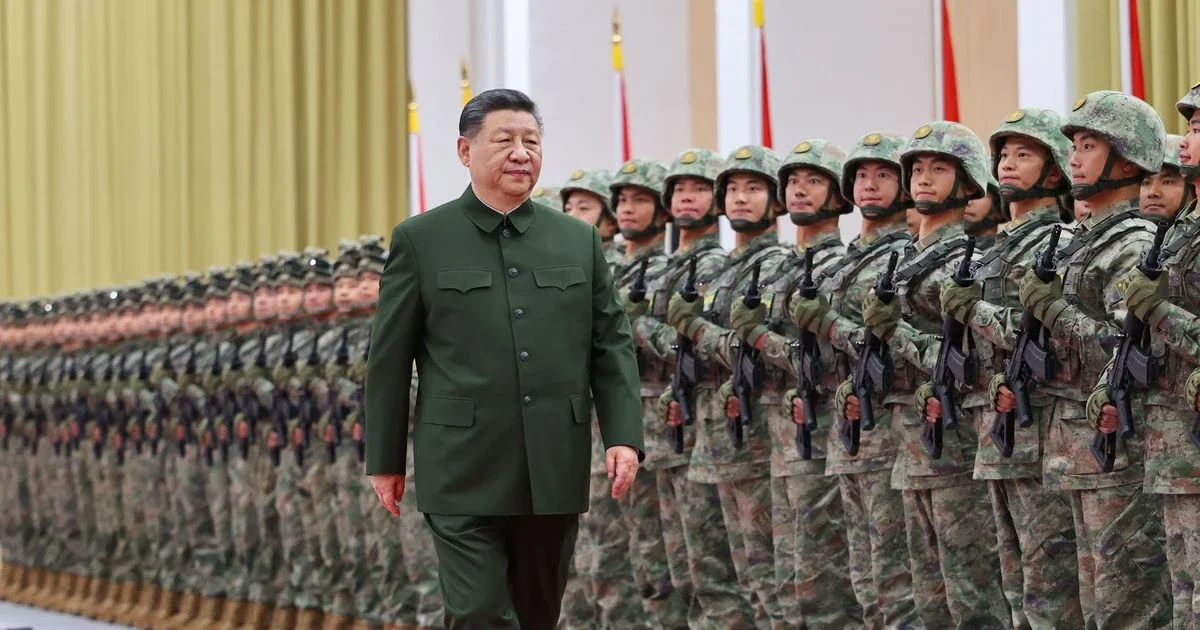
On the other hand, Xi Jinping's communist regime continues to develop sophisticated military defense systems.
Despite the increasing international attention, many questions remain unanswered. Analysts acknowledge that it is still not possible to determine with certainty what specific systems will be deployed across all the observed platforms or what the exact role of each facility will be within China's strategic architecture.
What seems clear is that the enormous project taking shape in the deserts of Xinjiang represents an important step in the transformation of China's nuclear forces. For many experts, the scale of the works is a signal that Beijing seeks to significantly enhance the survivability of its arsenal in an increasingly competitive international context marked by strategic rivalry among great powers.