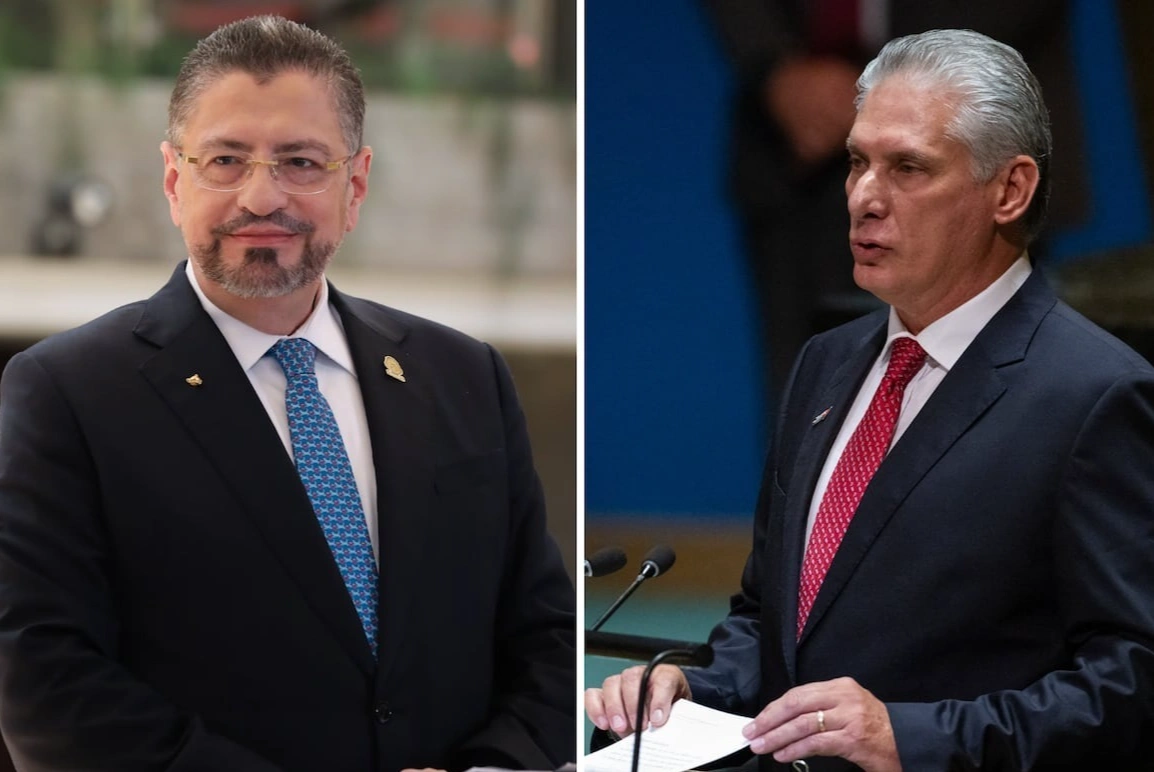
The Government of Costa Rica, headed by President Rodrigo Chaves, decided to close its embassy in Cuba, located in Havana, and to put an end to all types of diplomatic relations with the island's communist regime.
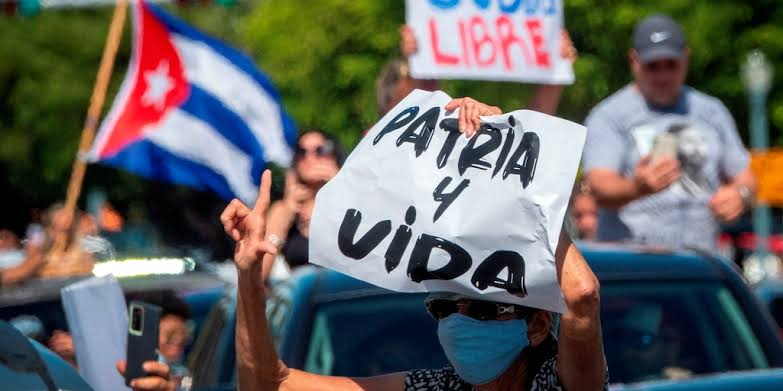
Among the reasons given by the Costa Rican administration are the repression exercised against demonstrators demanding democratic changes, as well as the repeated allegations of human rights violations that, according to the Government, are systematically registered in the Caribbean country.
Demonstration against the Cuban regime In parallel, the Executive requested that Cuba withdraw its diplomatic representation in San José.
The announcement was announced by Foreign Minister Arnoldo André Tinoco, who said he had the full support of the president and the entire cabinet. He also confirmed that, since February 5, the Costa Rican embassy in Cuba no longer had staff in office
.
As a result of this decision, the Government informed that Costa Rican citizens resident in Cuba must carry out their consular procedures through the diplomatic representation in Panama, a measure that seeks to guarantee the continuity of state assistance despite the rupture of relations.
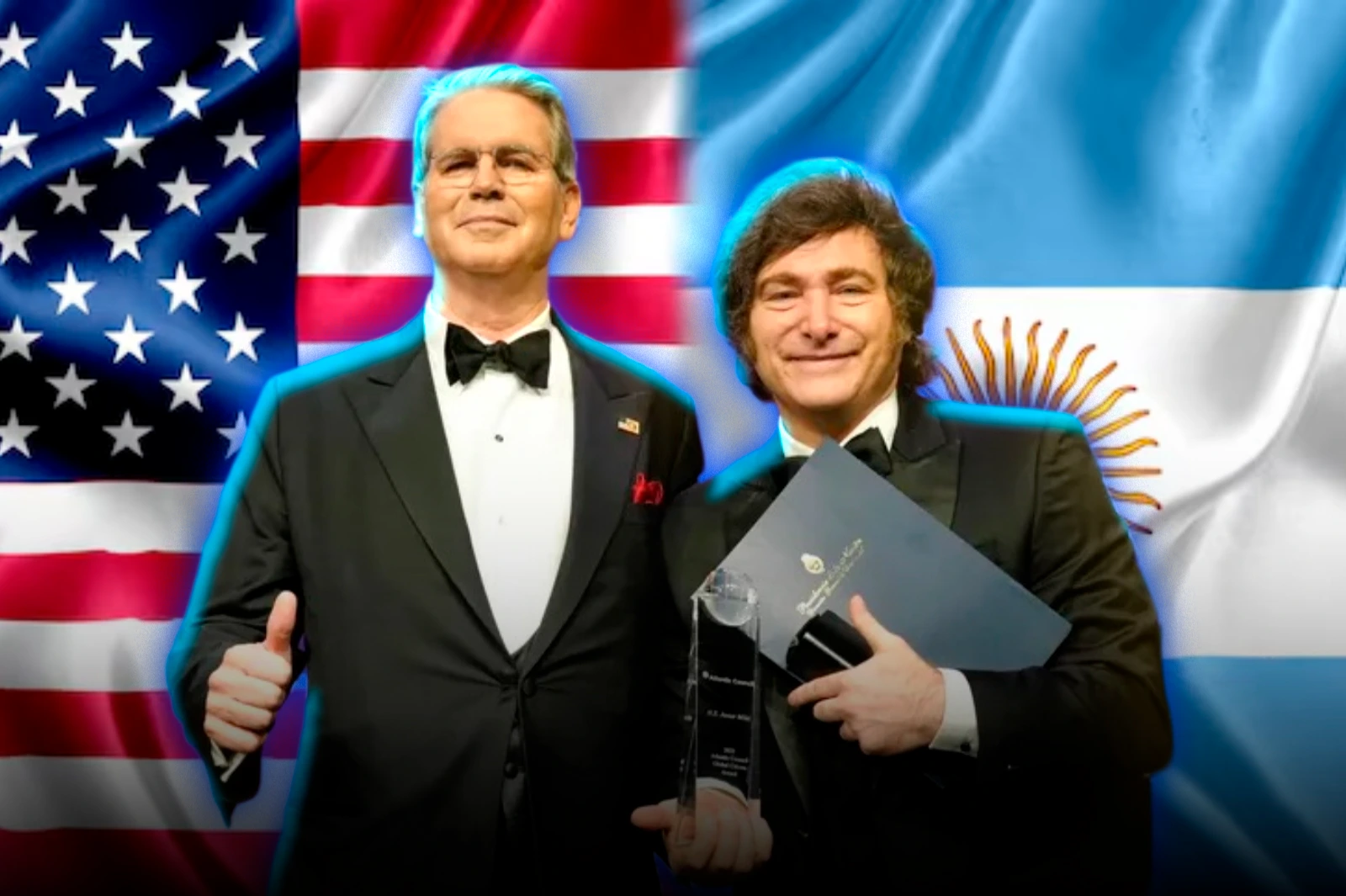
During the announcement, President Chaves argued, together with the United States ambassador, Melina Hildebrand, that his administration does not recognize the legitimacy of the Cuban political system, which he questioned because of the living conditions of its population and because of the restrictions on individual liberties.
Embassy of Costa Rica in Cuba
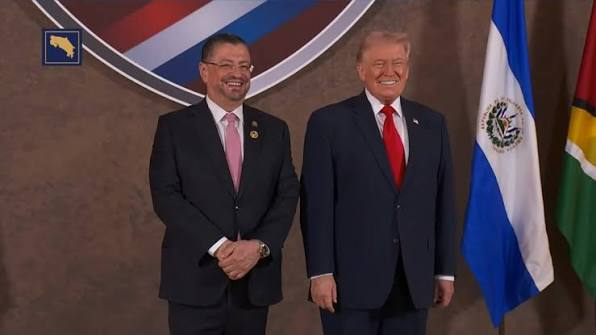
This position is part of a stronger line of Costa Rican foreign policy vis-a-vis authoritarian governments in the region. In this context, figures such as Donald Trump and Marco Rubio have held similar critiques of the Cuban regime, which they hold responsible for its economic inefficiency
and political structure.
Finally, the Costa Rican president described the Cuban model as a “failed” system, pointing out that it historically relied on the support of the Soviet Union and, more recently, on Venezuela to sustain itself. According to Chaves, this background reinforces his government's decision to distance itself from Havana