

In the midst of the worst economic and energy crisis Cuba has faced in decades, the regime of Miguel Díaz-Canel announced an ambitious package of 176 economic reforms aimed at introducing market mechanisms within the socialist system.
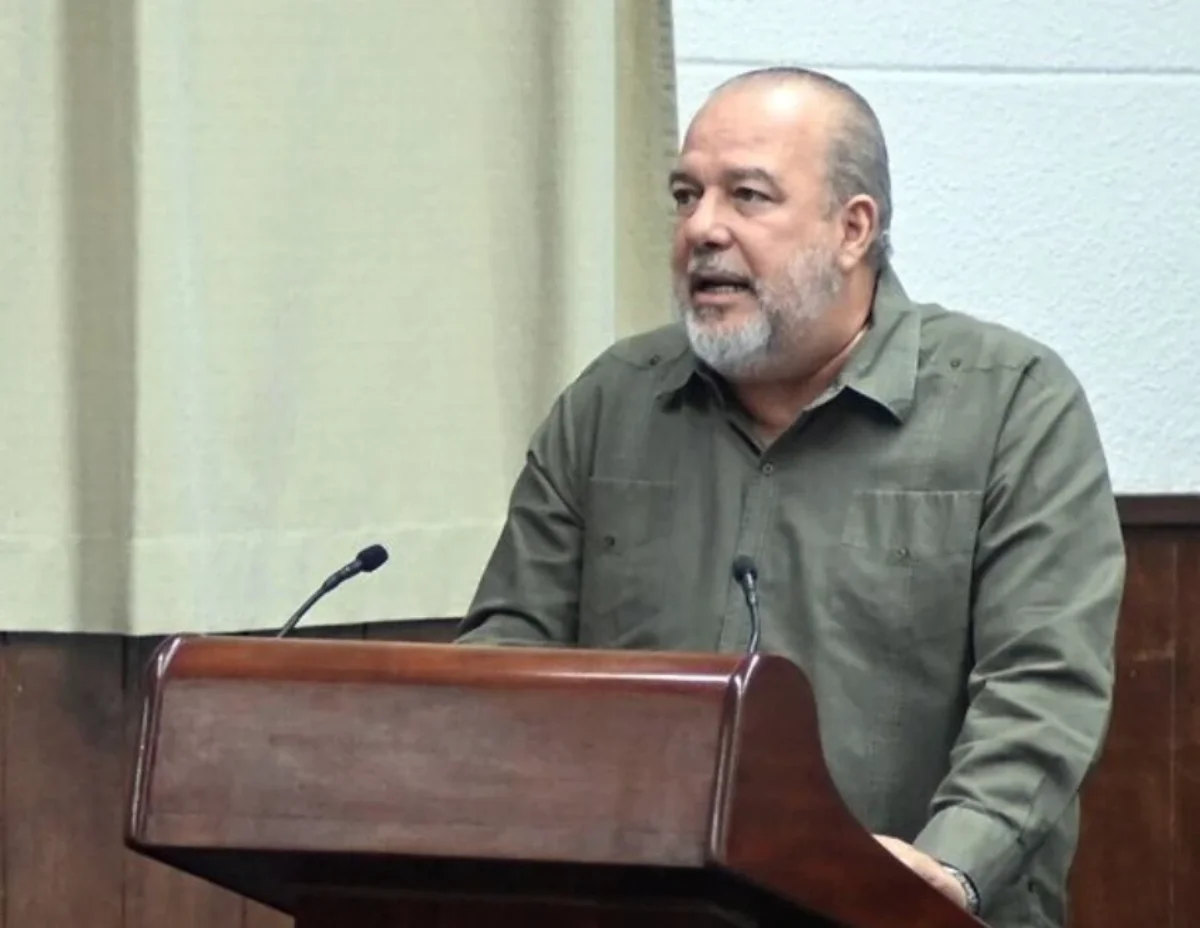
The initiative was presented by Prime Minister Manuel Marrero to the National Assembly and represents the most profound economic change driven by Havana since the triumph of the Revolution in 1959.
“Reality imposes urgent and necessary changes on us”, Díaz-Canel stated while defending the reform program.
The leader maintained that when the living conditions of the population deteriorate severely, the government's duty is not to explain the crisis but to modify what does not work.
Larger private companies and opening to foreign capital
Among the most relevant measures is the authorization for private companies to exceed the current limit of 100 employees, a restriction that has limited the growth of the entrepreneurial sector for years.
Additionally, the regime will allow for the first time that foreign capital invests directly in Cuban private companies, a possibility that until now was reserved exclusively for mixed companies controlled by the State.
It will also be made possible for the same person to own more than one private company, and the conditions for salary negotiations within companies will be relaxed.
Transformation of state-owned enterprises
Another of the most significant changes will be the conversion of numerous state-owned enterprises into joint-stock companies, a structure closer to the models used by China and Vietnam during their economic opening processes.
The measure aims to provide these companies with greater management autonomy and improve their operational efficiency in a context where a large part of the state productive apparatus accumulates chronic losses.
Agriculture, tourism, and banking among the benefited sectors
The reforms will reach some of the sectors most affected by the crisis.
Among the areas that will receive higher levels of opening are:
Agriculture