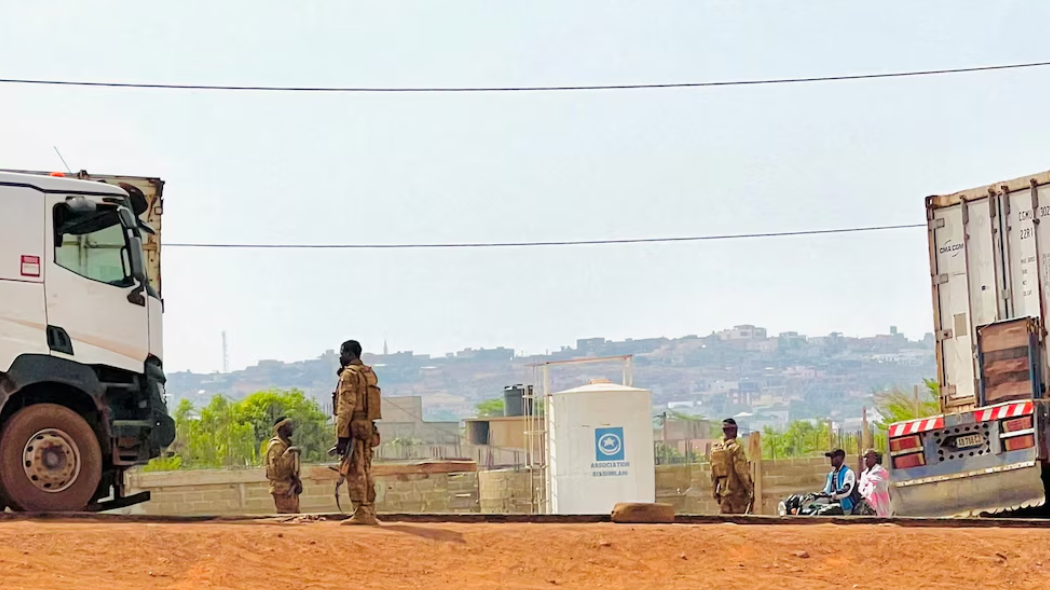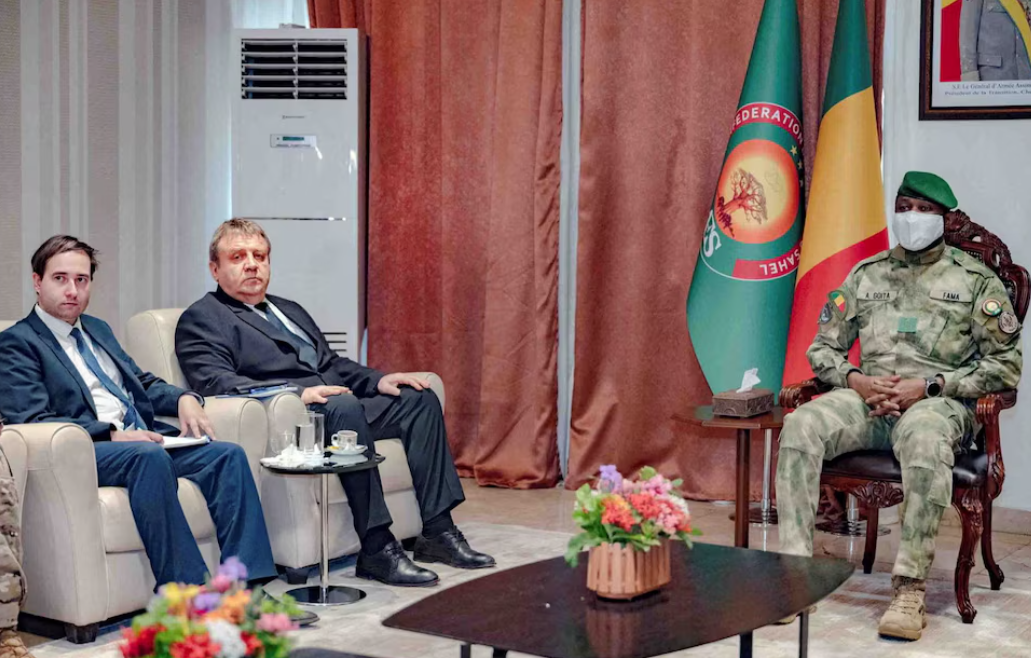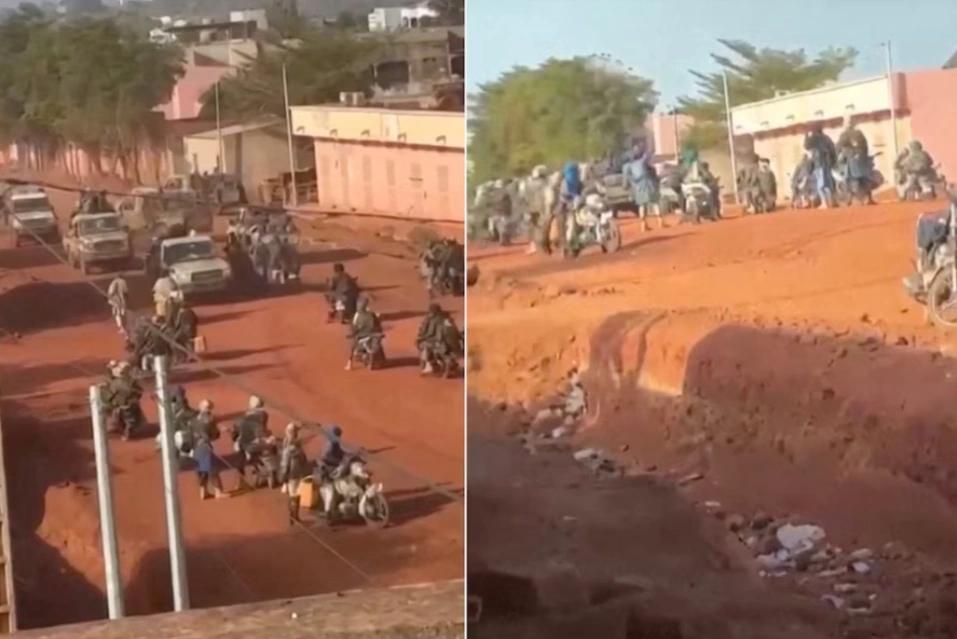

The Russian military presence in Africa is at its most critical moment after the fall of Kidal, a key city in northern Mali, which was taken over by an alliance of Tuareg rebels and jihadist groups linked to Al Qaeda. The episode represents the worst setback for Moscow on the continent since it decided to replace France as the main military partner of the Malian regime
.The attack, which occurred on April 25, forced Russian paramilitary forces to retreat in a disorderly manner in the face of the enemy advance, in what international analysts already describe as a “humiliation”. The defeat not only implies the loss of strategic territory, but also a severe blow to the image of Russia as a power capable of guaranteeing security in conflict zones.
Insurgents advance and hit the heart of power in Mali The crisis was not limited
to Kidal. In parallel, insurgent groups launched coordinated attacks in other regions, including a direct assault on a key military center in Kati, near
the capital Bamako.The impact was overwhelming: the Malian Defense Minister, Sadio Camara, the main architect of the link with Moscow, died in the attack, while the intelligence chief was seriously injured. In addition, jihadist groups declared a siege on the capital, creating a scenario of extreme fragility for
the Kremlin-allied government.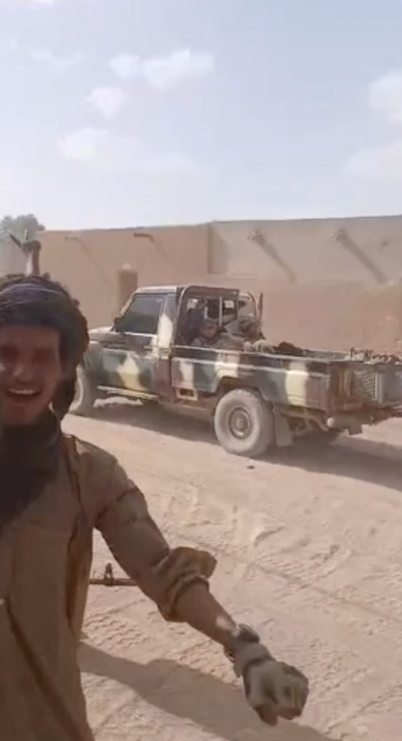
The possibility that strategic cities such as Timbuktu and Gao will also fall under insurgent control reinforces the perception that the Malian State is rapidly losing control of the territory
.The failure of the Russian model in Africa
The Russian deployment in Mali, first through the Wagner Group and then through the Africa Corps under the direct control of the Ministry of Defense, was aimed at consolidating Moscow's influence in the Sahel and displacing
the West.However, the results show the opposite:
Lack of intelligence and surveillance capabilities
Inadequate equipment for war in the desert