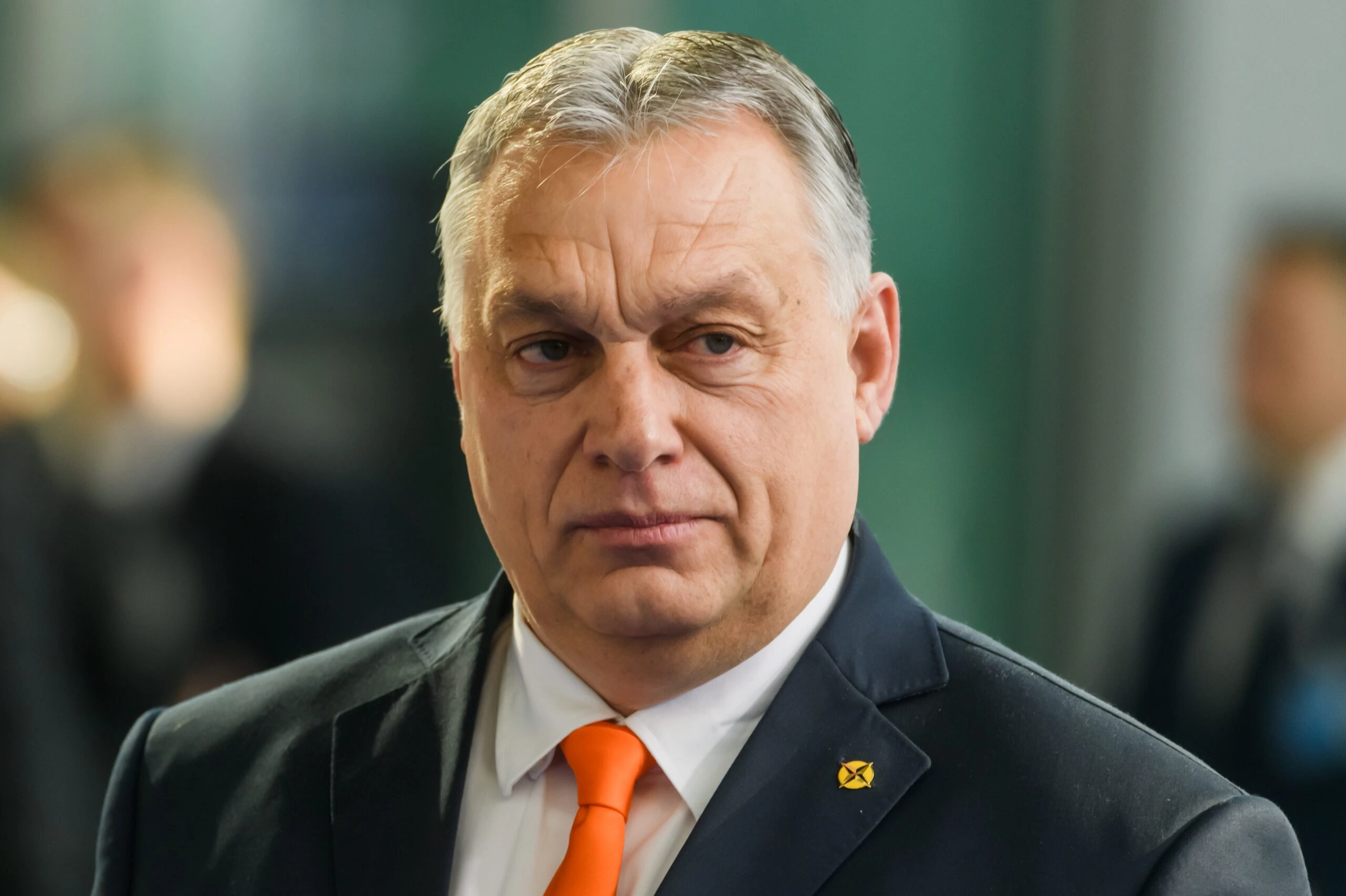
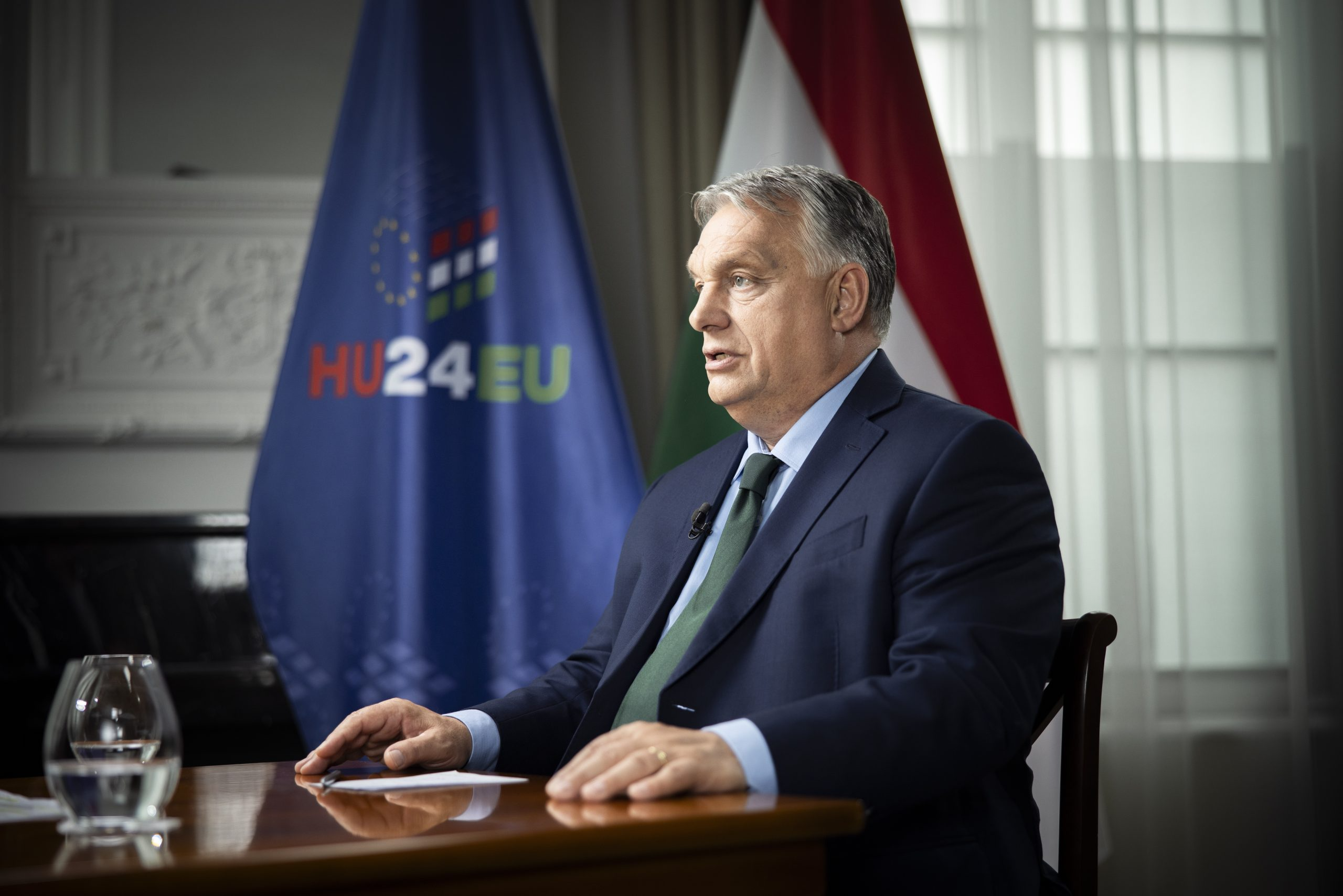
A few weeks before the parliamentary elections in Hungary, complaints began to emerge that point to Meta because of a possible restriction on the reach of Prime Minister Viktor Orbán's posts on Facebook, the social network with the highest penetration in the country.
The controversy occurs in a highly competitive electoral context, where the political battle is no longer being waged only on traditional terrain, but also in the digital ecosystem. In this scenario, any alteration in the visibility of the content can have a direct impact on public opinion
. Orbán's speech displeases the international left.
As it transpired, the supposed limitation of Orbán's content would have been preceded by a call from a member of the opposition Tisza Party, who also had previously worked at Meta, urging his followers to denounce the president's publications massively. This type of action, if coordinated, could activate automatic moderation mechanisms within the platform
.
At the same time, questions about the digital performance of opposition leader Péter Magyar also began to multiply. Various analyses indicate that their publications register disproportionately high levels of interaction in relation to the size of the country and the limited reach of the Hungarian language, raising doubts about the authenticity of this
growth.
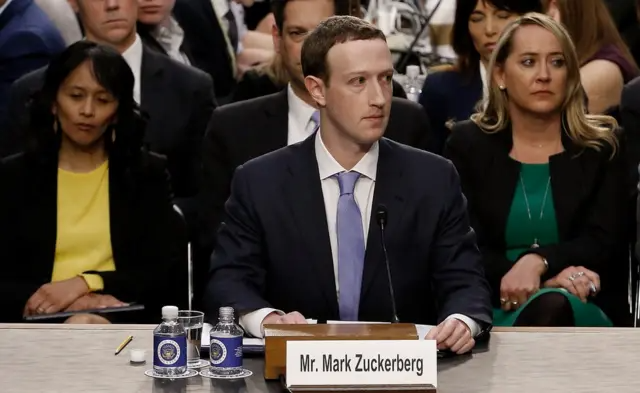
Added to this is the concern about possible biases within the platform's regional moderation. In recent months, some officials linked to Meta have publicly expressed positions aligned with prevailing narratives in the European Union, including critical positions towards
the Hungarian government. Mark Zuckerberg, owner of Meta.
In this context, the combination of possible restrictions on the ruling party and an unusual growth of opposition on social networks raises a fundamental question about the moderation of public debate in digital environments, especially in a campaign where online visibility can define the electoral result
.
In this scenario, the lack of neutrality on the part of big technology companies not only distorts political competition, but also jeopardizes the integrity of the democratic process, especially when the rules do not apply in the same way to all the actors involved.