According to linguist Ignasi-Xavier Adiego, also from the University of Barcelona, papyri found in mummies usually contain magical texts, making this discovery even more relevant.






Archaeologists found a mummy with a fragment of the Iliad inside the abdomen.
According to linguist Ignasi-Xavier Adiego, also from the University of Barcelona, papyri found in mummies usually contain magical texts, making this discovery even more relevant.





A team of archaeologists found a Roman-era mummy in Egypt that contained a fragment of Homer's Iliad inside its abdomen. The discovery was described as “exceptional” by researchers, according to a statement from the University of Barcelona.
The text was written in Greek on papyrus and includes part of Book 2 of the epic poem, which details the ships used in the Trojan War. The document would have been placed during the mummification process
.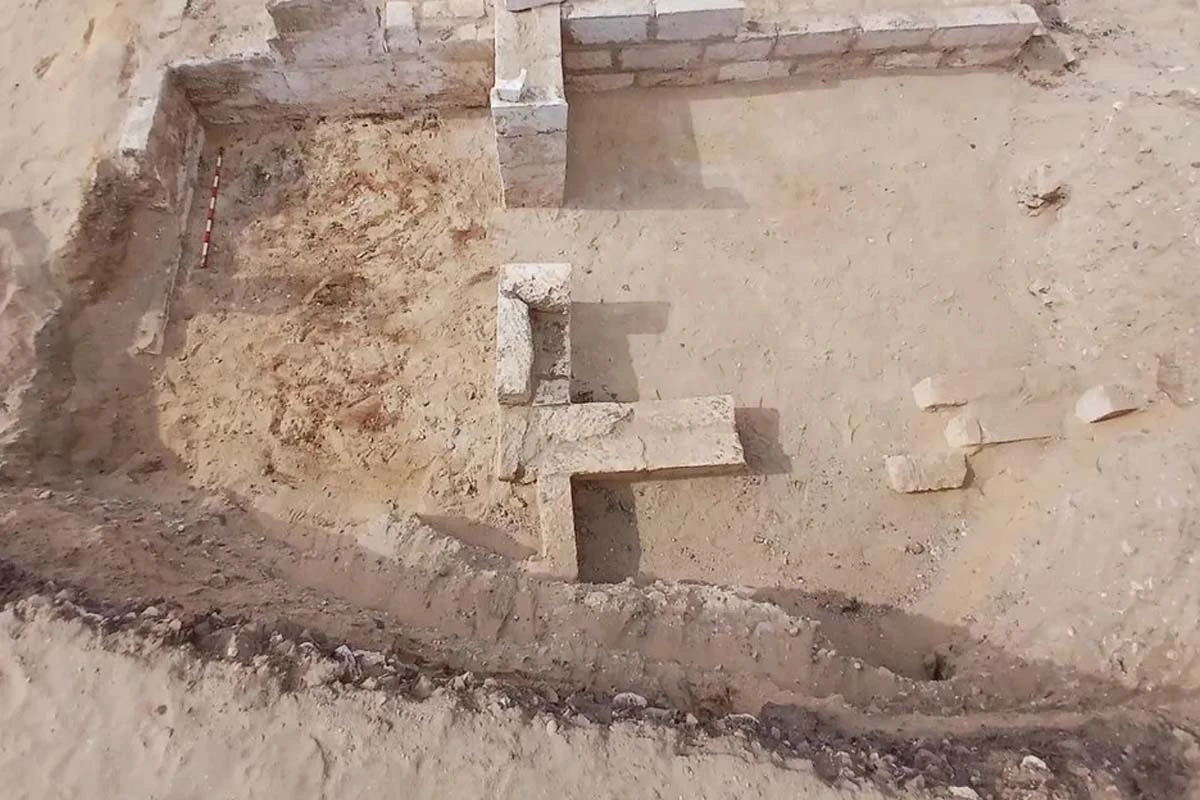
This archaeological site has been excavated for more than a century and has already recovered nearly 500,000 papyrus fragments
.The mummy corresponds to an adult man who lived during the period when the Roman Empire controlled Egypt, between 30 BC and 641 AD, researchers Esther Pons Mellado and Maite Mascort told Live Science.
Specialists explained that during Roman rule it was common to include papyri inside mummies, usually on the chest
or abdomen.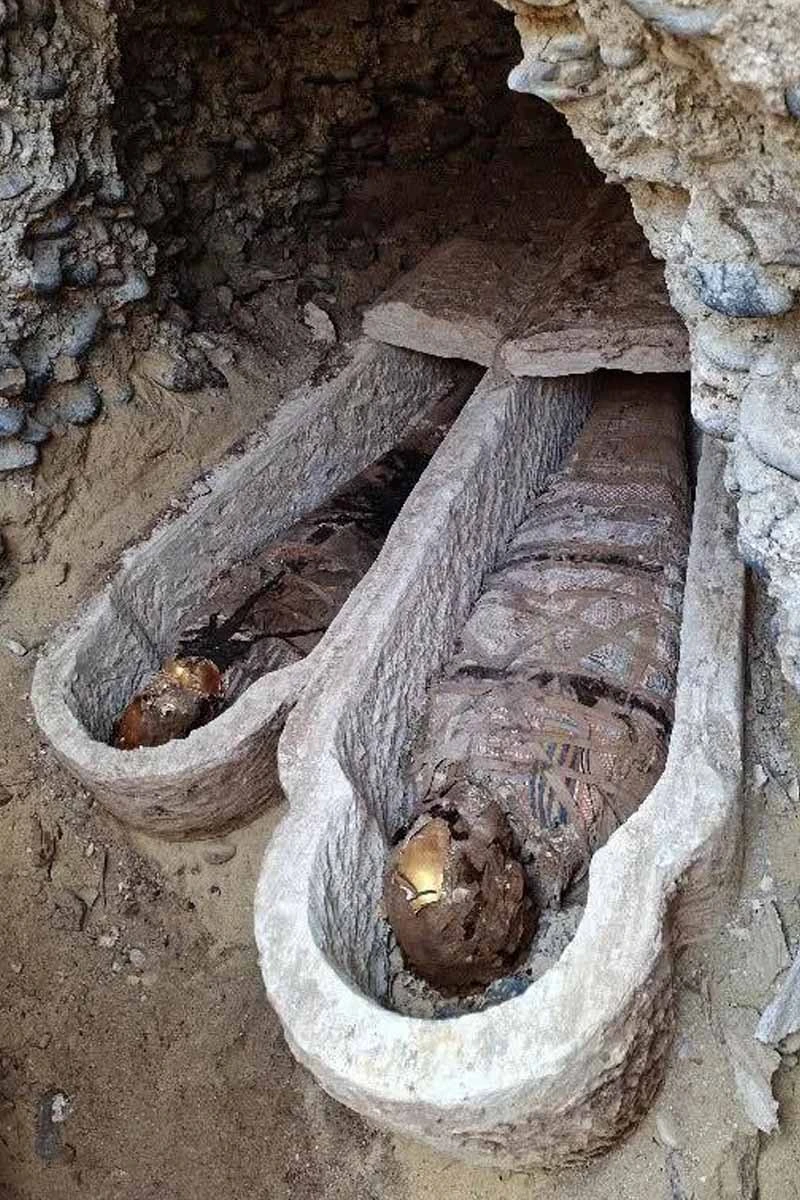
In this case, the text would have been used for a funerary purpose: to protect the deceased in the afterlife. However, the researchers noted that it is not clear why these writings were believed to fulfill that function
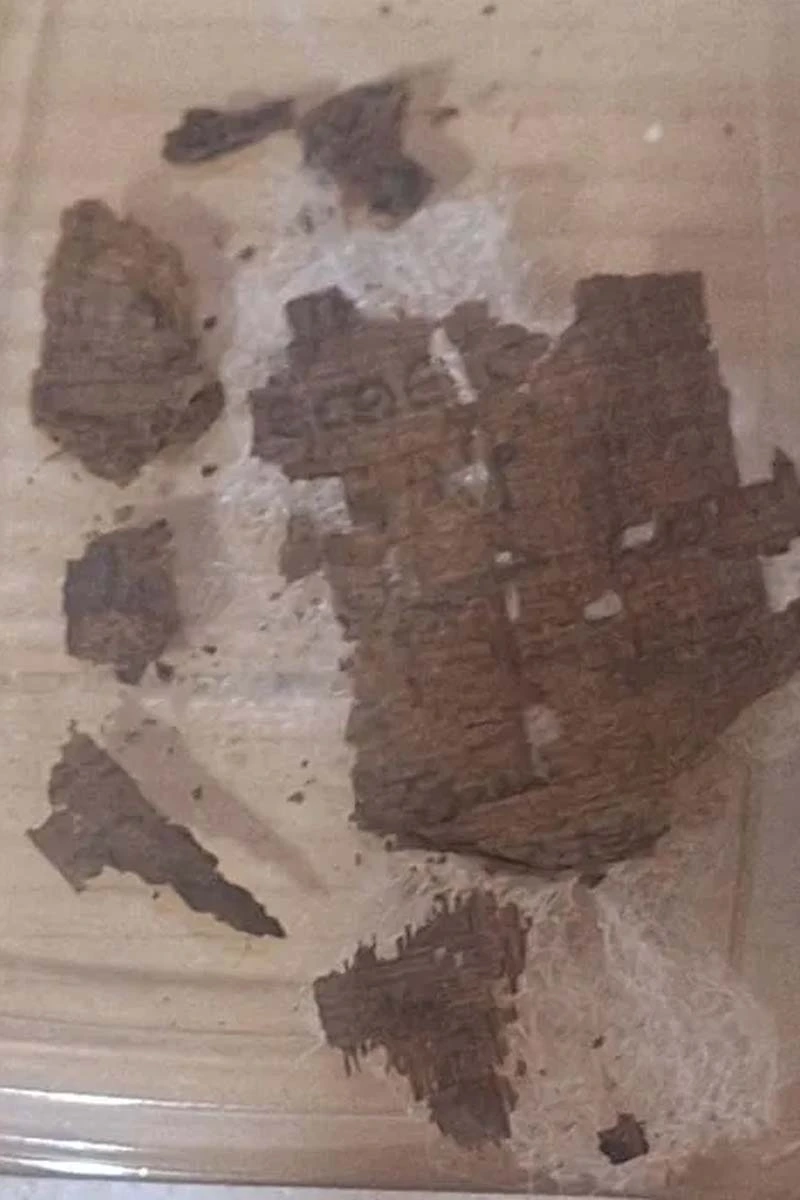
scientific team, this is the first time that a Greek literary text has been found intentionally incorporated into a mummification
process.The value of the find lies in its funerary context, since although numerous Greek texts were found in Oxyrhynchus, never before had one been recorded inside the body of a mummy.
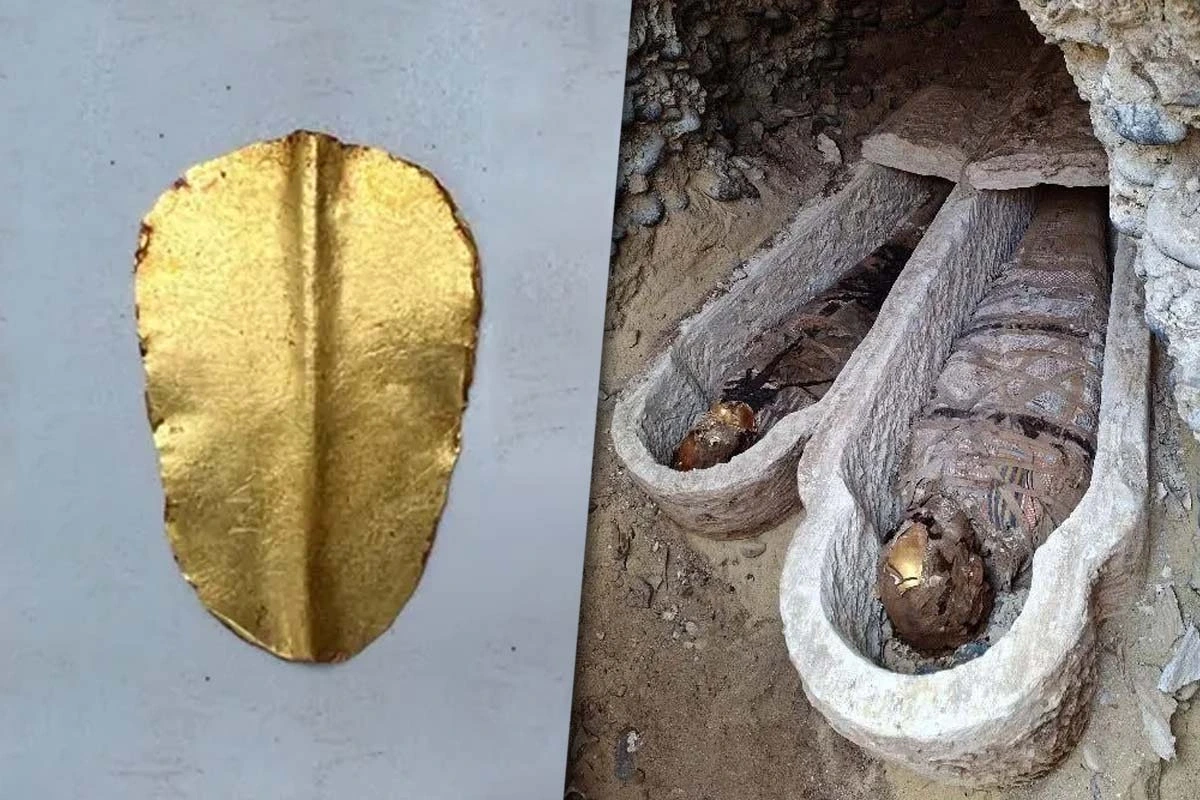
During the same archaeological campaign, carried out between November and December 2025, mummies with gold tongues and a copper tongues were also identified
.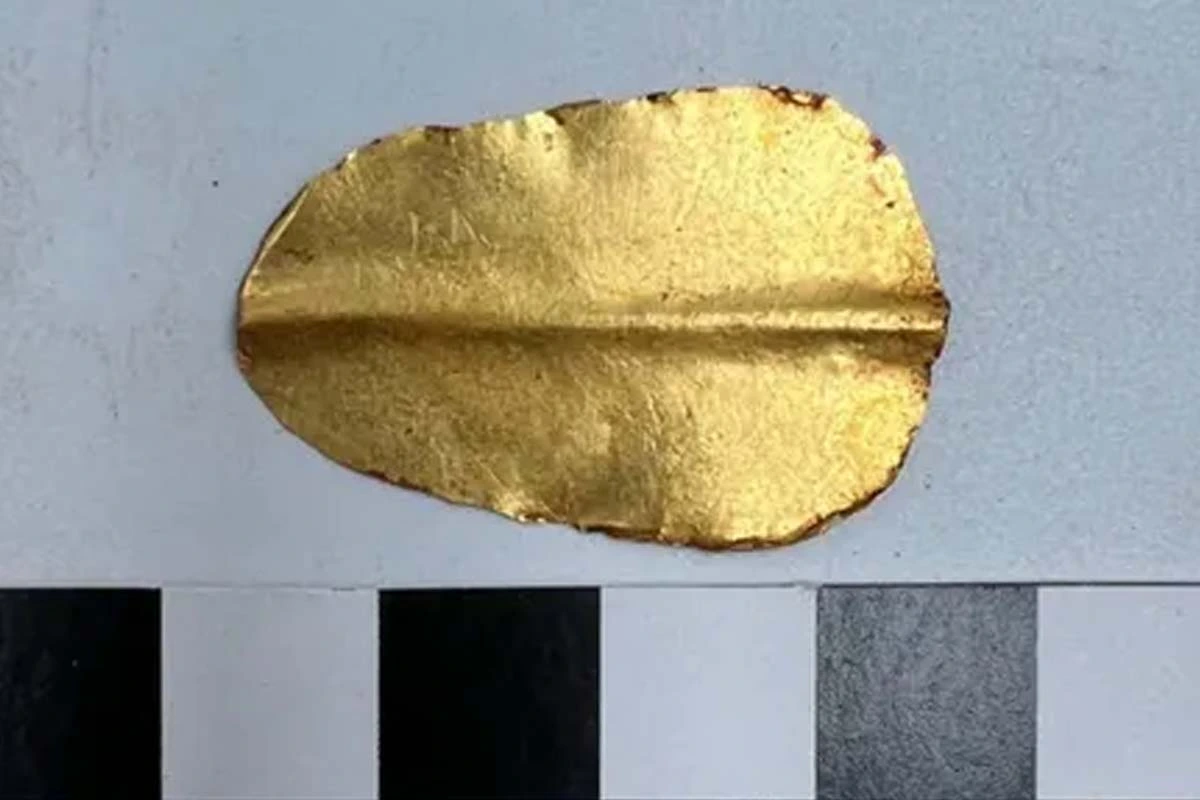
According to the Egyptian Ministry of Tourism and Antiquities, these pieces were associated with the belief that they allowed the dead to communicate in the afterlife. Gold symbolized the flesh of the gods, while the use of copper in one of the cases still has no confirmed explanation
.The researchers indicated that the study of the mummy with the Iliad papyrus is ongoing and that there are still aspects to be determined.