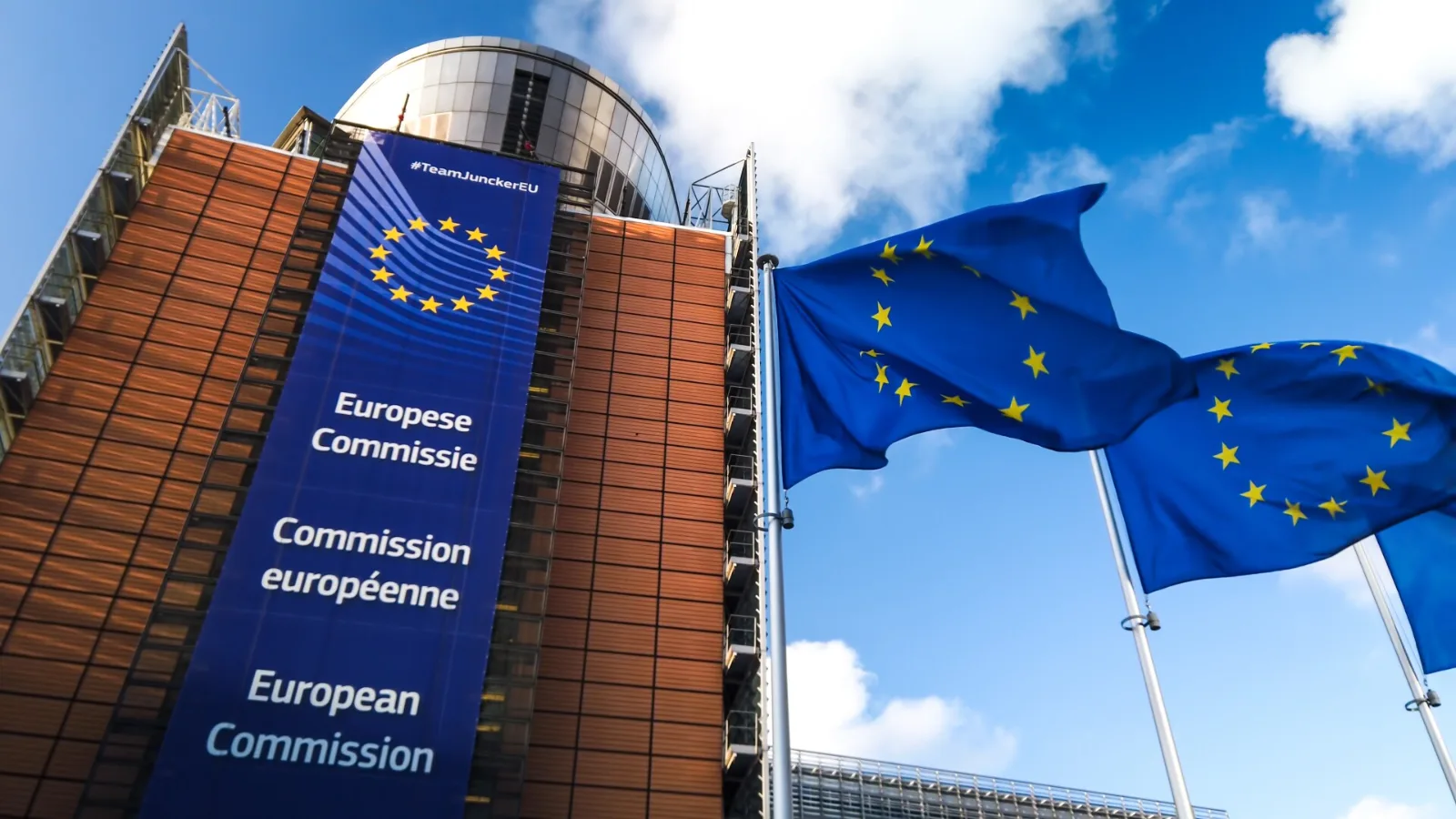











Google will modify its spam policy in Europe starting August 30 to prevent certain measures applied to websites from leading to new sanctions by regulators from the European Union. The decision comes after the European Commission expressed concern about the impact Google’s policy was having on media and other digital publishers.
The American company, part of Alphabet, was under scrutiny from European authorities due to its policy known as ''site reputation abuse'', designed to combat a practice known as ''parasite SEO''. This strategy involves publishing third-party pages or content within a website to leverage the authority and ranking signals of the host domain to artificially improve the visibility of that content in search results.
Google considers this practice a form of manipulation of its ranking systems and, until now, could apply manual actions against sites it identified as responsible for this behavior. Among the consequences was a reduction in the ranking of certain pages or content within Google Search results.
However, the European Commission determined that the application of this policy could indirectly harm media and other legitimate publishers. According to the European body, its monitoring of the policy showed that Google was lowering the visibility of websites and content belonging to media and other publishers when they hosted material provided by commercial partners.

Brussels' concern arose after several publishers filed complaints about how Google was applying the rules against site reputation abuse. The conflict ultimately led the European Commission to initiate an investigation under the Digital Markets Act (DMA), the European legislation designed to limit the power of large tech companies and promote greater competition in digital markets.
In response, Google announced that it will modify the territorial scope of the measures. Starting August 30, any manual action used to lower the ranking of a website due to this policy will not apply to users located in the 27 member countries of the European Union, as well as in Iceland, Norway, and Liechtenstein, all of which are part of the European Economic Area.
The company clarified that the modification will be limited to the European Economic Area. Outside of that region, the policy against ''site reputation abuse'' will continue to be applied unchanged.