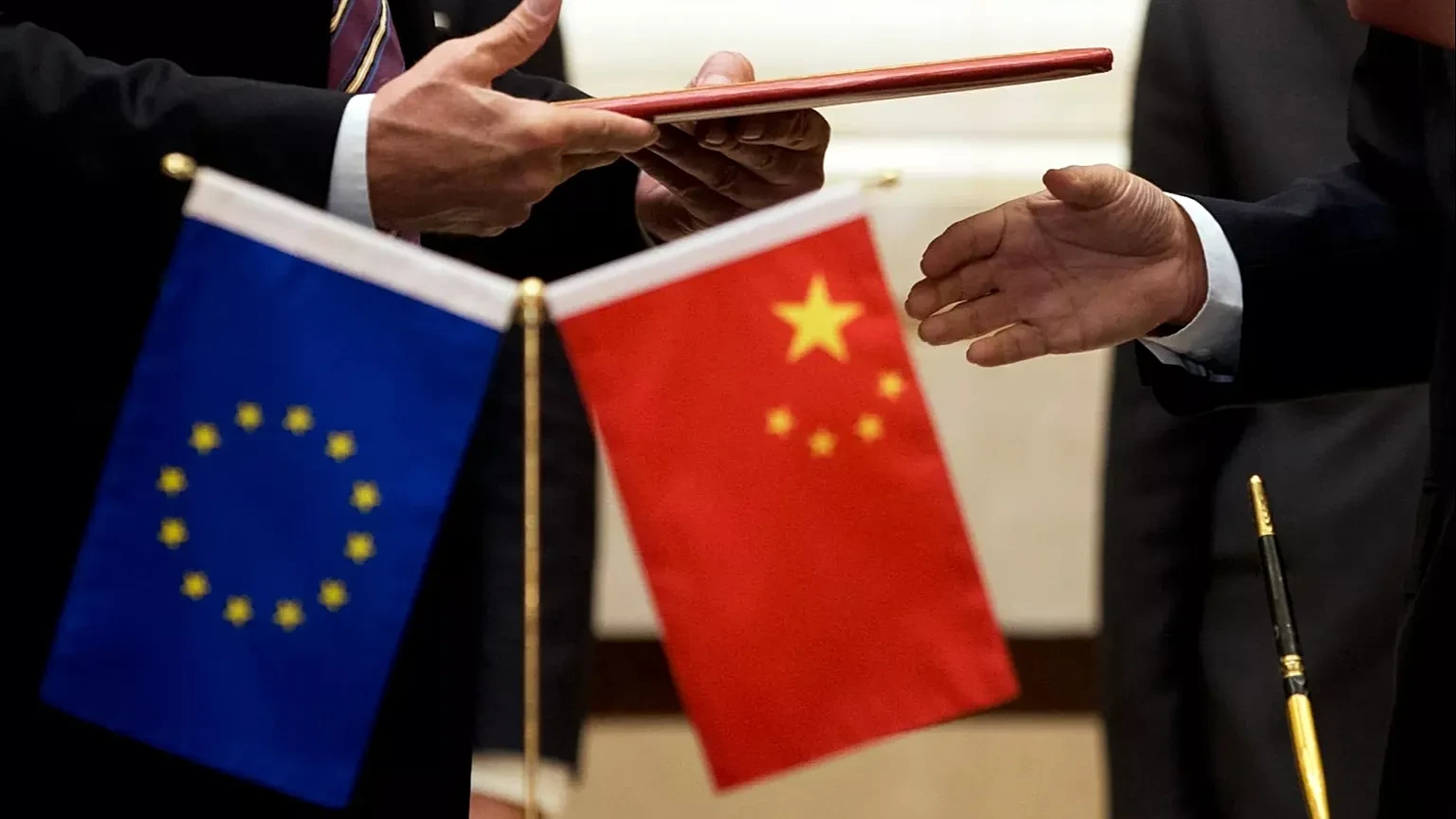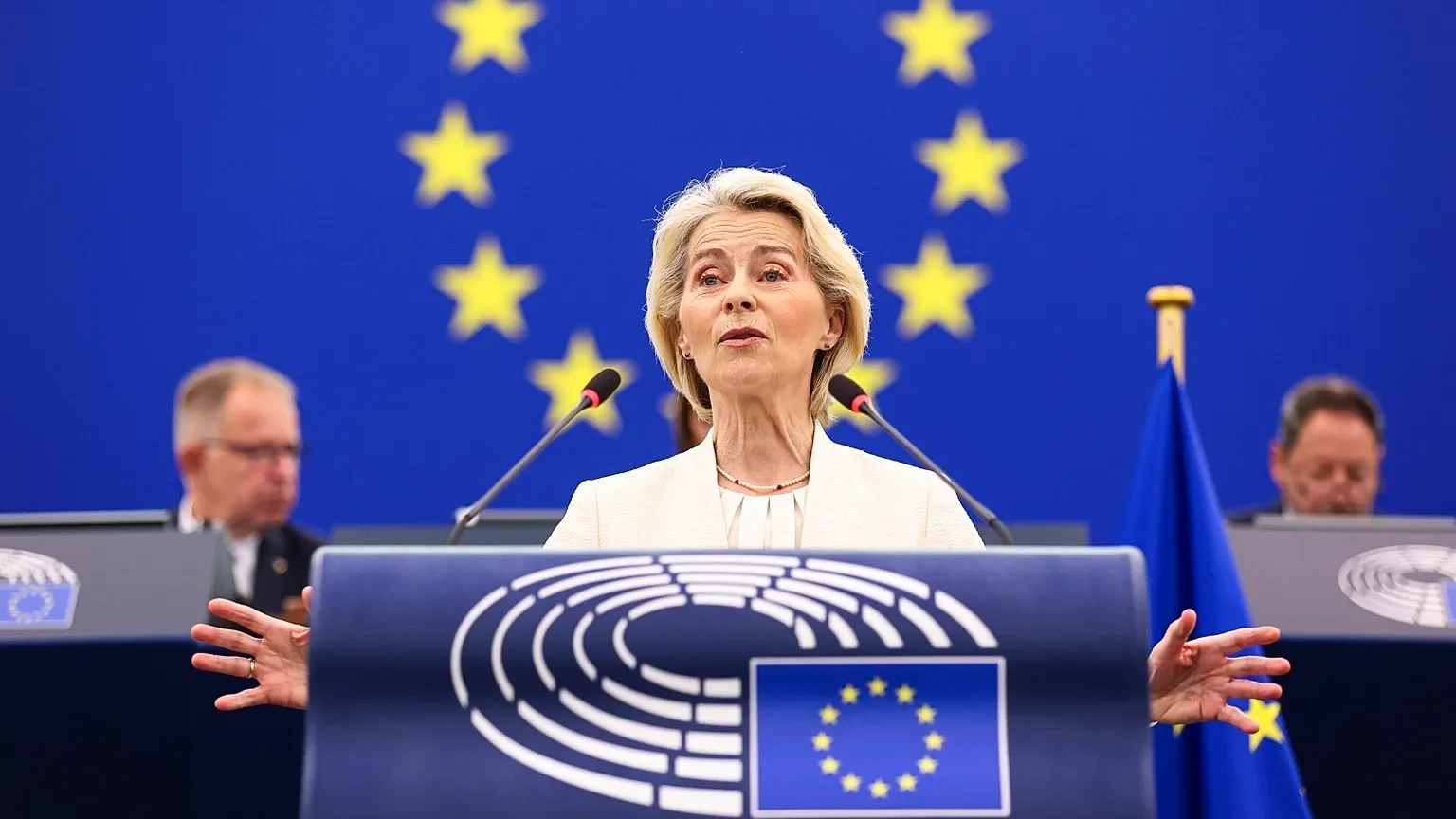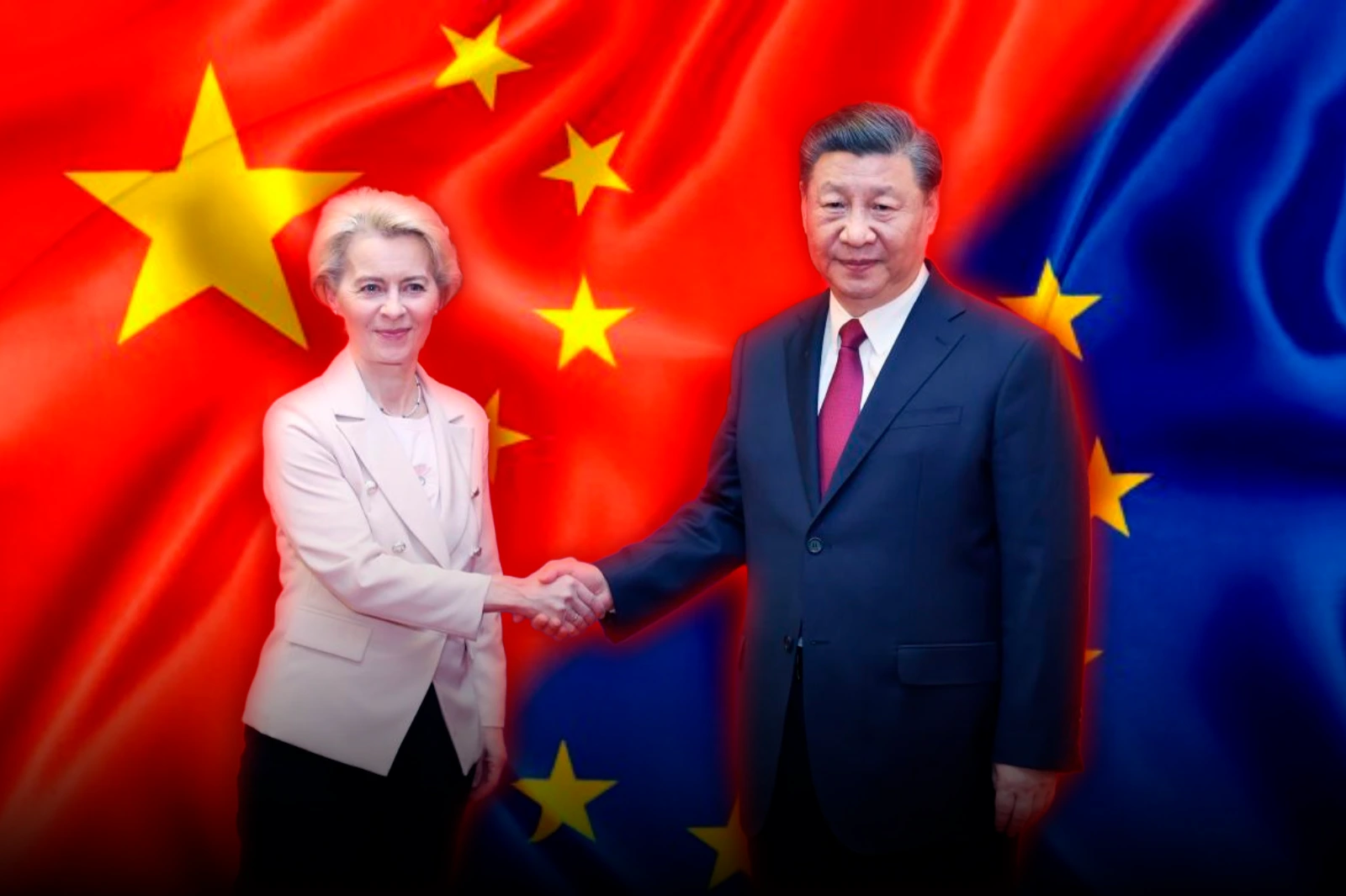










Von der Leyen highlighted that Europe depends on China for over 80% of numerous critical raw materials and around 90% of certain rare earths. This dependence was once again exposed by the export controls imposed by Beijing on strategic minerals, which have caused disruptions in supply chains and delays for European companies.
In light of this scenario, the European Commission announced the creation of a new structure aimed at ensuring the supply and storage of critical raw materials. The initiative seeks to coordinate purchases and create strategic reserves to reduce the bloc's vulnerability to potential external restrictions.
This strategy is part of the EU's effort to reduce strategic economic dependencies and strengthen its industrial capacity. Brussels aims for diversification to encompass everything from the extraction and processing of minerals to their storage and recycling.
The challenge for the European Union will be to balance the need to maintain trade relations with China with the intention of protecting its industries and reducing strategic risks. With October as a key date to assess the negotiations, von der Leyen made it clear that the bloc expects concrete progress and that, if the dialogue does not produce results, it is willing to resort to the trade and economic tools at its disposal.