This requirement prevents automatic returns and forces Sánchez's administration to face a complex administrative and legal task. The Spanish Supreme Court already declared a collective return of minors from Ceuta in 2021 illegal because the individual procedures established by Spanish legislation had not been respected.
Brussels takes a tougher stance on the crisis in Ceuta
The position of the European Commission represents, however, a clear signal: remaining illegally in European territory does not automatically generate a right to stay in Spain. Brussels has supported cooperation between Madrid and Rabat and has highlighted that Morocco has expressed its willingness to readmit its citizens.
For Spanish society, the episode should serve as a warning about the limits of a migration policy primarily based on reception and subsequent management of arrivals. The crisis demonstrates that a European border can come under extraordinary pressure in a matter of hours and that local authorities are the first to bear the consequences.
Pressure on the socialist executive increases now that Brussels explicitly supports returns. The challenge for Sánchez will be to demonstrate that Spain can protect minors and fulfill its legal obligations without relinquishing effective control of its borders.
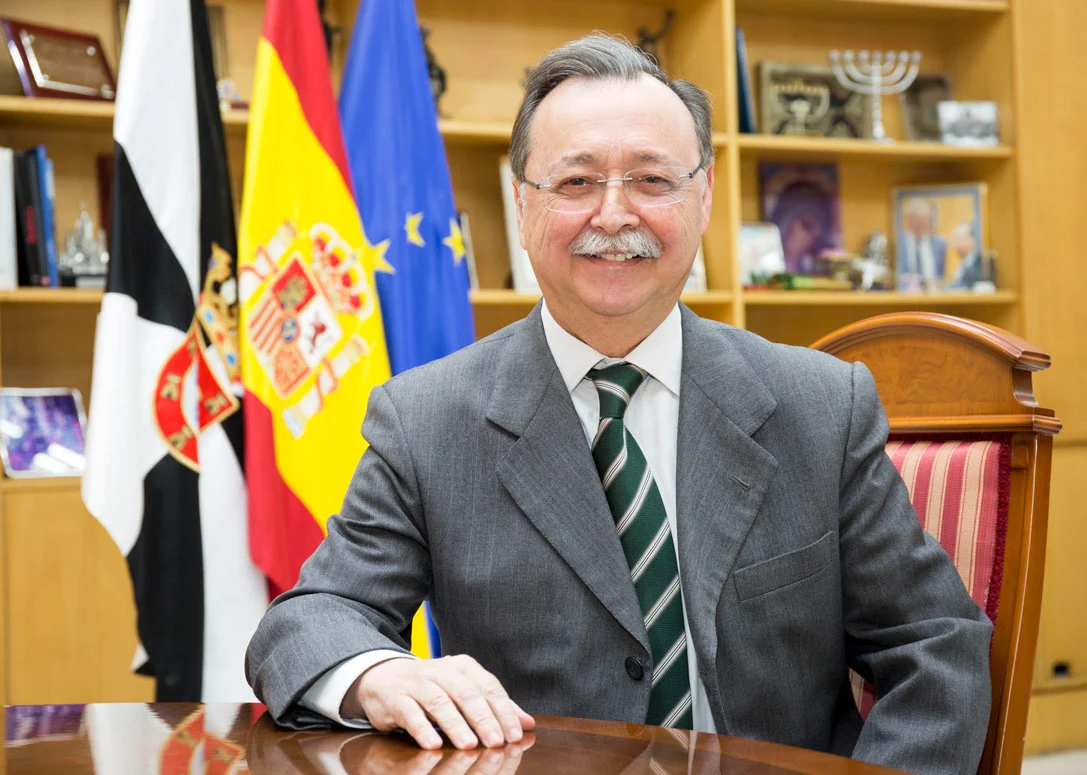
The president of Ceuta accused Sánchez's socialist government of not providing an adequate response to the invasion in the region
The European Commission backed the return to Morocco of migrants who are illegally staying in Ceuta, including unaccompanied minors as long as the guarantees provided by European legislation are met. Brussels' position represents support for a stricter border control policy, but it also puts pressure on the communist government of Pedro Sánchez, which has been questioned for its handling of a migration crisis that overwhelmed the autonomous city.
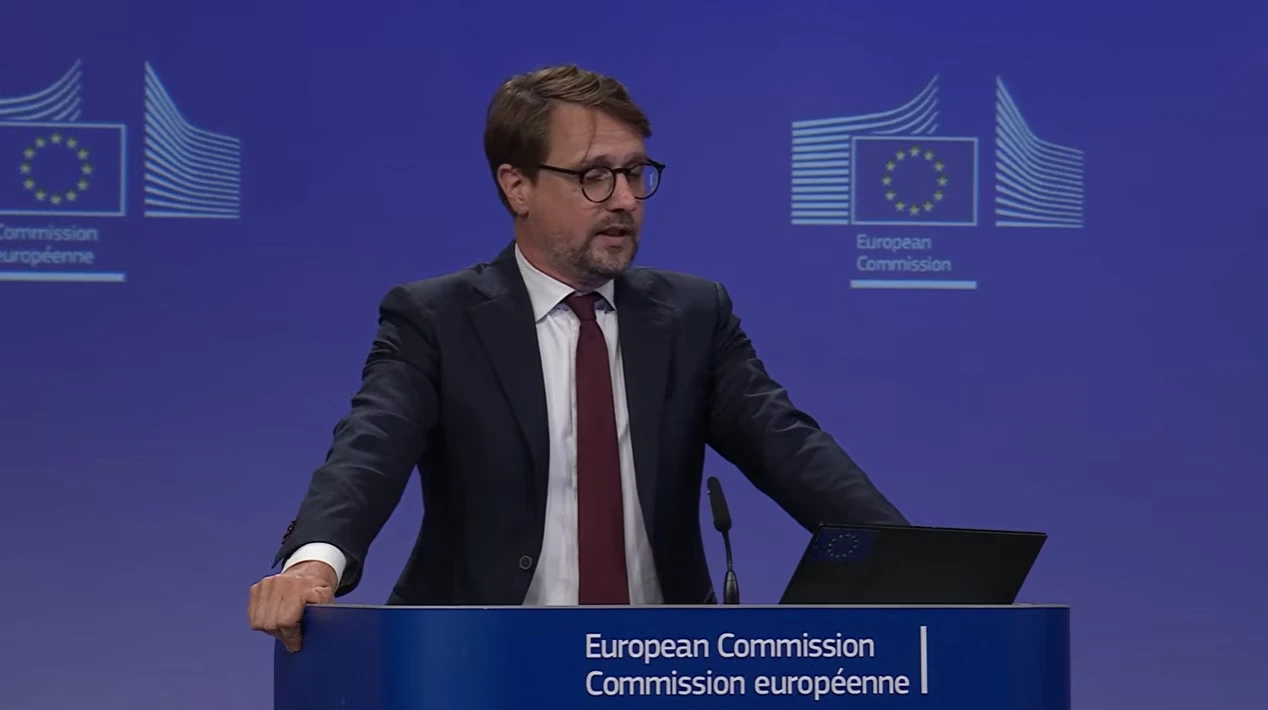
Markus Lammert, spokesperson for Internal Affairs of the European Commission, stated that the priority must be for Spanish and Moroccan authorities to maintain control of the situation and ensure the rapid return of those who remain illegally in Ceuta. Brussels noted that community legislation provides for the return of individuals in irregular situations, including unaccompanied minors, as long as it is determined that they will be adequately received in the destination country.
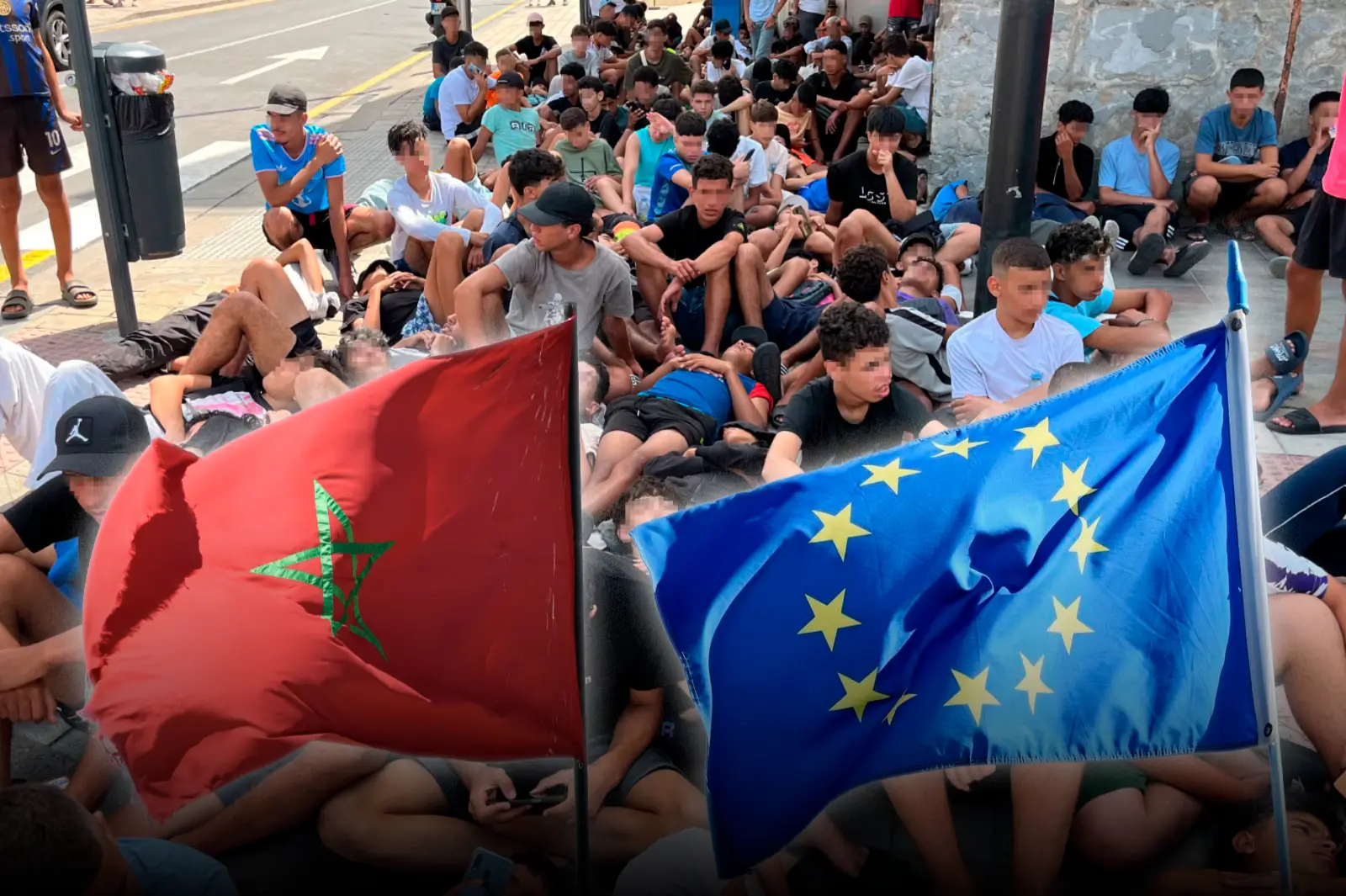
The statement comes after a massive influx of migrants from Morocco that tested Spain's response capacity. Although many have already returned to Morocco, thousands of people remain in Ceuta and the reception facilities have come under enormous pressure. Spanish authorities have identified 2,168 unaccompanied minors since July 30, all placed under the guardianship of the autonomous city.
The European Union assured that Spain must return all illegal immigrants remaining in Ceuta to Morocco, including minors
The scale of the crisis has led to strong criticism of Sánchez's socialist government. Critics argue that Madrid reacted too late to a situation that ultimately overwhelmed local authorities and generated enormous pressure on public services. The city of Ceuta itself has called for a more robust response and has questioned the strategy of the central government.
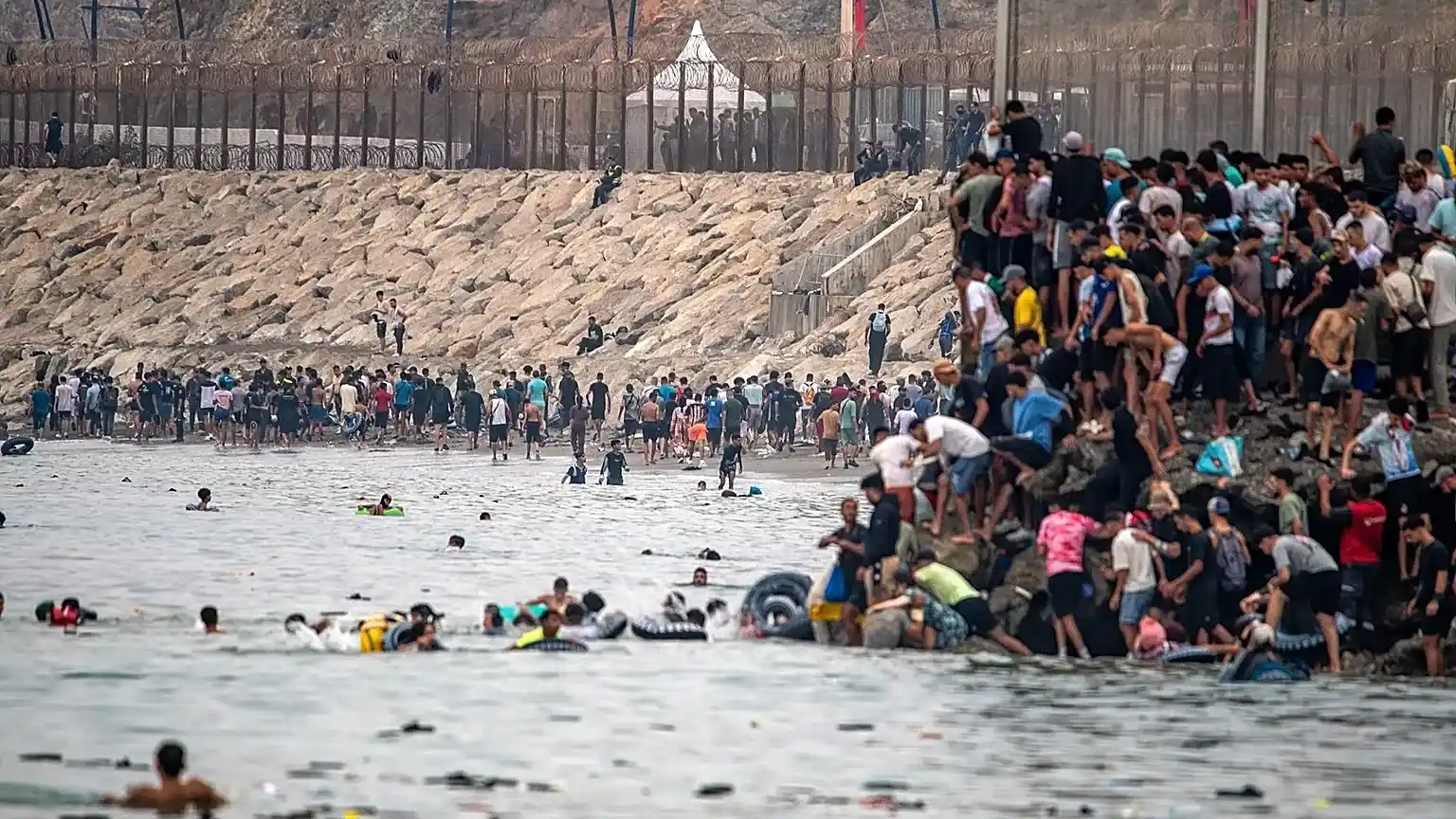
The magnitude of the episode is particularly significant considering the size of Ceuta, whose population is around 85,000 inhabitants. Estimates of the number of people who crossed during the wave at the end of July exceeded 70,000, making the episode one of the largest migration crises recorded in Spanish territory.
The number of invaders in Ceuta reached a peak of up to 70,000 people who had crossed from Morocco
Sánchez under pressure for his migration policy
Sánchez's government has defended its actions and collaborated with Morocco to expedite returns, but critics argue that the response highlights the consequences of a migration policy that is too permissive. The problem is not limited to the number of people who entered irregularly, but also to the state's capacity to control its borders and prevent a massive arrival from creating a pull effect.
The situation has forced Madrid and the government of Ceuta to create new spaces to temporarily accommodate around 1,500 people, while thousands continue to live in precarious conditions. The political tension between both administrations has intensified, with the president of Ceuta, Juan Jesús Vivas, accusing the central government of not responding adequately to the emergency.
Moreover, the crisis has led to serious incidents in reception centers and their surroundings. Several media outlets reported allegations of harassment and sexual assaults against migrant women, including minors by illegal immigrants, highlighting the difficulties in ensuring safety and protection conditions in facilities that have become overloaded.
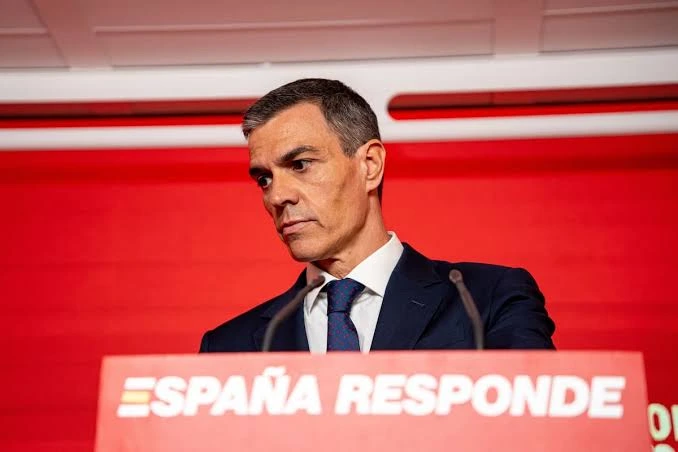
The communist government of Pedro Sánchez has faced strong criticism due to its lax immigration policies
The Spanish government also faces criticism for how it has managed the situation of minors. Although Brussels has confirmed that European legislation allows for their return under certain conditions, Spanish authorities must conduct individual assessments and ensure that each minor is handed over to family members, guardians, or suitable facilities in Morocco.