The European Parliament officially included the term “Christianophobia” in its annual resolution on human rights and democracy in the world. The recognition comes in an alarming global context: more than 380 million suffer violence, discrimination or displacement because of their faith.
Nuevo
Agregar La Derecha Diario en
Compartir:
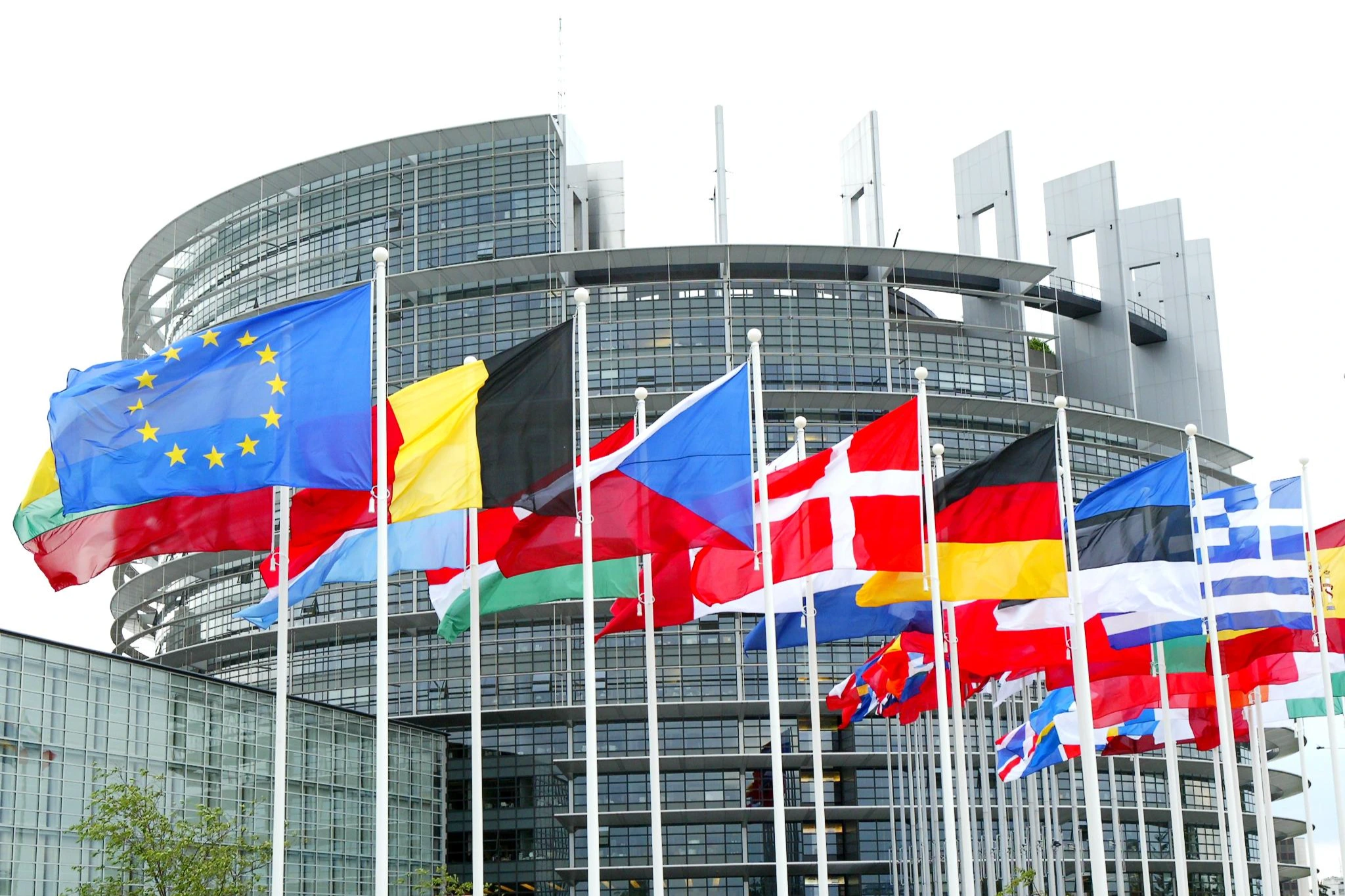
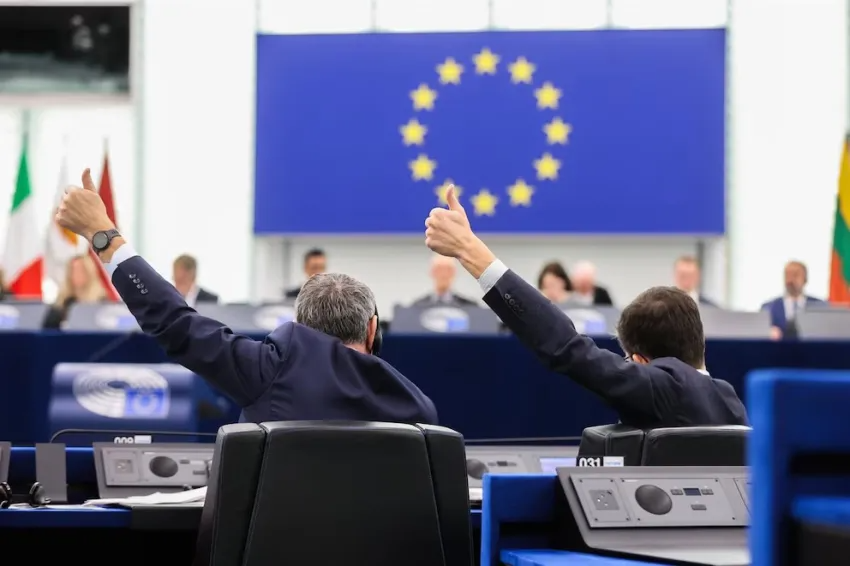
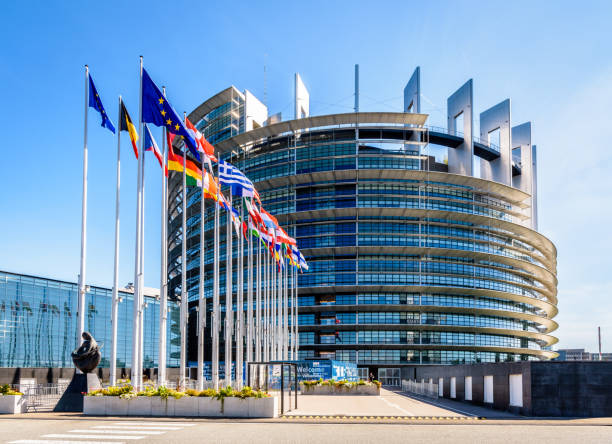
In the midst of an increasingly intense debate about religious freedom and the increase in hate crimes in different regions of the world, the EuropeanParliament took a significant step by officially recognizing the existence of “Christianophobia” and the systematic persecution suffered by millions of Christian believers. .
The document is strong in pointing out that “Christianity remains the most persecuted religion in the world, with more than 380 million people affected”. Despite this reality, the resolution itself notes an obvious institutional asymmetry within the European Union. “Although Christianity remains the most persecuted religion in the world, with more than 380 million people affected, there is no European coordinator responsible for combating Christianophobia, despite the fact that a coordinator has been appointed to combat Islamophobia,” states the text approved by the
Parliament. European Parliament
This formal recognition comes in a worrying international context. According to various organizations that monitor religious freedom, one in seven Christians in the world suffers some type of persecution for their faith, a figure that reflects the seriousness of the phenomenon. The latest report by the Open Doors organization, dedicated to monitoring the situation of persecuted Christians in the world, reveals alarming data. During the last period analyzed alone, 3,632 churches and Christian properties were attacked, while 224,129 Christians were forced to leave their homes, hide or flee their
countries due to violent persecution.
The situation is particularly dramatic in some regions. In Nigeria alone, thousands of Christians were killed last year, according to the report. In addition, among the ten countries with the highest Christian persecution are states governed by extreme left-wing communist regimes and territories affected by Islamic extremism. Open Doors warns that a record number of Christians are currently living under severe persecution, a trend that, far from diminishing, continues to worsen
.
The European Parliament also highlighted the difficult situation experienced by Christian communities in the Middle East, a region considered the historic cradle of Christianity. “Christian communities in the Middle East, among the oldest in the world, continue to face serious persecution, discrimination, forced displacement and restrictions on their freedom of religion or belief,” the adopted resolution states
.
At the conceptual level, the Parliament also advanced in the formal definition of the term “Christianophobia”, which is now considered a specific category of religious discrimination. The resolution defines it as “any act of violence, discrimination, harassment, vandalism or hate speech directed against Christian people, symbols or places of worship”. In addition, the text urges the European Commission to appoint a specific coordinator to combat this phenomenon, equivalent to existing positions to address anti-Semitism and
Islamophobia.
The Observatory on Intolerance and Discrimination against Christians in Europe (OIDAC) welcomed the decision, especially highlighting the recognition of what it considers to be institutional inequality within the European framework for combating discrimination. According to the organization, “the Parliament not only recognizes the global magnitude of anti-Christian persecution, but also reveals an institutional asymmetry within the existing anti-discrimination framework in the EU
”. European Parliament
However, the political debate within Europe is still open. Conservative European politicians strongly defended the inclusion of the term and the corresponding amendments, arguing that the defense of all religious liberties forms an essential part of European values. On the contrary, representatives of the left and the green parties expressed reservations, arguing that singling out a religion could generate the perception of a hierarchy among the different victims of
discrimination.
The debate takes place in a context where thousands of anti-Christian hate crimes were registered during 2024, including attacks on churches and episodes of xenophobic and religious violence in countries such as France, the United Kingdom, Germany, Spain and Austria. According to different observers, the phenomenon tends to intensify in those countries where public debates about religion, secularism and secularism become
especially polarized.
So far, the European Commission has not yet appointed a person to act as coordinator to combat Christianophobia, despite Parliament's recommendations. In this scenario, COMECE (Conference of European Episcopal Conferences) —the official representative of the Catholic Church to community institutions—has long been demanding recognition and concrete action against anti-Christian hatred and, in general, against all forms of attack against religious
freedom.
The organization anticipates that in the coming months, specific proposals for action could be presented, linked to the new European framework of rights and the community strategy against racism and intolerance. The debate on religious freedom also refers to fundamental principles of international law. The Universal Declaration of Human Rights, in its article 18, states: “Everyone has the right to freedom of thought, conscience and religion; this right includes the freedom to change religion or belief, as well as the freedom to manifest their religion or belief, individually or collectively, both in public and in private, through teaching, practice, worship and observance
”.
From this perspective, several analysts stress that no State should interfere in the religious sphere of believing individuals or communities, nor impose, force or restrict their beliefs. Religious freedom is also deeply linked to other fundamental freedoms, such as freedom of expression, freedom of association, freedom of worship, freedom of conscience and the right of parents to choose the religious and moral education of their children
.
The recognition of Christianophobia by the European Parliament also reopens a broader reflection on the identity of the continent. For centuries, the Christian faith played a decisive role in shaping European civilization, influencing its cultural, institutional and moral development. For many believers, the current challenge is to defend religious freedom without complexes, in a context where tensions between tradition, secularism and religious pluralism continue to set the course of public debate