Even within the country itself, the decision is divisive. Energy companies have requested to extend the useful life of Almaraz until at least 2030, arguing that the plant is safe, efficient and key to avoiding increases in the price





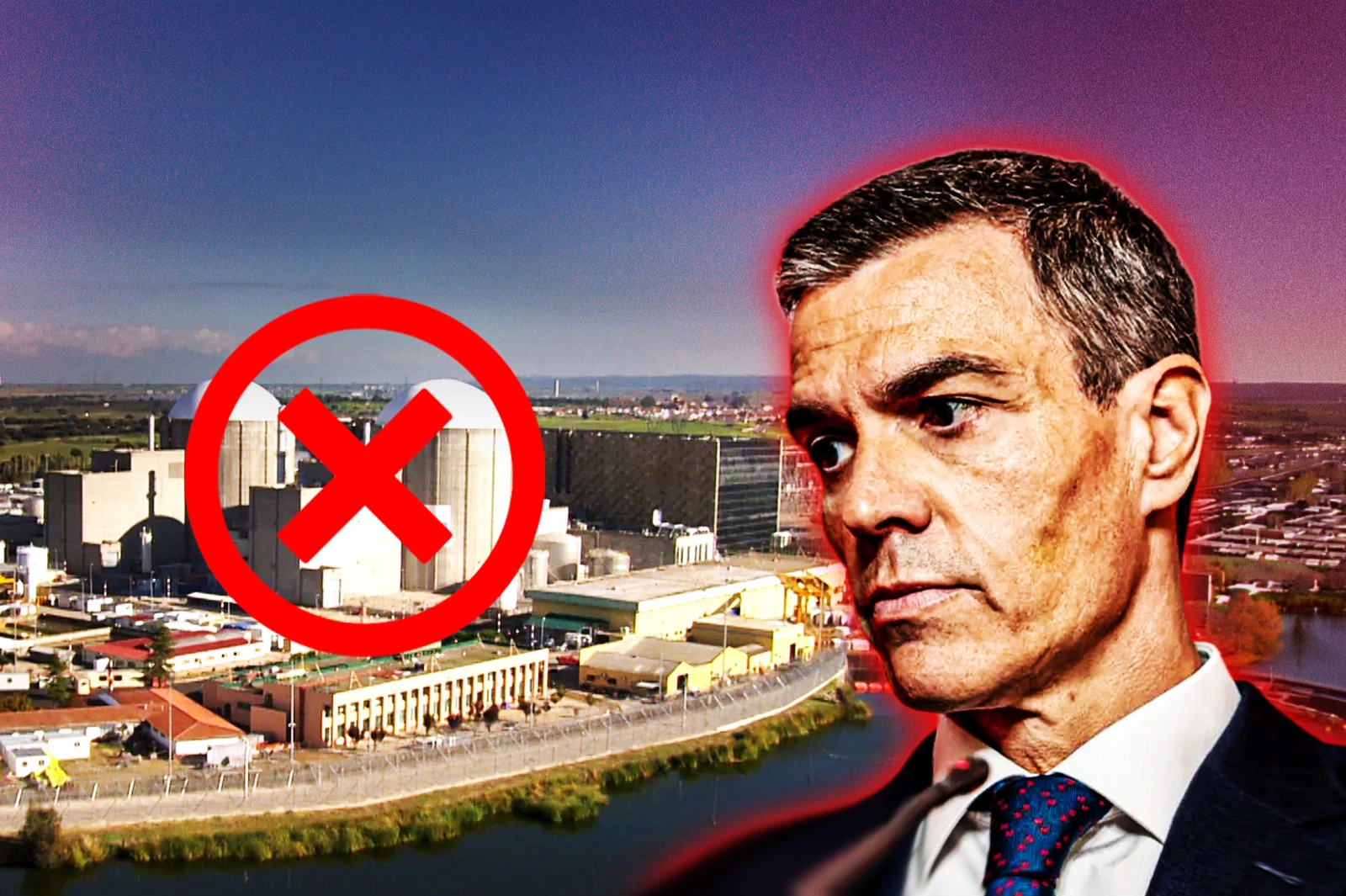

Local authorities warn about the economic and energy impact of a policy that contrasts with the global trend.
Even within the country itself, the decision is divisive. Energy companies have requested to extend the useful life of Almaraz until at least 2030, arguing that the plant is safe, efficient and key to avoiding increases in the price





The future of the Almaraz nuclear power plant in Spain has become one of the most sensitive debates in Europe, after different sectors described its closure as a decision guided by leftist rather than technical ideology. In a context of global energy crisis, the policy of the Pedro Sánchez government to move towards a nuclear blackout generates more and more questions inside and outside the country
.The plant, located in Extremadura, is planning to close its two reactors between 2027 and 2028, as part of the national plan to abandon nuclear energy before 2035. However, this decision responds more to a political stance than to security or energy efficiency criteria.
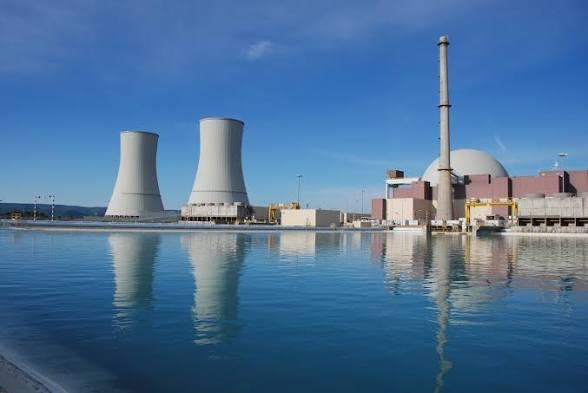
The potential impact is significant. The plant not only provides stability to the electrical system, but it also generates thousands of direct and indirect jobs in an already vulnerable region. It is estimated that its closure could affect some 4,000 workers and deepen the problem of depopulation in
Extremadura.In addition, the debate comes at a time when much of the world is moving in the opposite direction. Countries such as the United States, France and China are strengthening their nuclear capacity as a key tool to guarantee energy supply and reduce emissions. In contrast, the Sánchez government is moving towards a progressive dismantling of its nuclear park, which is seen as a bet destined
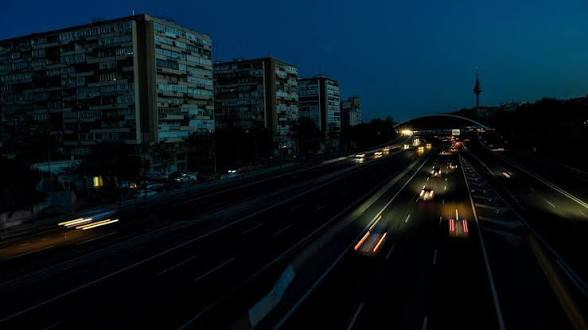
At the political level, the closure has also escalated as an electoral and territorial issue. Regional governments and local communities warn of a possible “economic catastrophe”, while demanding greater flexibility in the closure schedule
.In this context, the case of Almaraz transcends the technical and becomes a symbol of a wider debate: the balance between ecological transition and energy security. The risk is clear: prioritizing political decisions over evidence could weaken the competitiveness and stability of the energy system
.The outcome is not yet complete, but one thing is clear: Spain's energy future, and its development model, is at stake.