The Vicuña mining project, promoted by Lundin Mining and BHP and with planned investments of up to US $18 billion, is facing a roadblock ordered by the Peronist governor of La Rioja, Ricardo Quintela, who interrupted the passage of machinery and supplies key to its development.
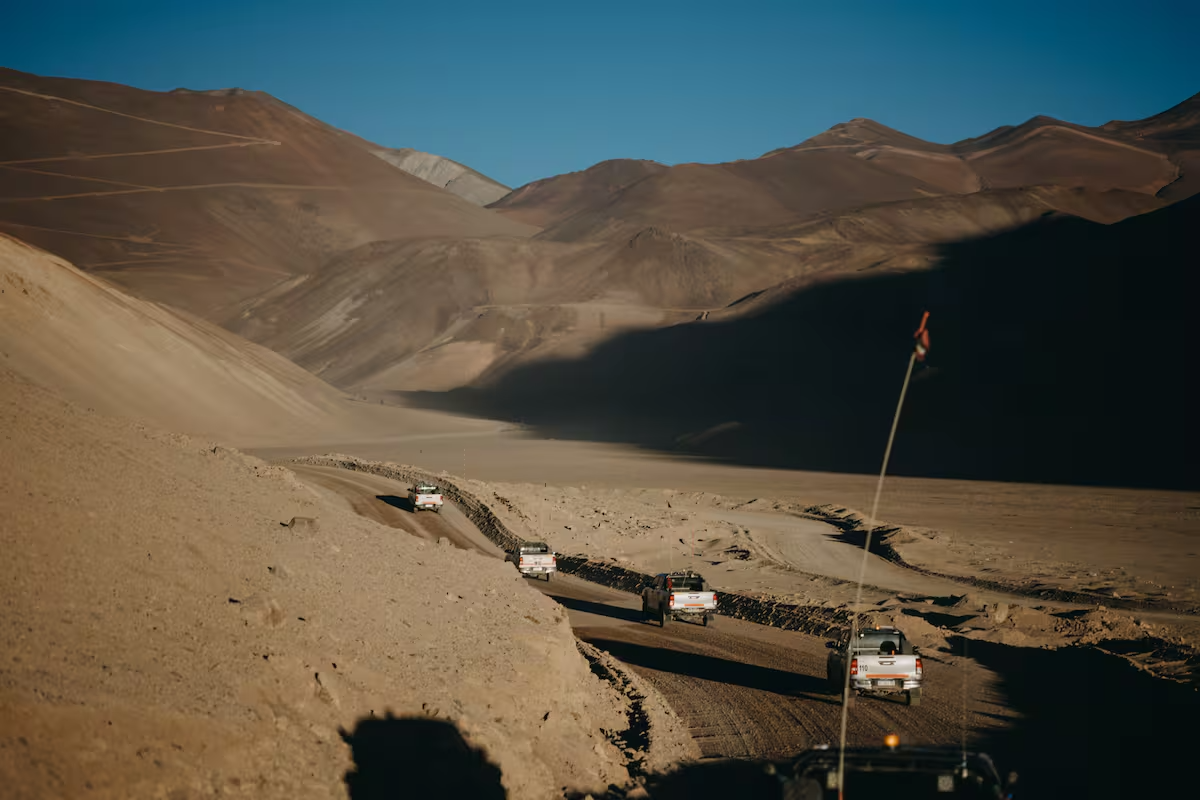
The measure became known in mid-April, when the Riojan administration suspended activities related to the project in its territory for 30 days and restricted the passage of machinery and supplies through the Guandacol area. This is an alternative access that the company uses while the construction of the main route within San Juan progresses
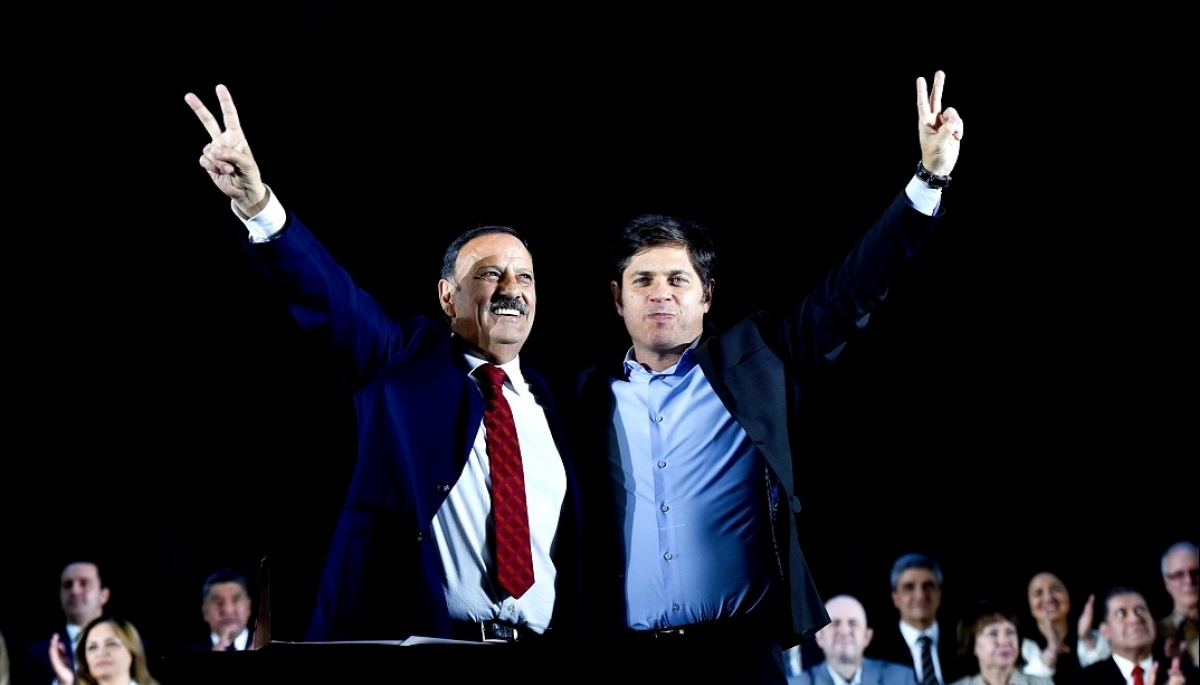
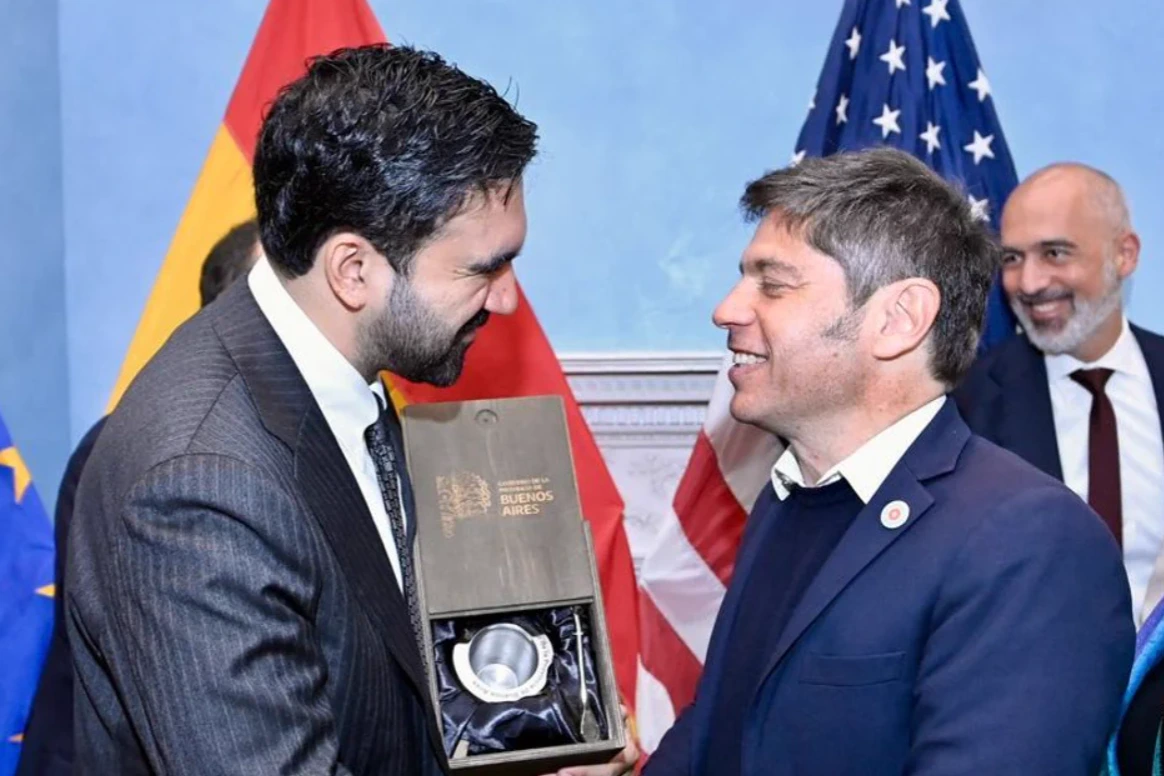
. Ricardo Quintela with Axel Kicillof.
In addition to the blockade, Quintela required the submission of an environmental impact study to his province, despite the fact that the project already has the corresponding approval from San Juan. In parallel, the president reactivated a demand for interprovincial boundaries, questioning agreements in force since 1968 and stating that part of the Filo del Sol reservoir
should belong to La Rioja.
Faced with this situation, the Vicuña company, comprised of the Canadian company Lundin Mining and the Australian company BHP, appealed to the San Juan Justice, which granted a precautionary measure to guarantee the operational continuity of the project while the conflict is being resolved. After that decision, activities continued using roads entirely located in the territory of San Juan, although with greater
logistical difficulties.
The San Juan government made a clear position regarding the jurisdiction of the project. They noted that subsurface resources are supported by the National Constitution and Law 18,004, and that ongoing mining development is in line with the current legal framework. Along these lines, they stressed that the project is not stopped and that it continues to move forward in accordance with the agreements established with the national government and the companies involved
. The private firm pays for the maintenance of the roads on which it operates.
Behind Vicuña are two of the world's leading mining companies. The plan envisages an initial investment of US $7100 million over the next three years to develop a copper, gold and silver mine more than 4200 meters high in the Cordillera Sanjuanina, integrating the
Josemaria and Filo del Sol deposits.
If implemented as planned, the project could rank among the most important in the world of its kind, with annual exports close to $6 billion, in a global context where copper is gaining prominence due to its role in the energy transition.