The United Arab Emirates announced that they will leave OPEC and the expanded OPEC+ alliance as of May 1, ending nearly 60 years of membership and having a strong impact on the balance of the global energy market. The decision comes in the midst of an unprecedented energy crisis linked to the war with Iran, which has altered supply routes and exposed growing tensions between major Gulf producers
.
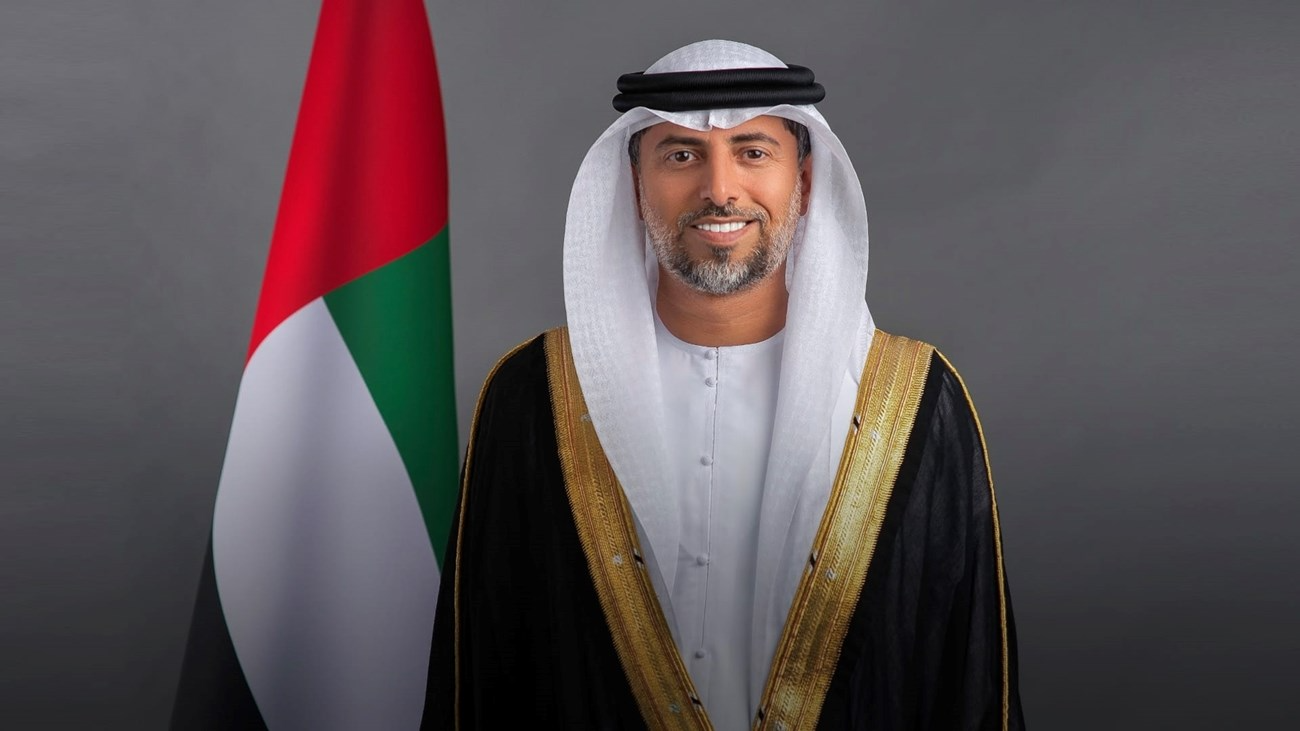
The Emirati Energy Minister, Suhail Mohamed al-Mazrouei, explained that the exit responds to a strategic evaluation of the country's energy policies. He said that freeing itself from the production quotas imposed by OPEC will allow the Emirates to adjust its oil pumping with greater flexibility to respond to growing global demand. “It's a policy decision made after analyzing current and future levels of production,” he said.
The measure represents a significant blow to OPEC, since the Emirates are one of its largest producers and one of the few with spare capacity to rapidly increase supply. Many analysts believe that his exit could weaken the cartel's ability to influence international oil prices and maintain market stability. In addition, it is interpreted as a symptom of internal friction, especially with Saudi Arabia, the organization's de facto leader
. The energy minister of the United Arab Emirates explained that the exit from OPEC is due to a realignment of the country's energy policy
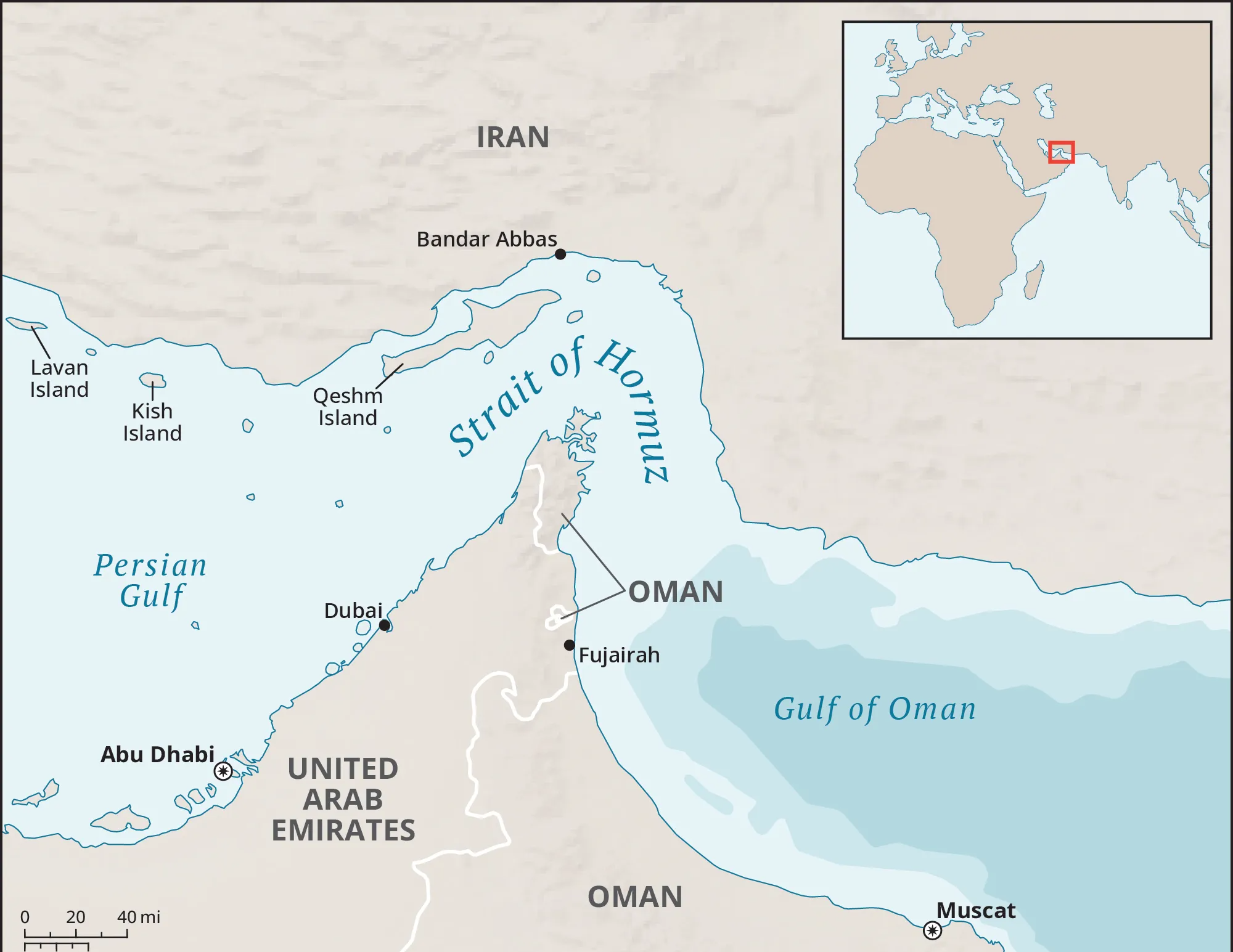
The decision also opens the door for Abu Dhabi to increase its production once exports are normalized through the Strait of Hormuz, a key point where about 20% of the world's oil circulates. Currently, traffic on that road is affected by threats and attacks linked to the conflict with Iran, which has limited the export capacity of several Gulf countries. As a result, OPEC+'s share of global production fell from 48% in February to 44% in March, with further declines expected
.
Although the immediate impact on prices has been moderate due to these logistical restrictions, experts anticipate more significant effects in the medium term. Apart from the quota agreement, the Emirates could increase its production by up to one million barrels a day, which would increase global supply and could push down prices. However, it is also warned that this could generate greater volatility in the international energy market
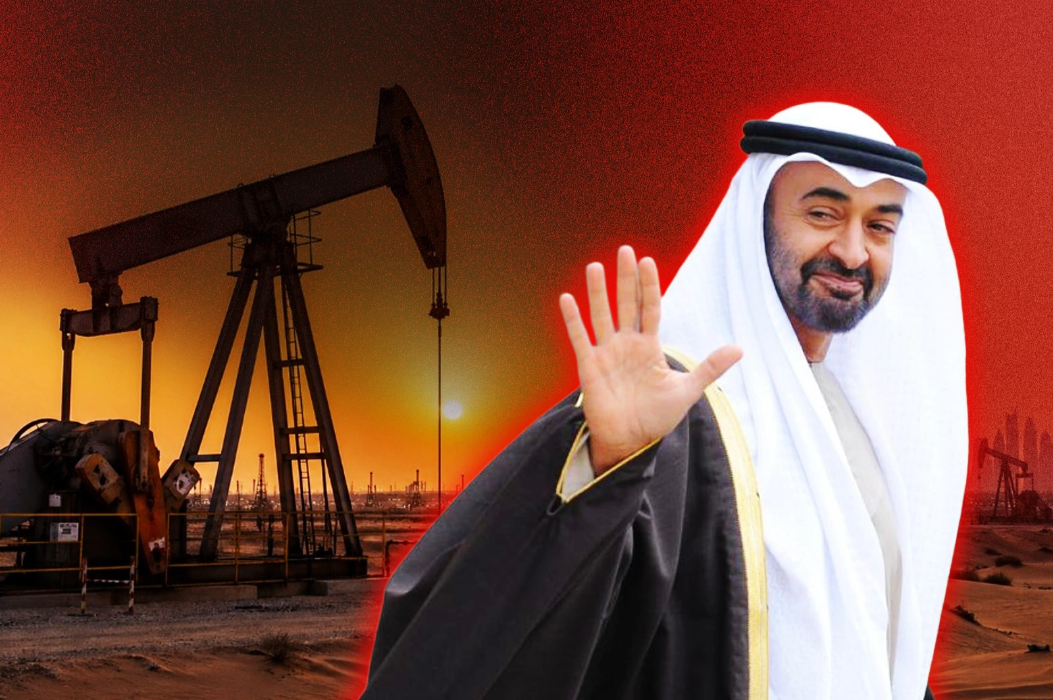
oil market. The United Arab Emirates could increase its oil supply exponentially once trade through the Strait of Hormuz normalizes
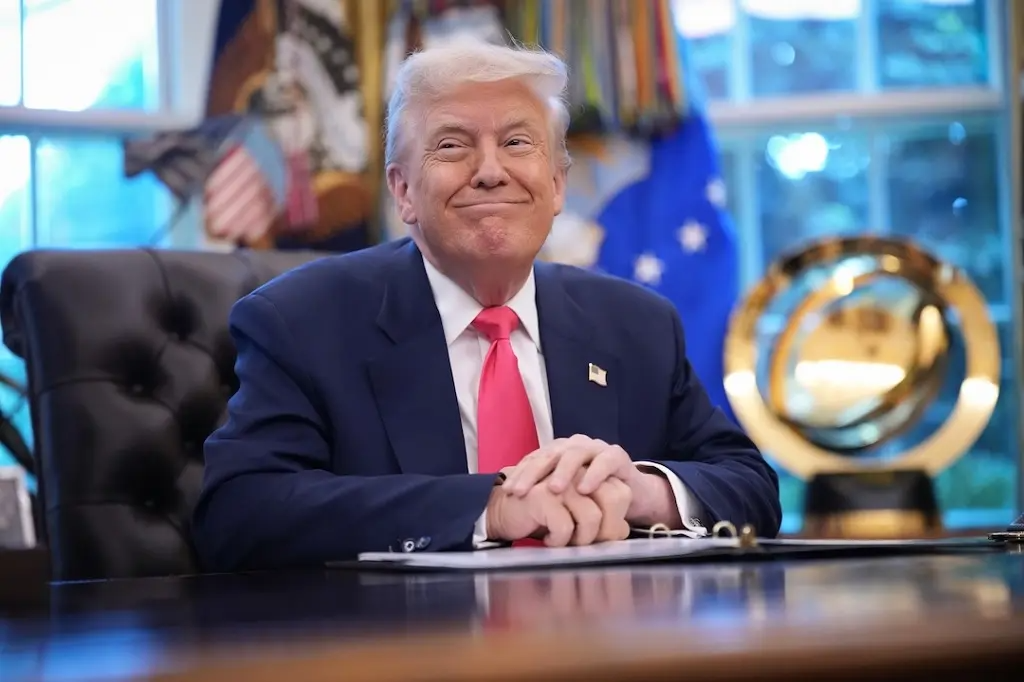
The decision has been seen as favorable to the President of the United States, Donald Trump, who has repeatedly criticized OPEC for maintaining high oil prices. Trump has argued that Gulf countries benefit from high prices while receiving US military support. The Emirates' exit could facilitate greater alignment with Washington's energy interests and strengthen bilateral ties
.
On the other hand, international organizations such as the World Bank have warned that the current energy crisis, aggravated by the conflict in the Middle East, could raise energy prices by around 25% this year. This increase would have a special impact on the most vulnerable sectors, which allocate a greater proportion of their income to food
and fuel.
The Emirates, which joined OPEC in 1967, have invested significantly in expanding their production capacity and have long sought greater autonomy to exploit that potential. With production close to 2.9 million barrels per day in 2024, the country aspires to consolidate itself as a key supplier in the global market, especially in a context of
growing energy demand. The President of the United States has launched strong criticism of OPEC in the past and assured that competition will increase in the oil market.