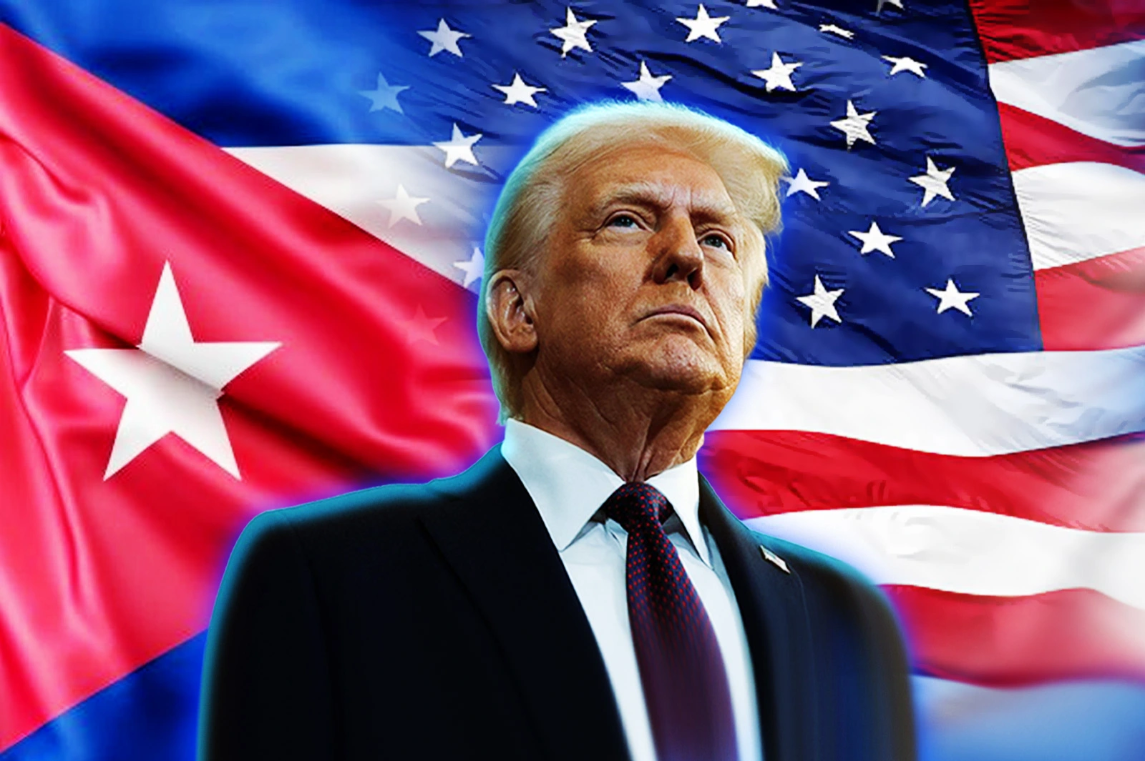

The United States Senate voted 51-47 to block the progress of a resolution that sought to limit President Donald Trump's ability to take military action against Cuba without prior approval by Congress. The initiative, presented by Democratic Senator Tim Kaine, failed to overcome the procedural obstacle necessary to open the debate in the plenary, which in practice stopped
its progress.Kaine's proposal sought to apply the War Powers Act to demand the withdrawal of any U.S. force deployed around Cuba without legislative authorization, in addition to considering actions such as a naval blockade as hostile acts that would require congressional approval. However, the majority of Republican senators lined up to prevent the bill from moving forward, thus supporting the position of preserving the Executive's flexibility in matters of national security
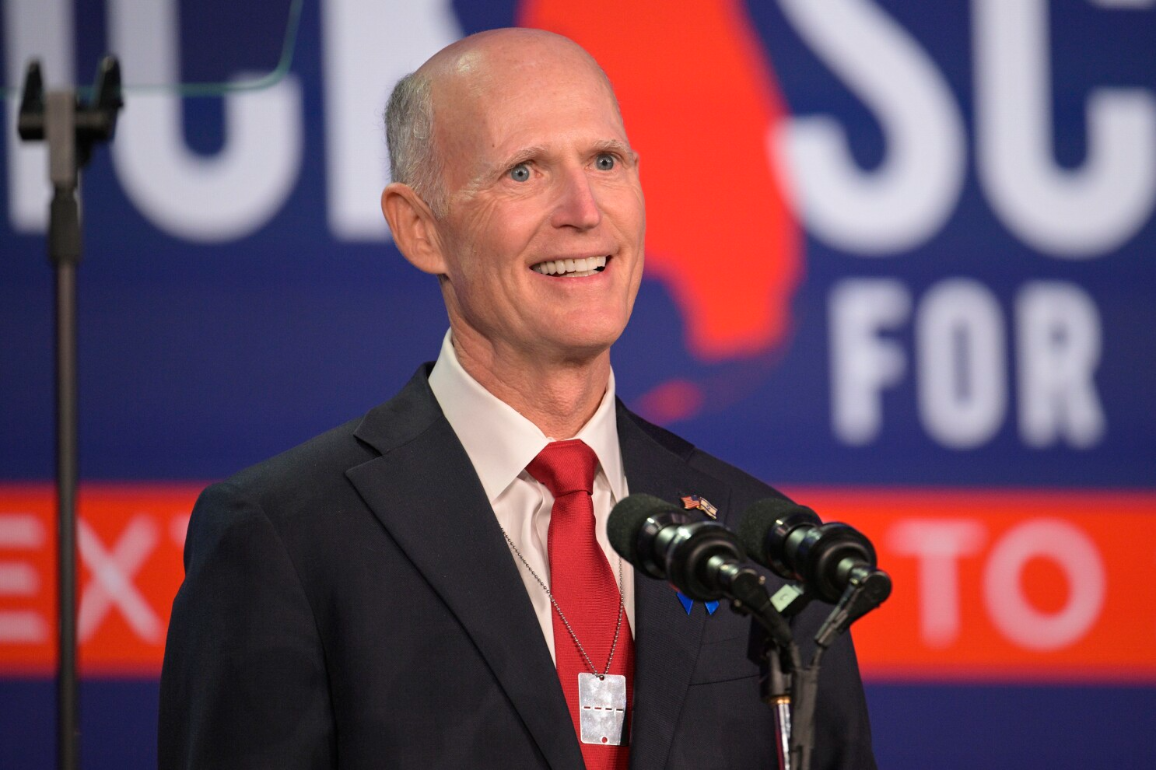
.Senator Rick Scott was the one who promoted the maneuver to block the initiative, arguing that imposing early restrictions on the president could limit the United States' ability to respond to potential threats in the region. Cuba's geographical proximity, just 90 miles off the coast of Florida, has been a key factor in the debate over hemispheric security
.
Despite majority support within the Republican Party, some legislators broke ranks. Senators Rand Paul, Susan Collins and Mitch McConnell joined the majority of Democrats in trying to force the vote, evidencing internal divisions over the role of Congress in military decisions. In contrast, Democratic Senator John Fetterman voted with Republicans to block the resolution, highlighting the cross-cutting nature of the debate