Faced with this scenario, the government has repeatedly resorted to the imposition of temporary restrictions on gasoline and diesel exports as a mechanism to stabilize the domestic market. These measures seek to avoid abrupt price increases and ensure that fuel is available to consumers and strategic sectors of the economy
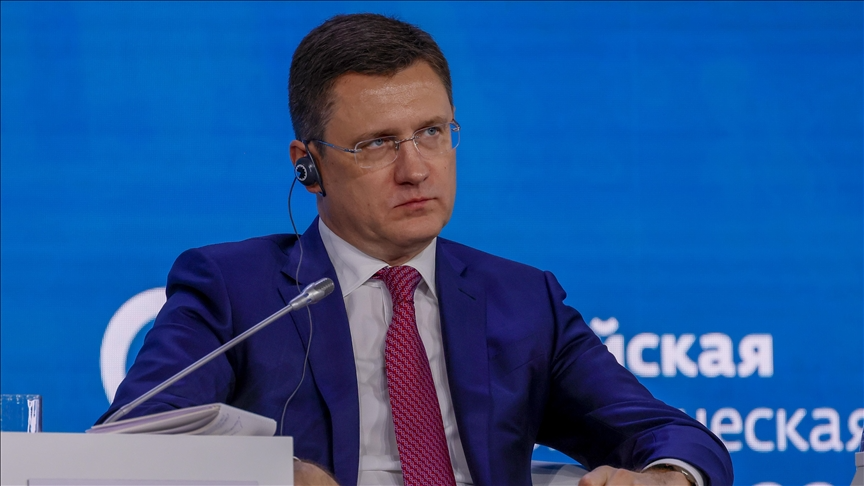
Russia is on track to impose a new temporary ban on gasoline exports starting April 1, in an attempt to secure domestic supply and contain rising prices in the domestic market. The measure was promoted by Deputy Prime Minister Alexander Novak, who instructed the Energy Ministry to prepare a draft resolution, the Russian government said in an
official statement.
According to versions previously released by the state agency TASS, the restriction could be extended until July 31. The central objective is to guarantee the stability of fuel supply within the country in an international context marked by the volatility of energy prices
.
Novak explained that the instability in the global oil and derivatives markets responds, to a large extent, to the crisis in the Middle East, which has caused strong price fluctuations. In this scenario, he stressed that the high demand for Russian energy resources in international markets continues to be a favorable factor for the national economy. However, the official made it clear that the government's priority is to ensure domestic supply
. The Deputy Prime Minister of Russia instructed the Ministry of Energy to draft an official statement
According to the official statement, crude oil processing levels remain in line with those of last year, ensuring a stable supply of petroleum products. Even so, Russia has faced fuel supply tensions in different parts of the country over the past year
.
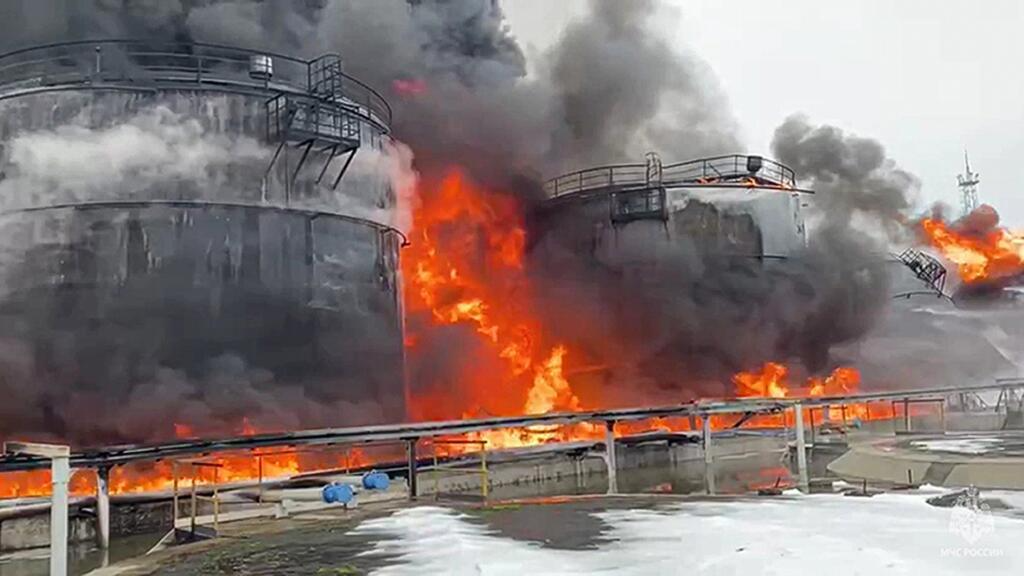
In particular, several Russian regions and Ukrainian territories under Moscow's control experienced gasoline shortages in 2024. These difficulties were associated both with a seasonal increase in demand and with attacks launched byUkraineagainst Russian refineries, which affected fuel production and distribution capacity
.
From the point of view of foreign trade, the decision implies a significant interruption in export flows, although considered manageable by the authorities. Industry sources indicated that Russia exported nearly 5 million metric tons of gasoline last year, equivalent to approximately 117,000
barrels per day. The shortage of fuel in Russia is due to factors such as the Ukrainian bombing of Russian refineries
The new restriction reflects the delicate balance Russia faces between taking advantage of strong international demand for its energy resources and ensuring the stability of its domestic market. In a context of geopolitical tensions and volatility in global prices, the government chooses to prioritize domestic consumption, even at the cost of resigning export revenues in the short term
.
Analysts point out that these types of measures are part of a broader strategy of state intervention in the energy sector, aimed at mitigating the effects of external factors on the local economy. Meanwhile, the development of the conflict in the Middle East and its impact on markets will continue to be a key element in defining the duration and scope of the ban.
The final resolution of the Ministry of Energy will be decisive in establishing the details of the measure, which could have repercussions both on the Russian domestic market and on the global supply of fuels.
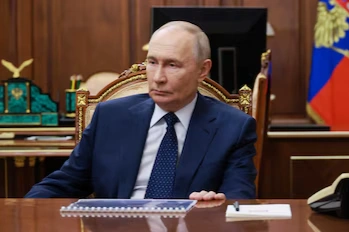
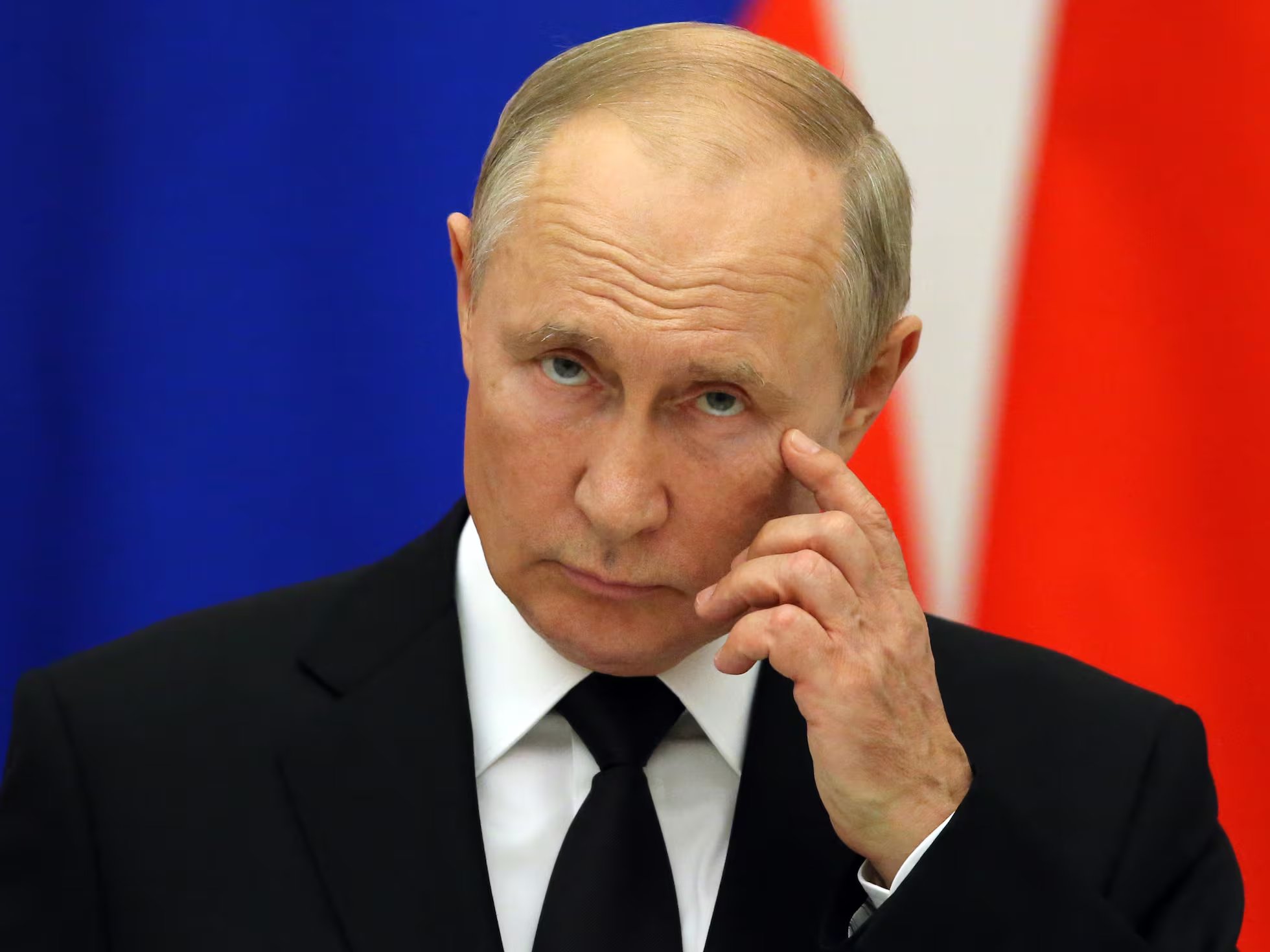
The Putin government seeks to secure the supply of gasoline and diesel in the domestic market