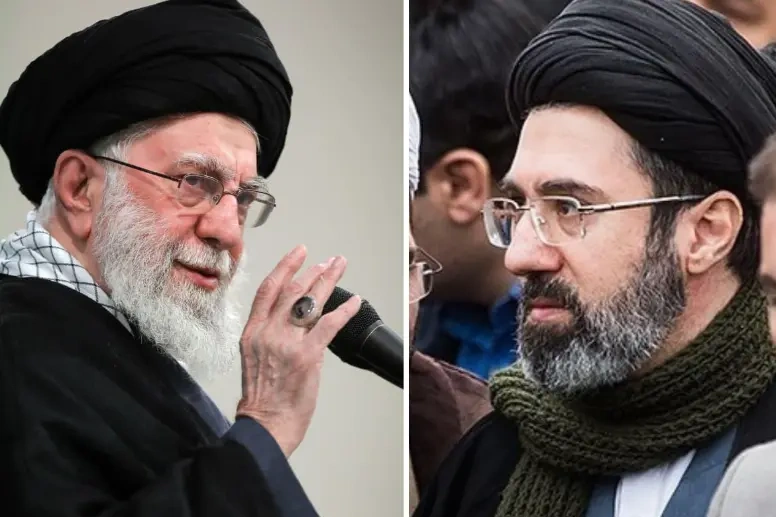
Consequently, the title of Ayatollah would have been obtained in an accelerated manner thanks to the political influence of his father. This point is particularly sensitive within the Iranian clerical system, where religious prestige and Islamic academic trajectory are often central elements to legitimize leadership
Tensions could also be related to the historical contradiction that their rise would entail. The 1979 Islamic revolution, which gave rise to the current regime, was largely justified as a reaction against the government of Mohammad Reza Pahlavi, the last monarch of Iran, accused by revolutionaries of maintaining
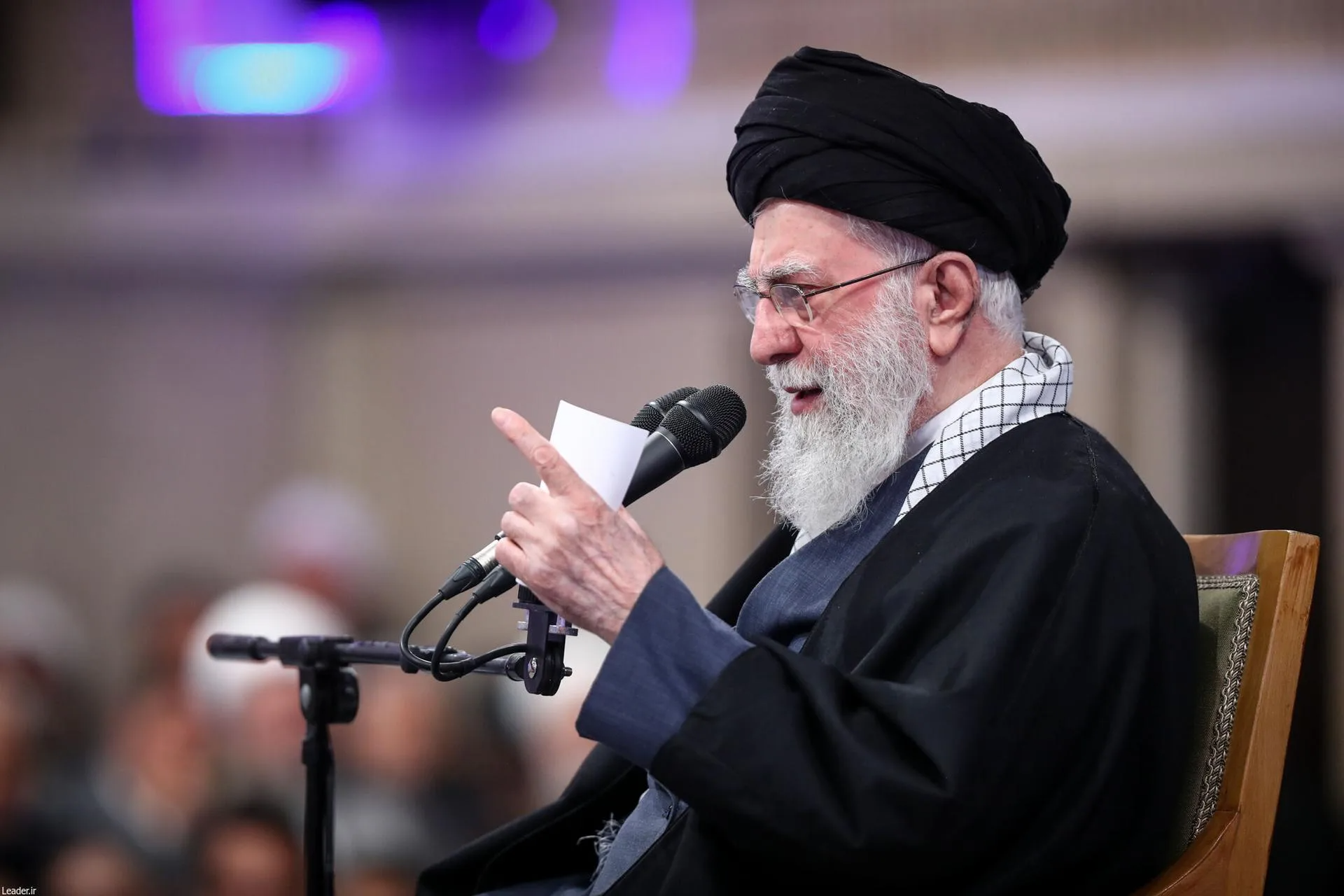
a hereditary and authoritarian monarchy. Ali Khamenei, former Iranian supreme leader.
For this reason, several clergy and religious sectors reject the possibility of the son of the deceased supreme leader inheriting power, which would entail reproducing a scheme of dynastic succession similar to the one that the regime itself
criticized for decades.
These discrepancies would explain why the appointment of the new Supreme Leader has not yet been clarified, in a context as necessary as the one in which the terrorist regime is experiencing.
At the same time, the delay in the official announcement reflects the internal fractures within the Iranian power apparatus and the difficulties faced by the regime in ensuring a conflict-free transition.
The transition of power in Iran is going through moments of uncertainty in the midst of the joint military offensive of the United States and Israel, and after the death of supreme leader Ali Khamenei
.
Although within the Islamic regime there would already be a consensus for his son, Mojtaba Khamenei, to assume the country's top leadership, the official announcement of his appointment continues to be delayed, exposing internal tensions within the Iranian power structure, more than a week after the elimination of his father.
Various versions indicate that Mojtaba Khamenei would already have the necessary votes to be proclaimed the new Supreme Leader of Iran, the most powerful position in the political system of the Islamic Republic. However, the regime has not yet publicly confirmed the decision, raising speculation about the reasons behind this delay
.
Possible reasons include the way in which your application would have been imposed. This is because the election of Mojtaba Khamenei would have been driven primarily by pressure from the Islamic Revolutionary Guard and not so much by his own merits within the country's
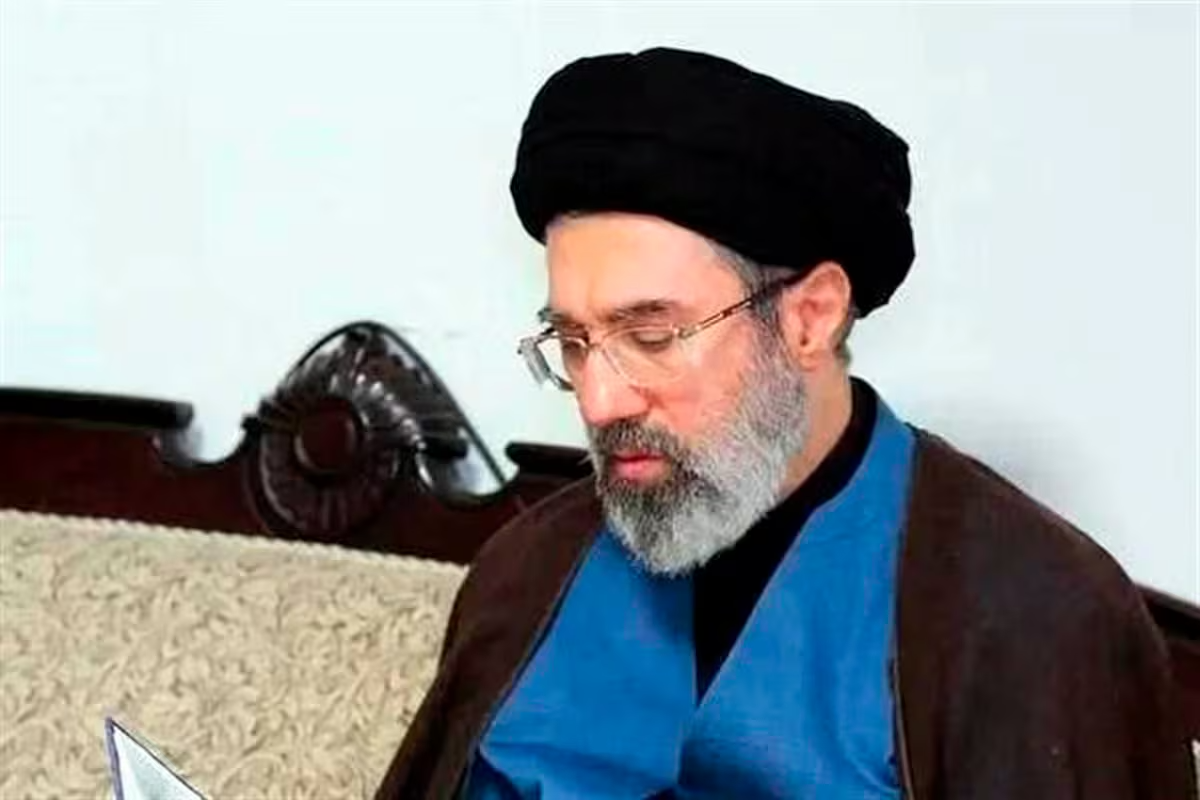
religious or political hierarchy. Mojtaba Khamenei
Another issue that raises questions within the Iranian clergy themselves is their religious background. Different sectors point out that Mojtaba Khamenei does not have the traditional academic rank required to occupy the highest spiritual leadership of the theocratic system