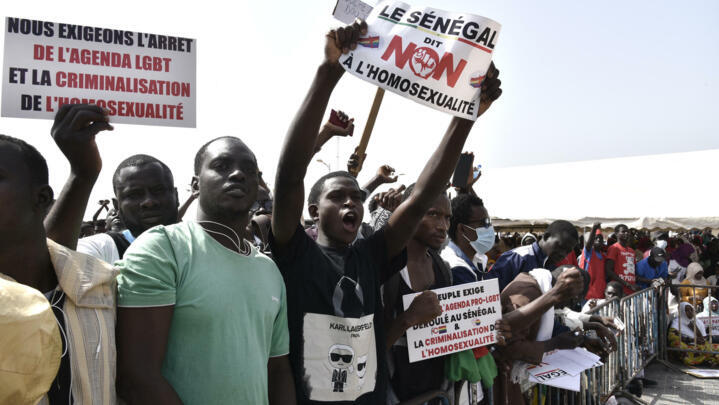

Senegal passed a law that toughens penalties against same-sex relationships, reignited the international debate on individual rights and the role of the Islamic religion in public life.
The measure, backed by a large parliamentary majority, increases sentences to between five and ten years in prison, and incorporates sanctions against those who promote or defend sexual diversity.
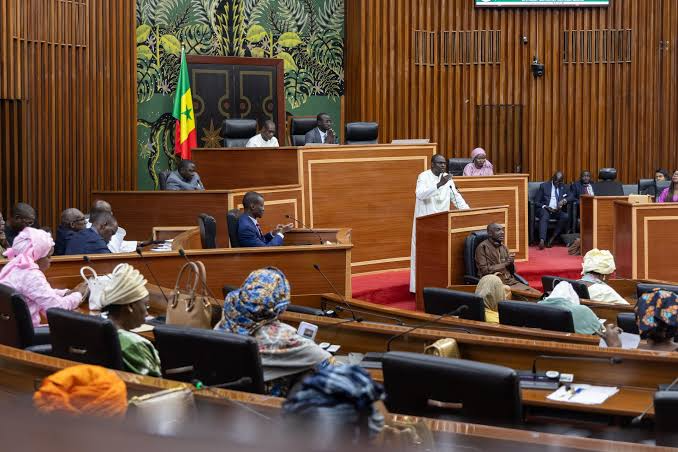
Far from representing an advance, reform is seen in much of the West as a setback in terms of civil liberties. While countries in Europe and America have made progress in protecting rights for sexual minorities, Senegal and other Islamic nations seem to consolidate a restrictive approach that limits the private sphere of their citizens and their freedoms
.The weight of Islamic religious traditions continues to be a determining factor in this type of decision. In Senegal, where religion occupies a central place in social and political life, conservative sectors have strongly influenced the drafting and approval of the law
.This situation reopens a broader discussion about the moral struggle between West and East over the conflict of internationally recognized individual rights.