
Israel and the United States stopped the Iranian nuclear advance with attacks on Natanz
porEditorial Team
Argentina
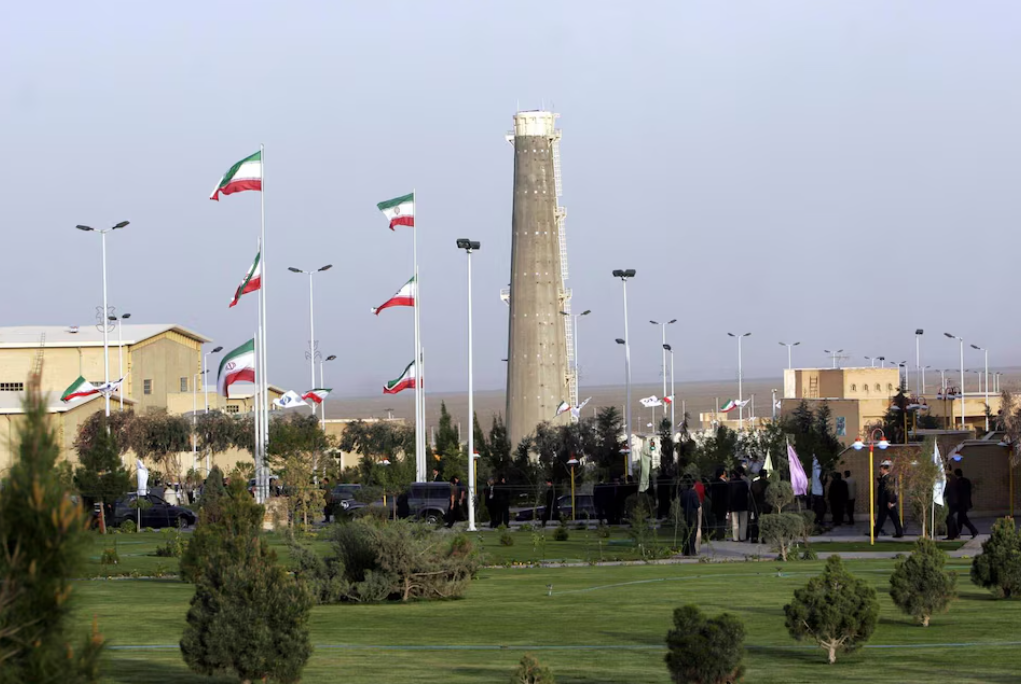
The UN confirmed damage to Natanz after coordinated attacks by Israel and the United States, without radiological danger
The International Atomic Energy Agency (IAEA) confirmed on Tuesday that access buildings to the Natanz uranium enrichment plant in Iran were recently damaged after military attacks, although it stressed that there is no radiological danger to the population or additional impact inside the facility.
The Natanz underground facility had already been “seriously damaged” during the offensive launched in June last year by Israel and the United States against theIranian nuclear program. This new confirmation supports previous reports that the attacks serve to weaken Iran's uranium enrichment capacity without causing external radiological
consequences.
Verifiable and non-radiological damage
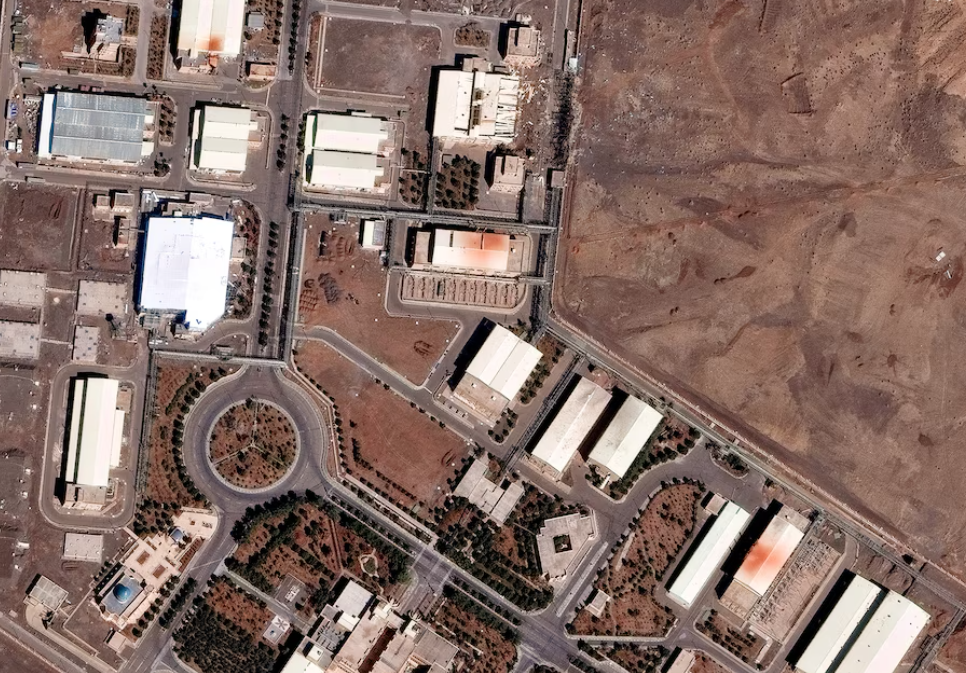
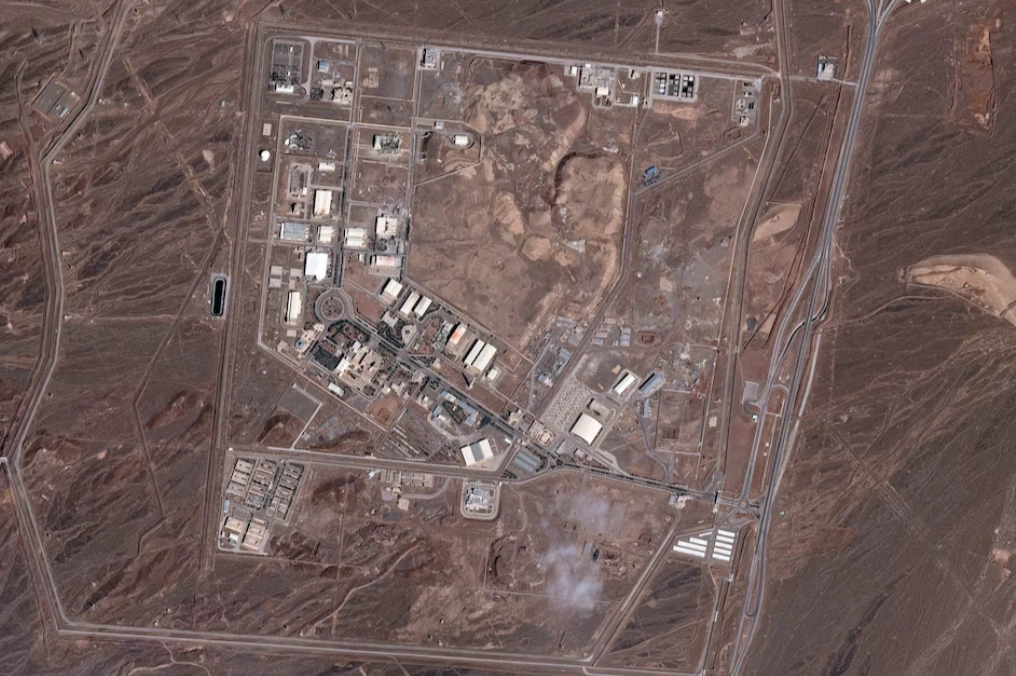
The UN nuclear agency assured that the assessments are based on recent satellite images, which show damage to buildings at the entrance to the Natanz underground complex. However, no additional effects were detected in underground areas where enrichment activities are carried out.
This coincides with official statements that have indicated that “radiological consequences” are not expected after these attacks. The damage is limited to external or support structures, reflecting that allied operations have succeeded in impacting the Iranian nuclear program without releasing dangerous radiation

into the environment. Image 1368941
Israel and the U.S. seek to curb Iran's nuclear program
Attacks on nuclear facilities such as Natanz are part of a larger campaign led by Israel and supported by the United States to neutralize Iran's nuclear enrichment capabilities. These operations have been defended by both countries as necessary measures to face Tehran's attempt to approach capabilities that could allow the construction of
nuclear weapons.
Iran denies, but loses credibility
.
While the Iranian regime has publicly denounced the bombings as illegal and aimed at civilian installations, independent assessments by the IAEA and experts indicate that the focus of the attacks has been infrastructure linked to uranium enrichment, an activity that, in the hands of Iran, poses proliferation risks
. Image 1368943
A strategic coup without environmental risk
The confirmation of damage by the IAEA and the absence of external radiological consequences reinforce the position that the military actions of Israel and the United States have achieved a significant tactical impact against the Iranian nuclear program without endangering public health or generating pollution outside the site
.
This type of operation sends a clear signal: Iran's nuclear capabilities continue to be subject to coordinated international pressure, and allies seek to prevent the Persian regime from achieving military nuclear capability, while minimizing risks for third countries and for the region in general.