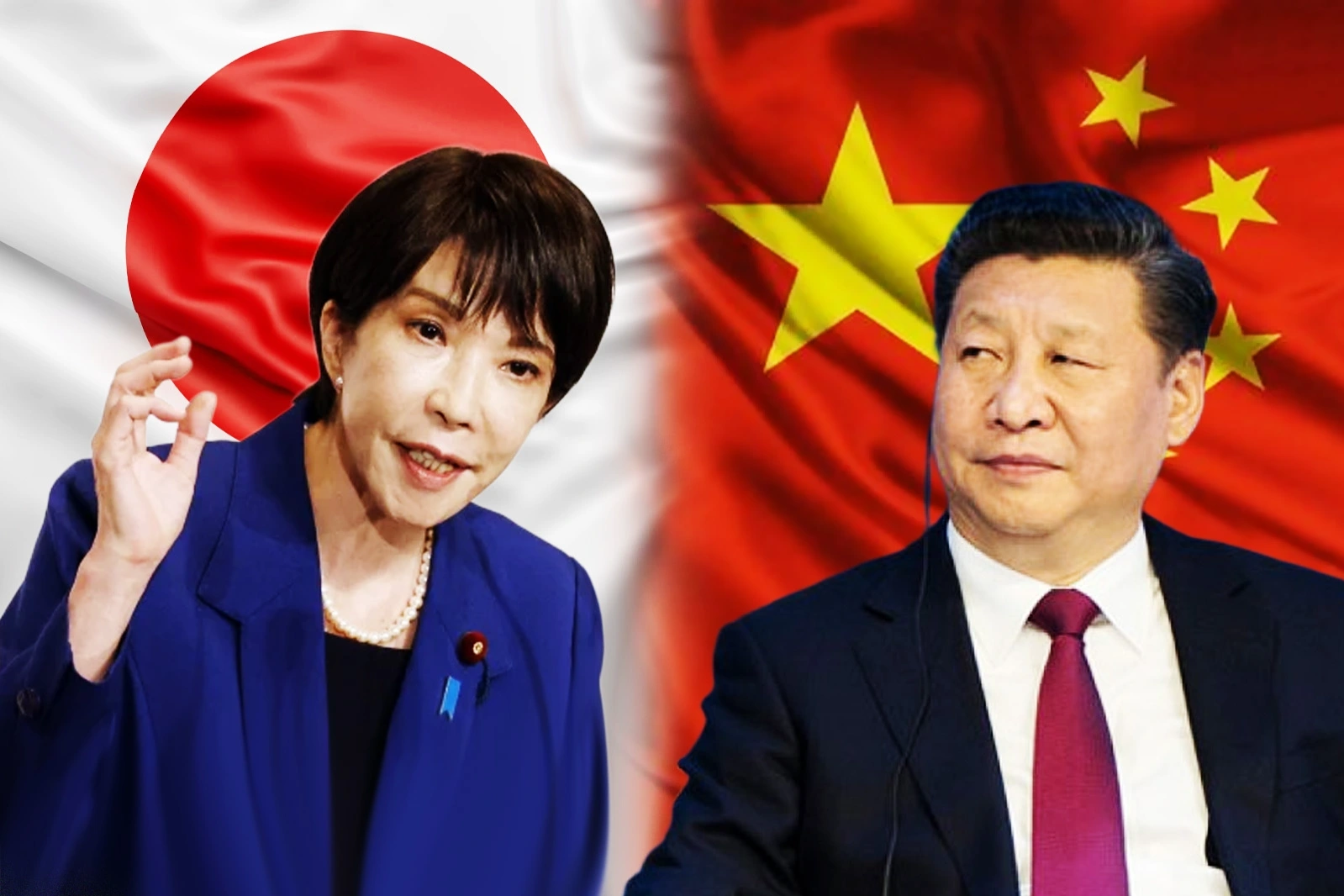
Tokyo described as “unacceptable” Beijing's decision to sanction legislator Keiji Furuya for his visit to Taiwan, in a new episode of diplomatic pressure in the region.
The recent diplomatic escalation between Japan and China once again highlighted the growing tensions in Asia following the decision of the Beijing regime to sanction a Japanese legislator for his support for Taiwan. Tokyo's response was not long in coming: it described the measure as “absolutely unacceptable”, in a new episode that reflects the tightening of
Chinese foreign policy.
The conflict originated after Japanese legislator Keiji Furuya visited Taiwan and held meetings with its authorities. In response, the Chinese regime announced sanctions that include a ban on entry into the country, as well as restrictions on any type of link with Chinese entities. Beijing justified the measure by accusing it of “collaborating with independence forces”, in line with its position of considering Taiwan as part
of its territory.
From Japan, the reaction was immediate. The government rejected the decision and demanded its revocation, arguing that it is a direct interference with the political activity of a democratic representative. In addition, Furuya himself defended his actions as part of legitimate international relations between actors that share political values, diminishing the practical impact
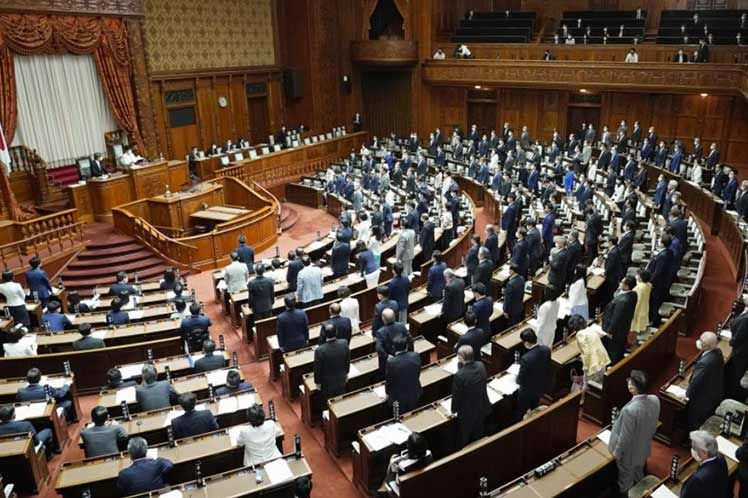
of the imposed sanctions. House of Representatives of Japan The episode is not isolated, but is part of a wider dynamic of pressure from China towards countries and figures that maintain ties with Taiwan.
In recent years, Beijing has increasingly resorted to sanctions, trade restrictions and diplomatic warnings as tools to discourage any international recognition
of the island.
At the same time, relations between Japan and China have been deteriorating since 2025, especially after statements by the Japanese government about a possible conflict over Taiwan. These tensions have resulted in reciprocal measures, including trade restrictions and security warnings, consolidating a scenario of
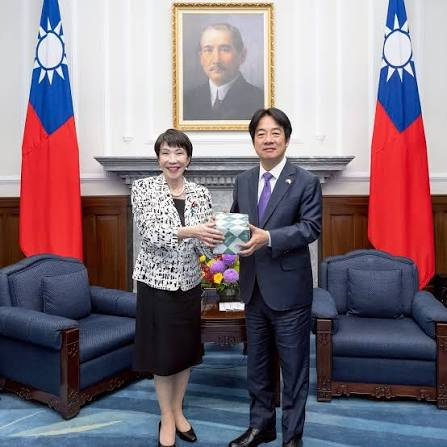
growing strategic rivalry. Japanese Prime Minister Sanae Takaichi with Taiwanese President Lai Ching-te
In this context, Japan's reaction marks a limit to this type of action. The defense of the political autonomy of its representatives and the continuity of ties with Taiwan reflect a position that seeks to sustain spaces of cooperation outside the direct influence ofBeijing
.
Thus, beyond the specific case, the episode once again highlights the use of sanctions as a tool of pressure by the Chinese government and the challenge that this poses for other countries in the region. The dispute not only involves two States, but it is embedded in a wider tension between political models and forms of international ties