
However, the key fact that many critics omitted is that:
Israel had asked to avoid mass religious gatherings throughout the Old City because of the risk of attack

The restrictions in Jerusalem were not an attack on religious freedom, but rather a direct response to Iranian missiles that hit sacred areas.






However, the key fact that many critics omitted is that:
Israel had asked to avoid mass religious gatherings throughout the Old City because of the risk of attack
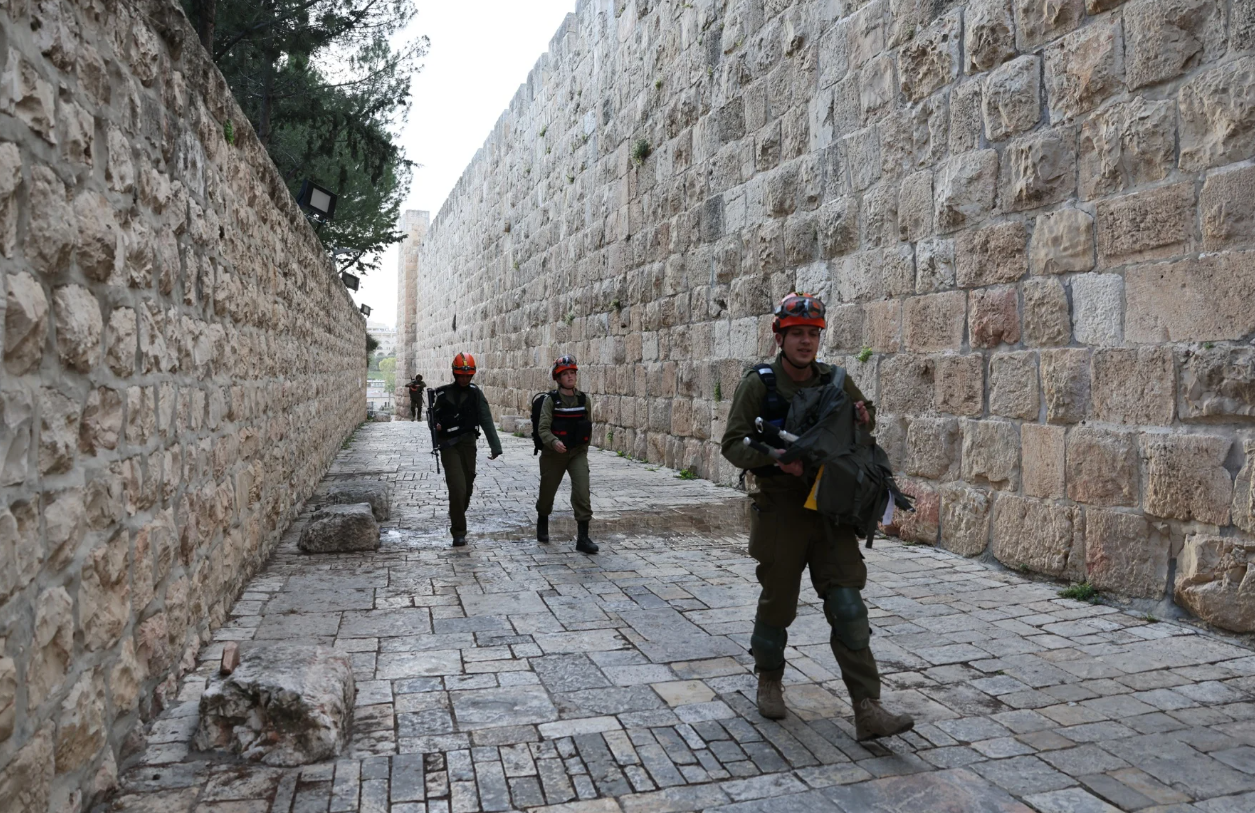
In the midst of an unprecedented war escalation in the Middle East, the Israel Police confirmed that Holy Week celebrations, including historical rituals such as the “Holy Fire”, will be held in a limited and symbolic way.
The decision, which generated criticism on social networks during Palm Sunday, has a specific reason: the real and constant threat of missile attacks from Iran.
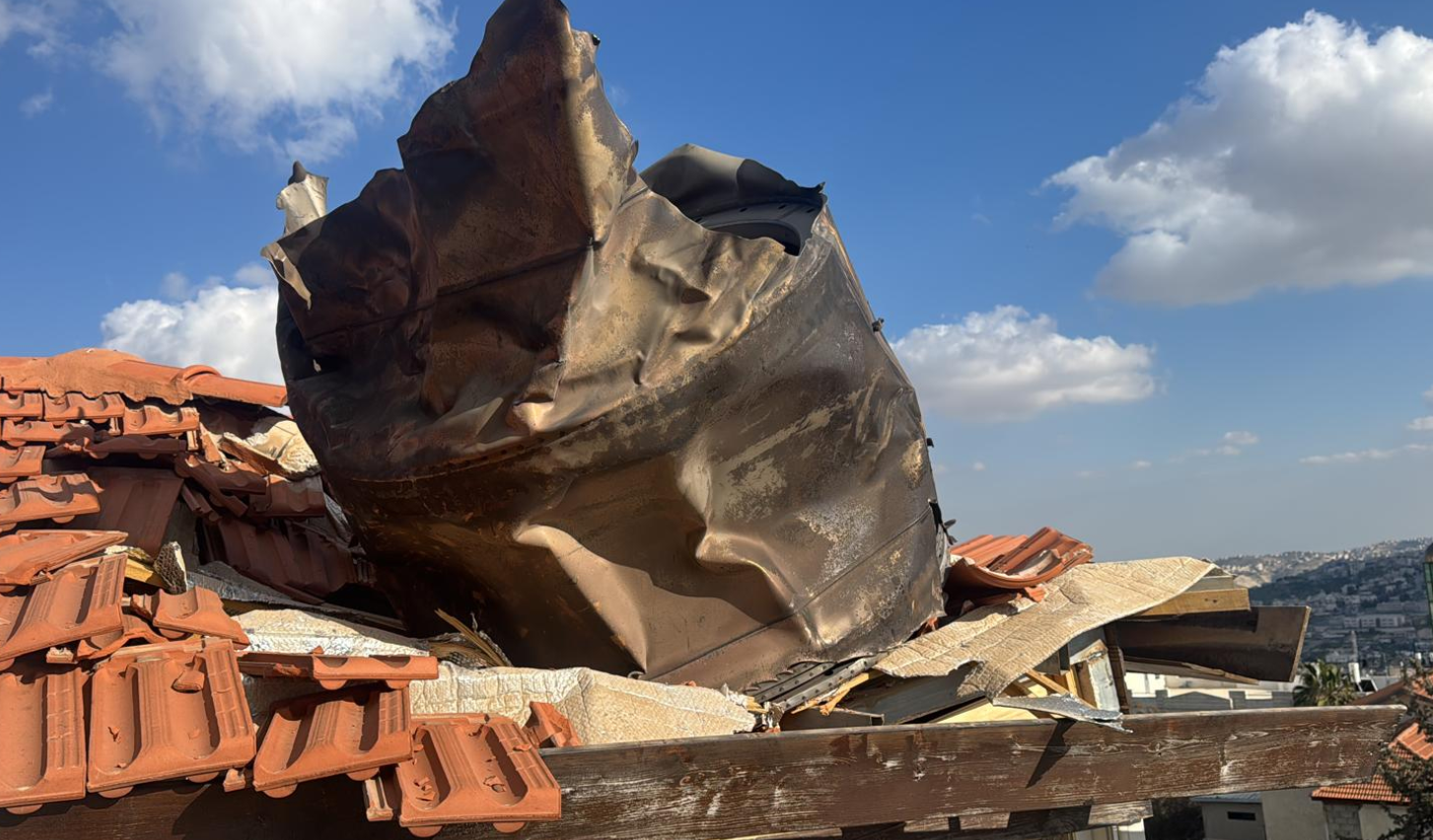
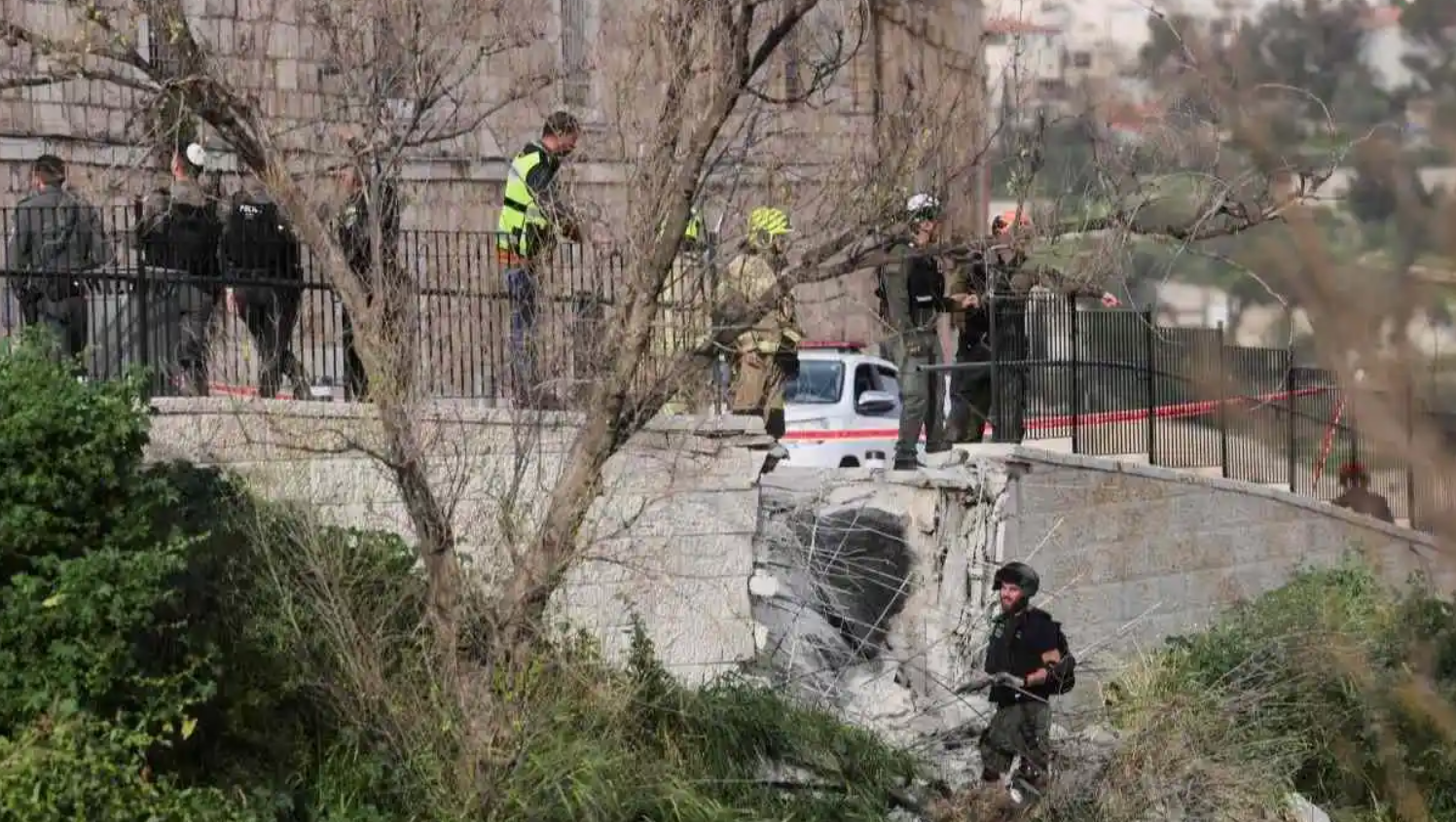
As explained by the authorities, in recent weeks projectiles and remains of interceptions hit directly inside the Old City of Jerusalem, one of the most sensitive religious areas in the world.
an arbitrary measure, the Israeli government made the decision after multiple episodes of direct risk: Fragments of
Iranian missiles fell meters away from places such as the Western Wall and the Esplanade of the Mosques.
There were impacts and debris inside the Old City itself.
The restrictions reached all religions: Jews, Muslims and Christians.
In that context, limiting mass gatherings was not a political decision, but rather a measure of survival.
The controversy erupted when Cardinal Pierbattista Pizzaballa was initially unable to enter the Holy Sepulchre
The measure responded to active and recent threats, not to a religious policy.
Even then, the government itself intervened to guarantee religious access under safe conditions.
While accusations against Israel multiplied on social networks for alleged restrictions on religious freedom, the facts show a very different scenario: There is a
war going on after the military operation against Iran that began in February 2026.
Iran launched hundreds of missiles into Israeli territory.
Some of these attacks hit areas close to major religious sites in the world.
In that framework, allowing mass agglomerations without protection would have been
directly irresponsible.


