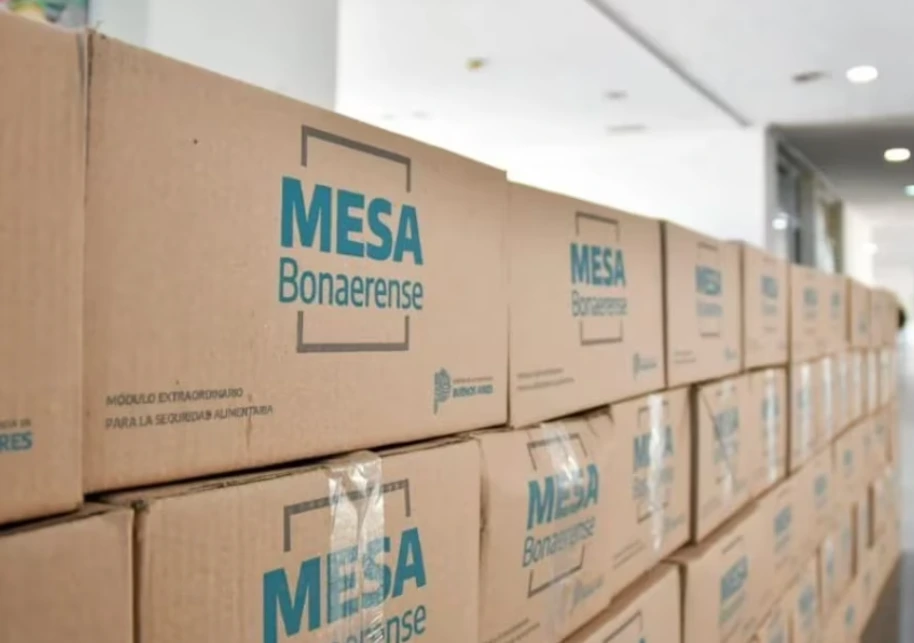

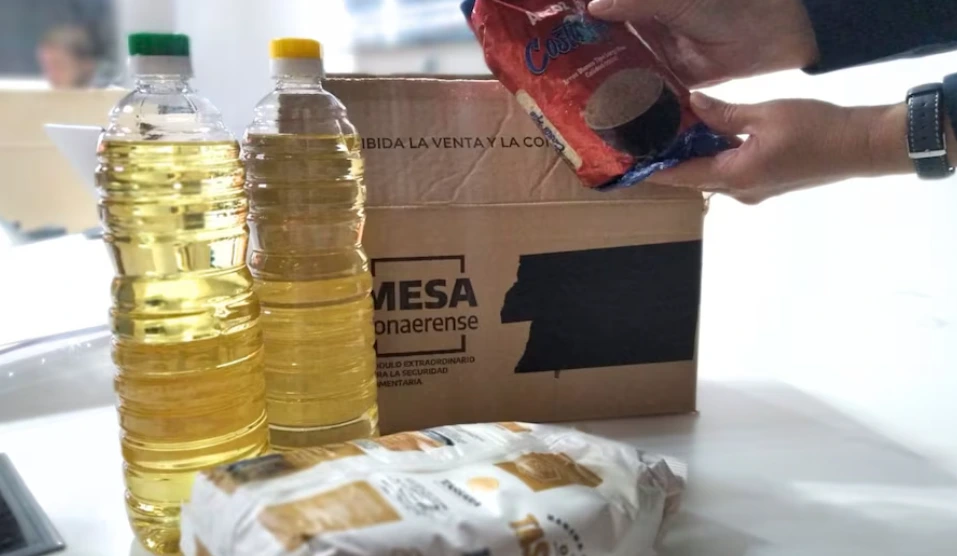
The Plan Mesa program, which was created to assist families in Buenos Aires, now delivers less food than in the beginning. According to the survey published by Infobae, the box went from around 15 products to
just 9.It currently includes a dozen eggs, rice, oil, flour, milk, crushed tomato, lentils, peas and yeast. In its first versions, the scheme was broader: it duplicated basic products and incorporated greater variety
.The fall is not marginal. It's a direct cut in the amount of food thousands of families receive
.The official justification: lack of funds and inflation
The administration of Axel Kicillof maintains that the reduction is due to two factors: inflation and the lack of transfers from the national
government.They even raise millions of dollars in debt linked to school food funding and recognize that the budget was “liquefied”.
However, the report itself shows that the reinforcements implemented are not enough to compensate for the loss in quantity and quality of food.
The contrast: millions in official guidelines While
the Province adjusts for food, spending on official advertising remains high
.According to different budget reports and expenditure executions, the province of Buenos Aires allocates tens of billions of pesos a year in official guidelines, with allocations that in recent years far exceeded $30 billion annually in communication and advertising.
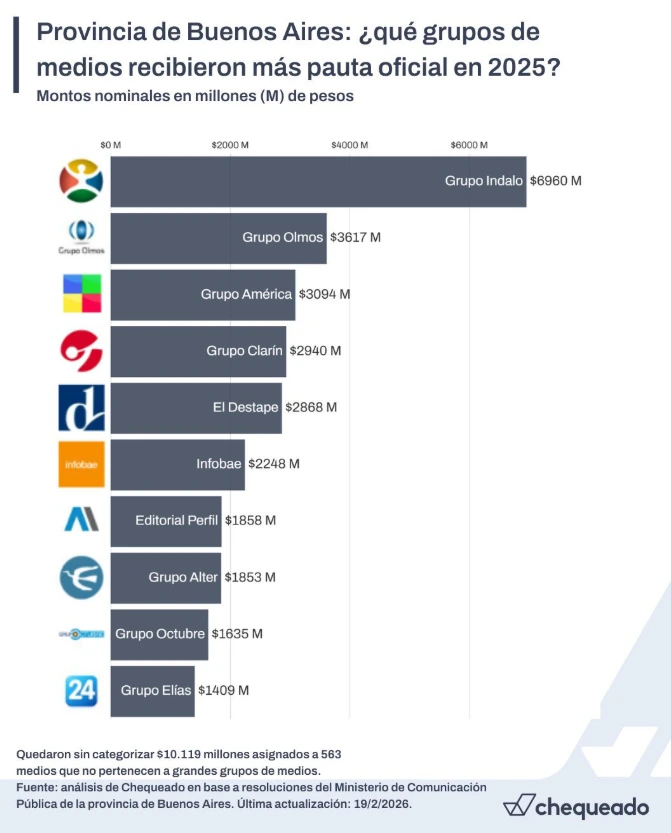
This volume of resources coexists with the cut in sensitive programs such as
the Mesa Plan.The contrast is direct: