The governor of Chaco, Leandro Zdero, sent to the provincial Legislature a draft of constitutional reform focusing on investment protection and fiscal stability, in an initiative that seeks to incorporate a pro-market clause to avoid tax increases and arbitrary decisions.
However, the progress of the proposal, which seeks to end the decline and boost growth, faces resistance from Kirchnerism, which refuses to accompany the amendment.
The Chaco president's plan aims to modify the constitutional text through the amendment system, a mechanism that requires unanimity in the unicameral chamber.
This condition forces the ruling party to obtain the support of the opposition, dominated by Peronism that responds to Jorge Capitanich, something that for the time being appears to be a central obstacle.
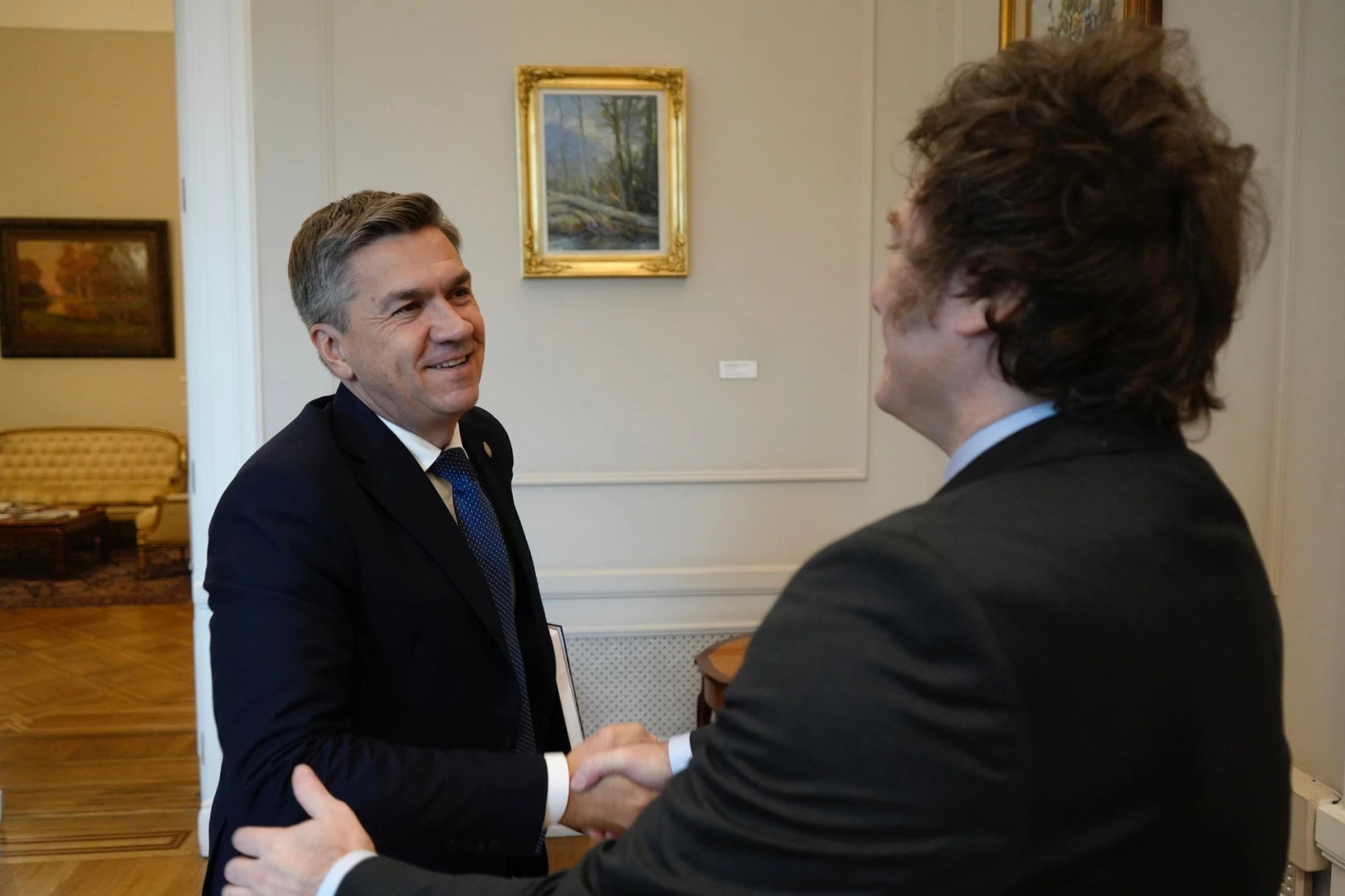
Javier Milei and Leandro Zdero.
The governor's initiative, an ally of President Javier Milei, seeks to generate predictability and favorable conditions to attract investment, in a context in which different provinces
compete for private capital.
The axis of the reform is the prohibition of creating new taxes or modifying the rules of the game arbitrarily, with the objective of consolidating a stable legal framework for economic activity.
The refusal of Kirchnerism
However, local Kirchnerism quickly came to question the proposal.
Provincial legislator Sebastián Benitez Molas, a leader in space and close to Capitanich, stated that the initiative supposedly “starts from a wrong diagnosis”.
The leader also linked the project to national economic policy, pointing out that it is “in line with the adjustment promoted by the government of Javier Milei”, which just ended the crisis inherited from Kirchnerism and generated great economic growth.
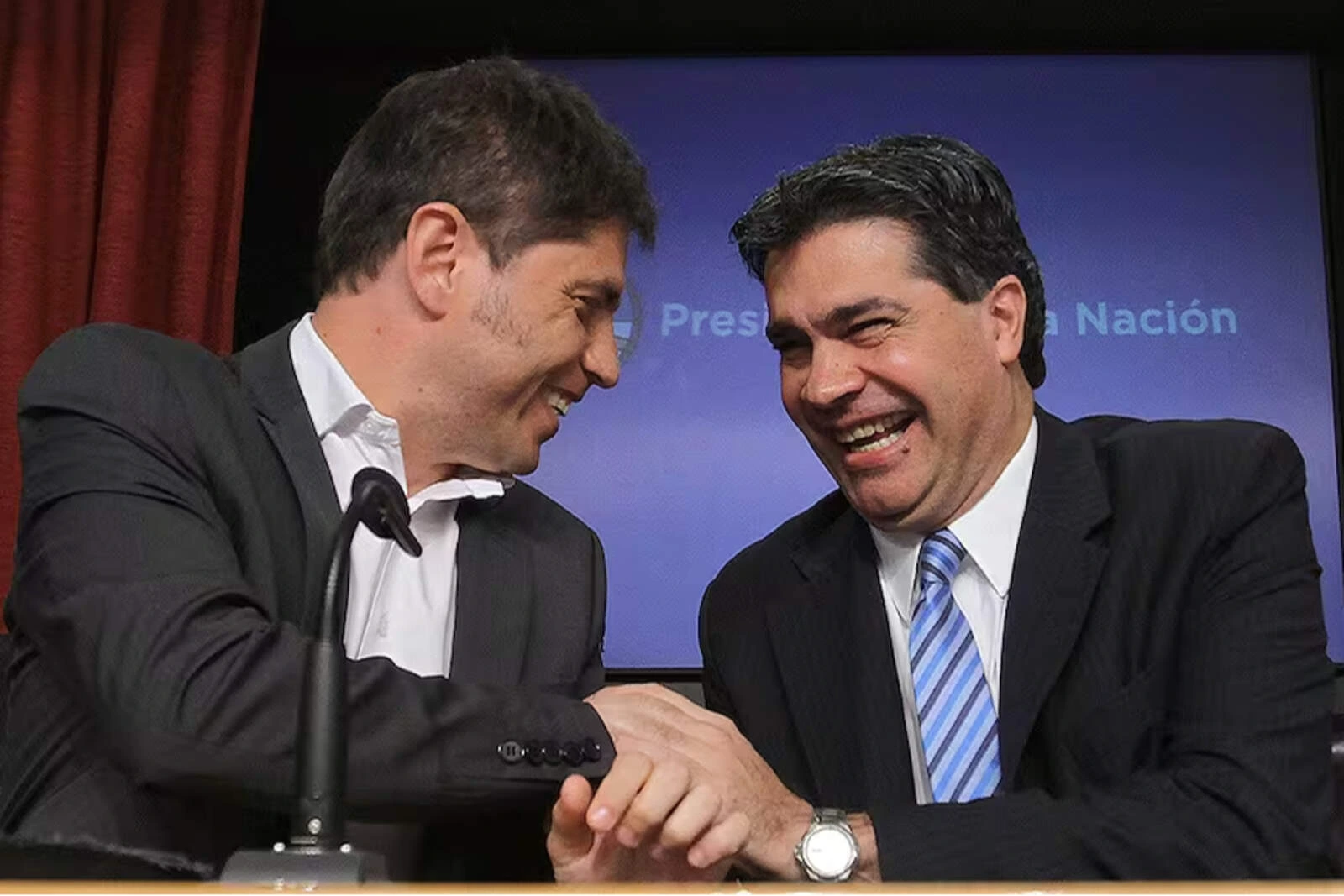
Axel Kicillof and Jorge Capitanich.
Benítez Molas, who maintains a close political relationship with Capitanich (he was his Secretary of Culture in Resistance and held positions during the Alberto Fernández administration), criticized that, according to him, “lowering taxes does not generate
investment or employment”.
Despite these objections, the Provincial Executive's project proposes a structural change in the province's economic approach, with a clear orientation towards the promotion of private activity and investment.
In this sense, the initiative seeks to leave behind Kirchner policies that failed to generate growth or prevent the deterioration of the productive framework.
Its main purpose is to guarantee legal security to investors, specifically protecting them against tax increases or the creation of new taxes that alter the conditions under which they decided to invest in the province.