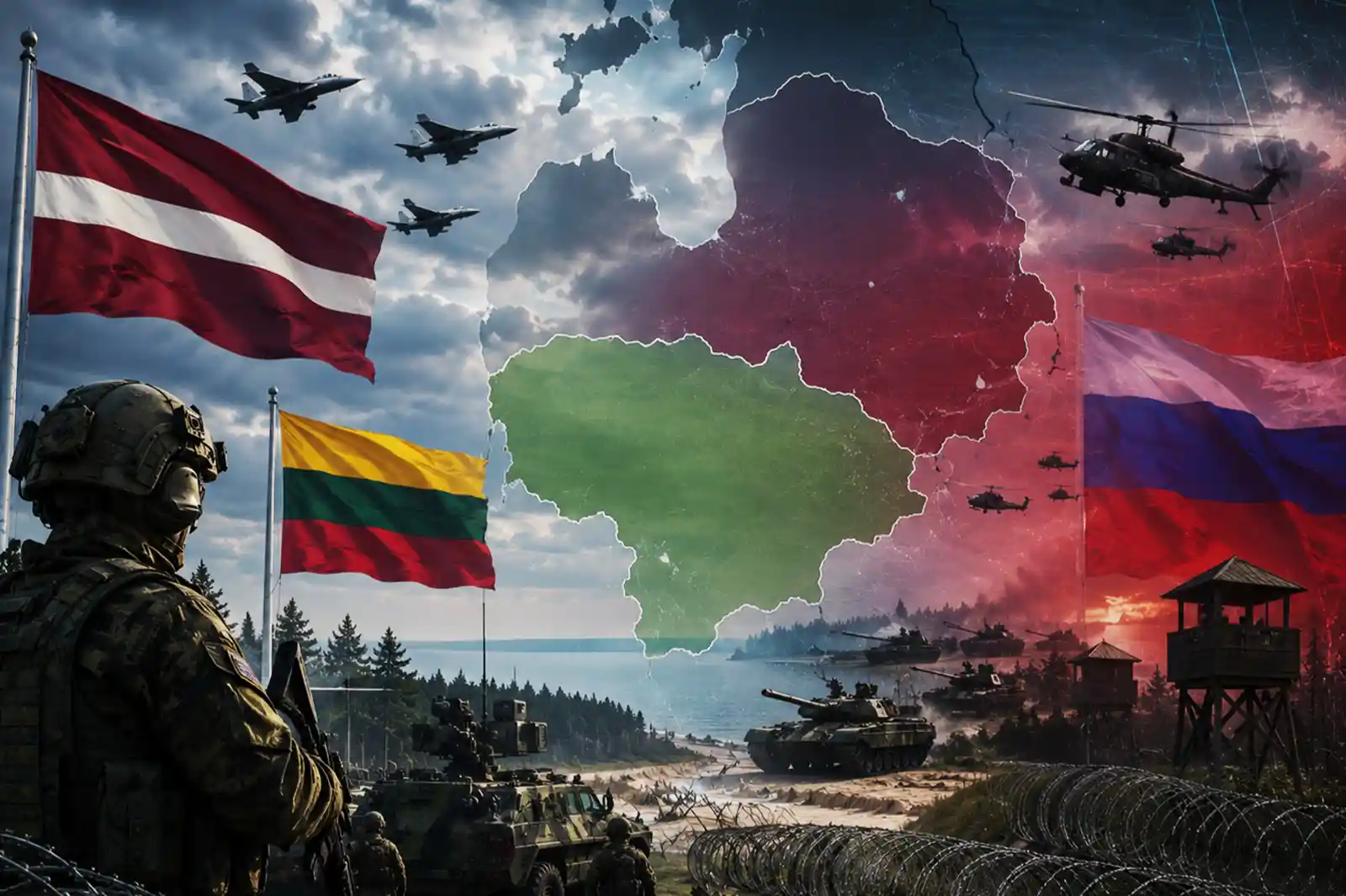











The Government of Latvia has decided to strengthen security measures at several strategic facilities in the country after receiving intelligence information pointing to the possibility that Russia is preparing operations against critical infrastructure in the Baltic region. The decision comes amid rising tensions between Moscow and NATO member countries, as the war in Ukraine continues.
Latvian Prime Minister Andris Kulbergs confirmed in an interview that authorities have increased surveillance at facilities deemed essential for national security. Among them is the large underground gas storage facility in Incukalns, one of the country's main energy reserves, as well as a hydroelectric power station located upstream from the capital, Riga.
According to Kulbergs, the government believes that the security situation has deteriorated due to the evolution of the conflict in Ukraine. In his view, the military difficulties faced by Russia on the front could increase the risk of the Kremlin resorting to hybrid or sabotage actions against neighboring countries as a way to achieve quick victories outside the battlefield.
The leader noted that, in this scenario, no possibility can be ruled out and that authorities are acting cautiously to protect facilities whose disruption could severely affect energy supply and other essential services in the country.
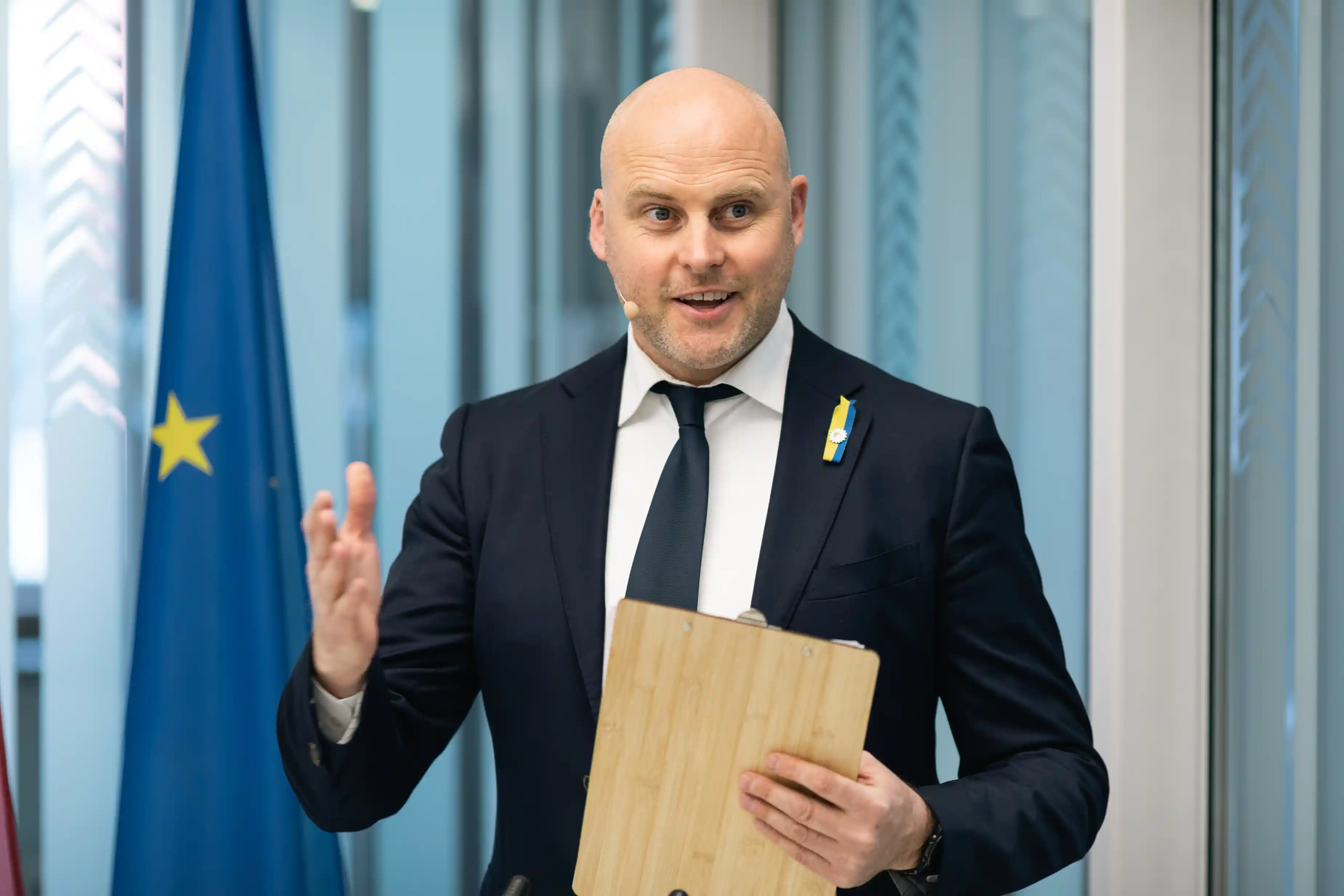
The measures adopted by Latvia come just days after leaders from the Baltic countries and Poland publicly warned that various Western intelligence agencies have detected signs of possible Russian plans to attack critical infrastructure in the region.
Although specific details remain classified, authorities believe that threats could materialize through sabotage operations, selective attacks, or hybrid actions aimed at generating instability without triggering a conventional military confrontation with NATO.
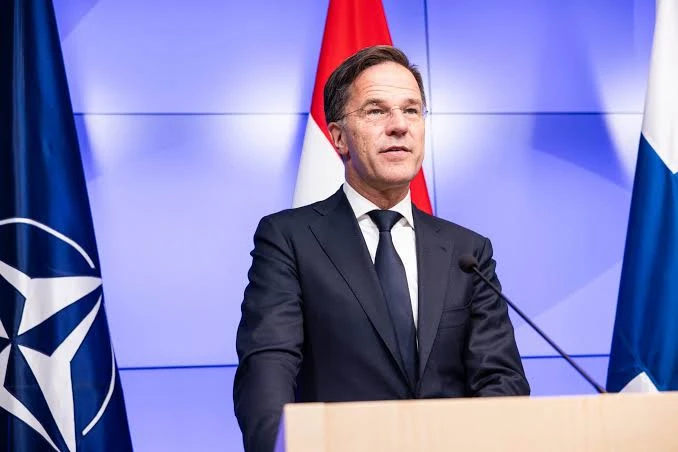
In light of this situation, Kulbergs revealed that he held talks with NATO Secretary General Mark Rutte, to whom he requested an increase in defensive capabilities deployed in the Baltic. Among the requests made are the deployment of more air defense systems and a greater number of allied troops to strengthen the eastern flank of the alliance.
Kulbergs took office as Prime Minister last month following the fall of the previous government. His predecessor, Evika Silina, resigned on May 14 amid strong criticism for the authorities' inability to prevent several drones from the conflict in Ukraine from entering Latvian airspace.
According to Kyiv, those devices were deliberately diverted by Russian electronic warfare systems, altering their original trajectory and causing them to accidentally enter the territory of neighboring countries.