These reforms respond to the government's need to contain economic deterioration, marked by inflation, food shortages and increased social discontent. In recent years, the island has experienced difficulties in maintaining its supply system, which forced adjustments to be implemented in
Despite the flexibility, the general framework of the Cuban economic system remains based on a centralized scheme, with limitations for the full expansion of the private sector. Reforms, in this sense, are interpreted as specific measures aimed at correcting specific flaws, without fundamentally modifying the structure of the model
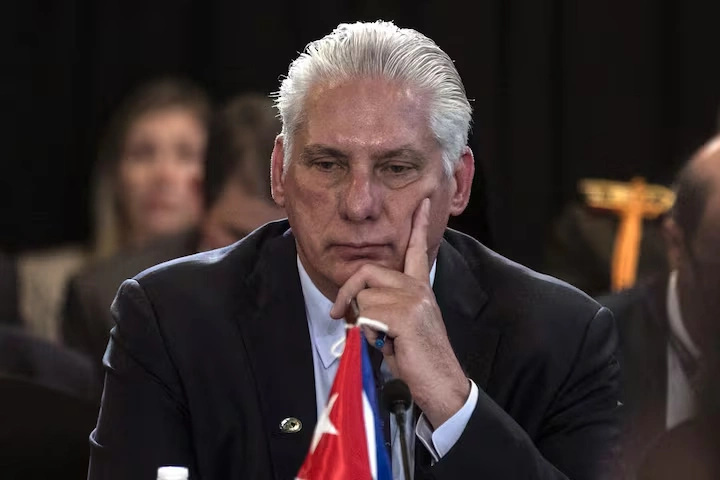
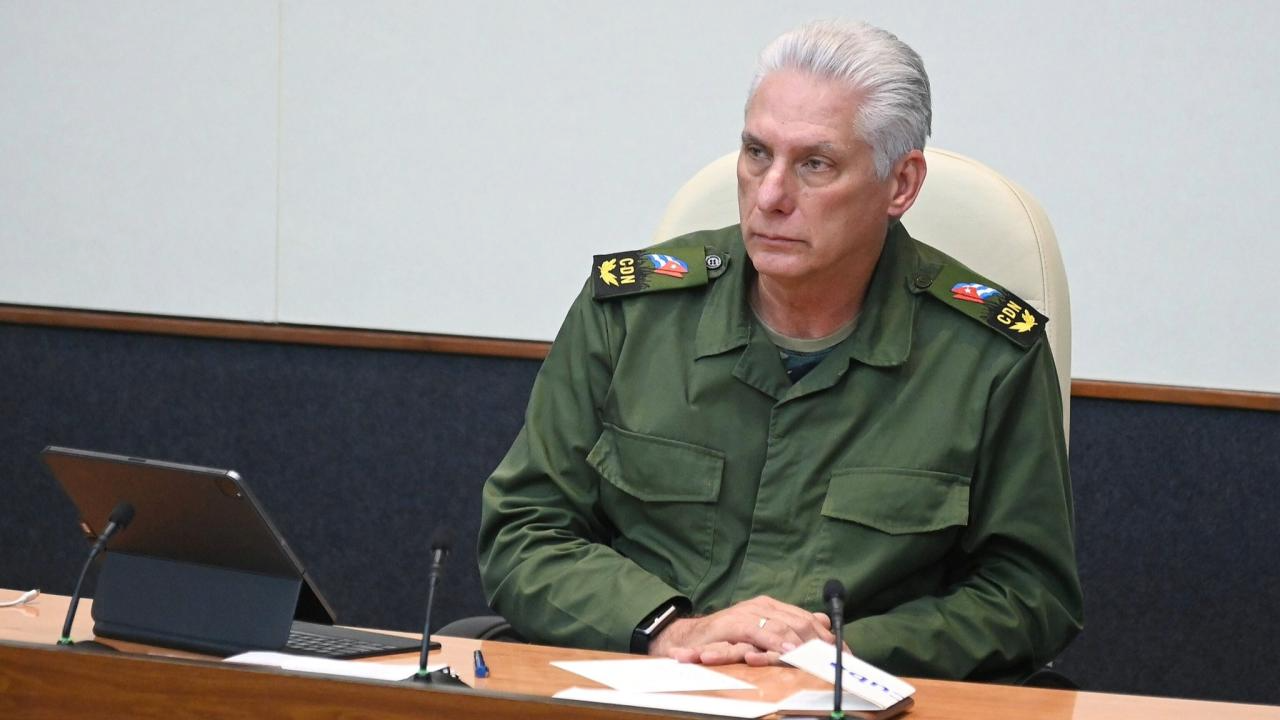
. The dictator of Cuba Miguel Díaz-Canel
The context in which these changes take place is marked by a sustained decline in agricultural production and by external restrictions affecting the ability to import food. Faced with this scenario, the Díaz-Canel dictatorship seeks alternatives to increase domestic supply and reduce pressure on the state distribution
system.
In this way, the partial opening of agricultural trade reflects an attempt to adapt to the crisis, in a country where state control of the economy has historically been predominant and where structural reforms are progressing in a limited way.
The Cuban regime headed by Miguel Díaz-Canelannounced a relaxation in the trade of agricultural products and the partial reopening of the sector to private initiative, in a context marked by a deep economic and productive crisis.
Cuban authorities authorized new forms of direct marketing between producers and private actors, in an attempt to improve food availability and ease tensions in domestic supply. The measure involves a reduction of certain state restrictions that historically limited the participation of the non-state sector in the agricultural economy
.
The Cuban agricultural system, characterized for decades by strong state control, has faced structural difficulties that resulted in low levels of production and scarcity of basic products. In this scenario, partial opening seeks to encourage production and facilitate the circulation of goods in local markets
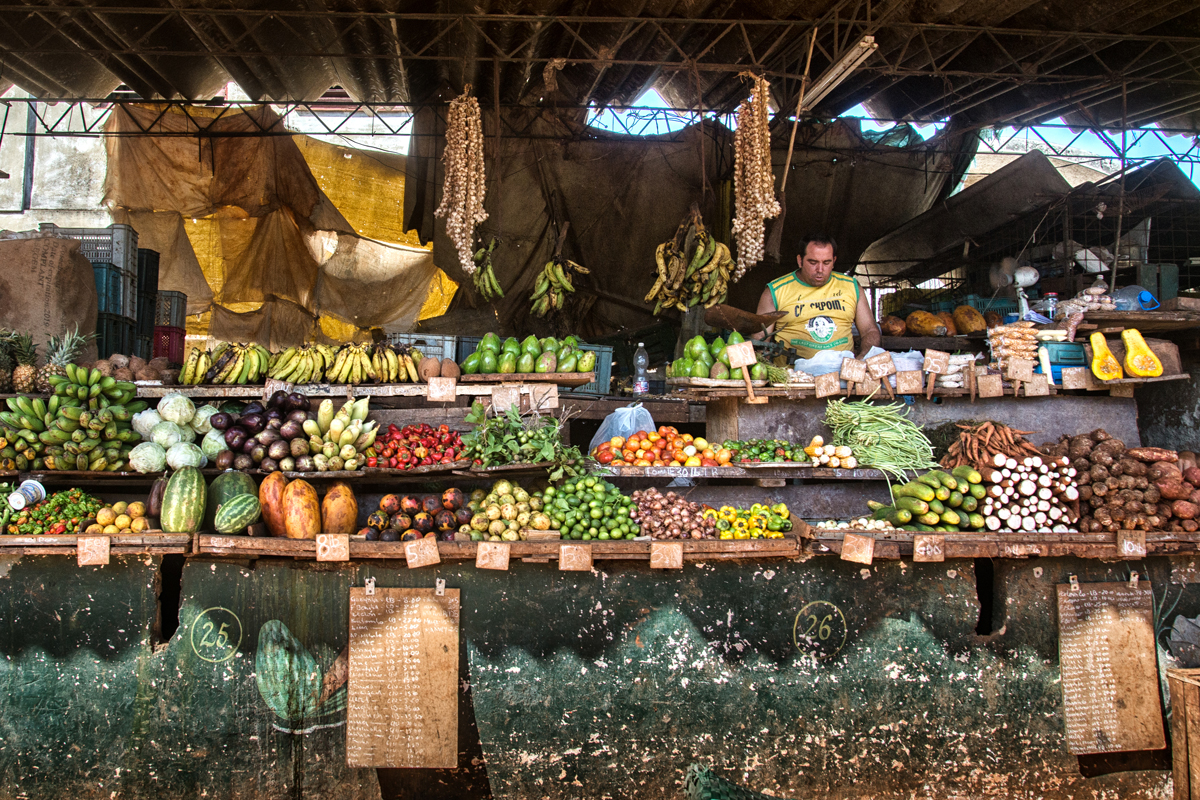
. Cuban agricultural market
The new provisions allow producers to sell part of their production directly, without necessarily going through state channels, which introduces changes in the traditional dynamics of the country's economic model. However, the State maintains a central role in regulating and supervising these activities.