Discovery onMars: they detect compounds that are key to the origin of life. The discovery rekindled the scientific debate over the possibility of past life on the
red planet.
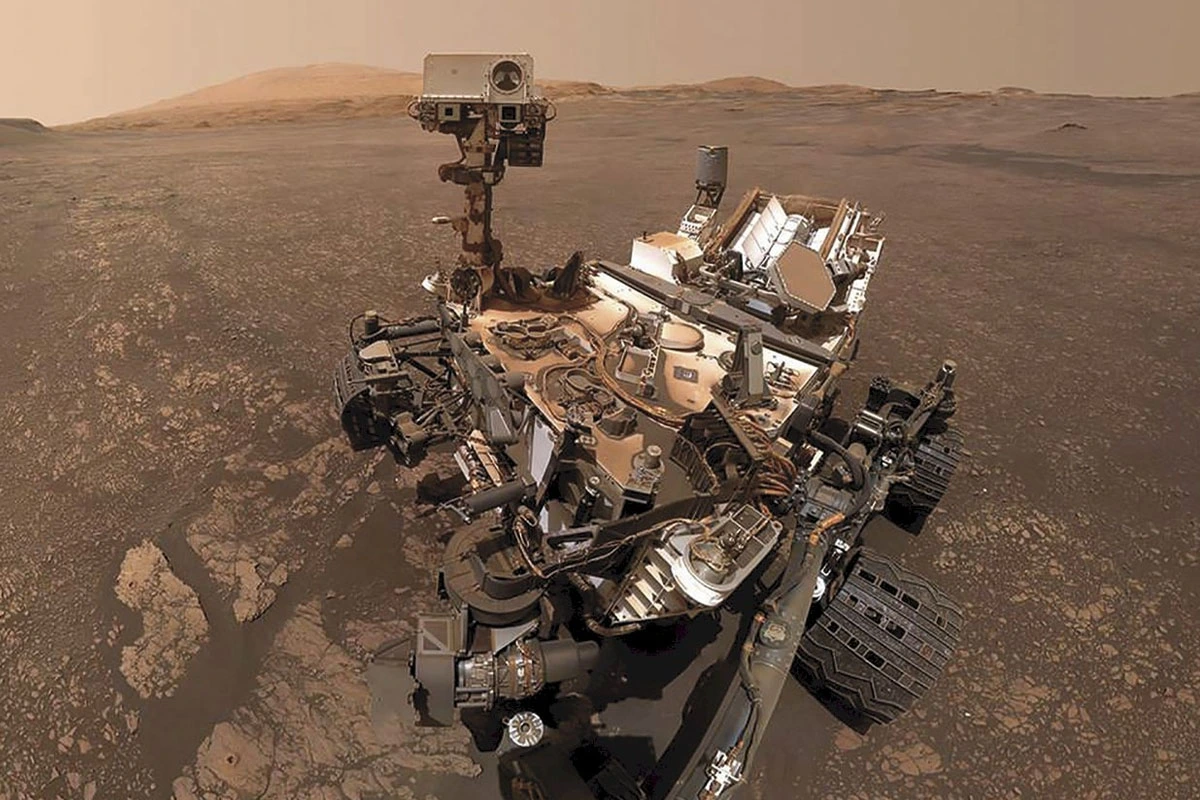
As reported by Space.com, NASA's Curiosity rover found a wide variety of organic molecules. These are compounds considered essential for the development of life on Earth.
Discovery on Mars: key compounds detected for the origin of life
What the Curiosity rover found on Mars
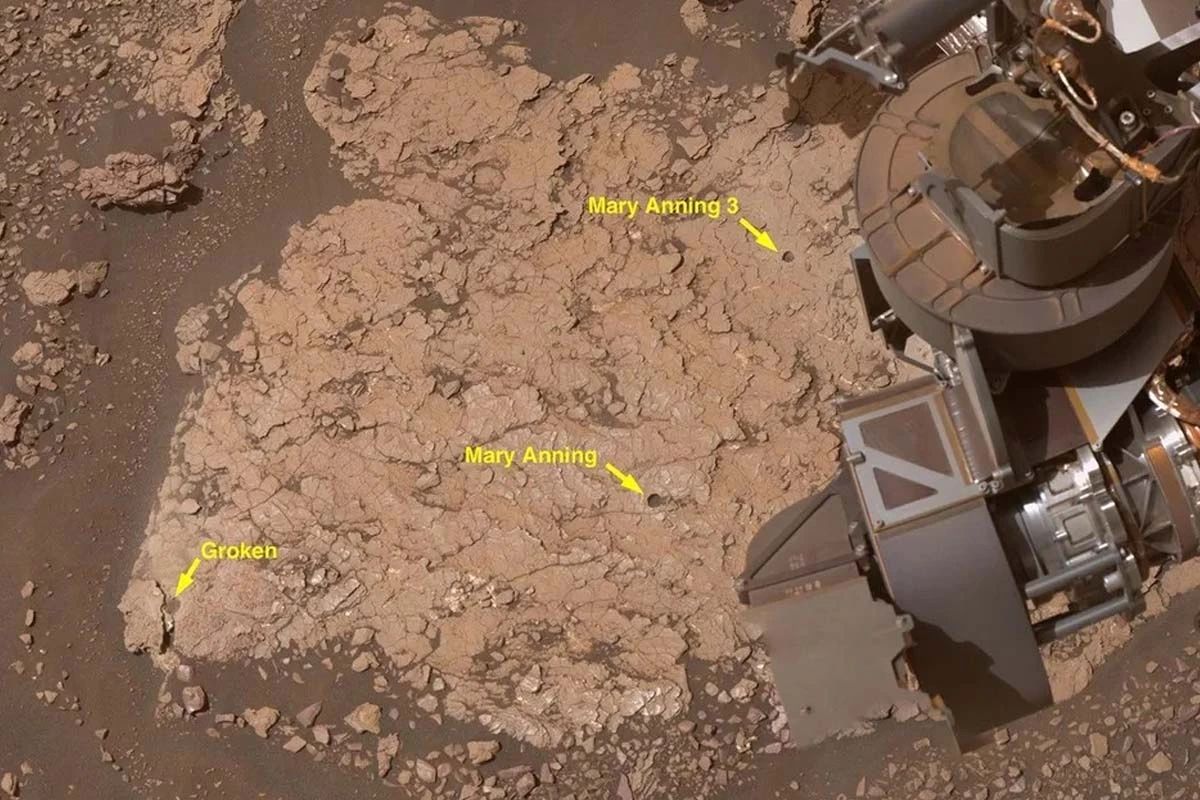
The rover detected more than 20 types of organic molecules. The discovery occurred in clayey rocks in Gale Crater
.
These compounds contain elements such as carbon, nitrogen, and sulfur. They are basic materials that, on Earth, are linked to the origin of life.
The study marks an important breakthrough in space exploration. This is the first time that this type of chemical experiment has been used on another planet.
What did the Curiosity rover find on Mars
How the discovery was made The
rover used the SAM (Sample Analysis at Mars) instrument. This system allows the analysis of chemical compounds in Martian soil
.
To detect the molecules, a special reagent called TMAH was used. This technique made it possible to identify complex compounds preserved for billions of years
. How the discovery was made
Is there life on Mars? What scientists say
Despite the finding, experts are cautious. It cannot be confirmed that these compounds come from living organisms.
The molecules could have been generated by geological processes. They could also have come from space, via meteorites
.
However, the discovery keeps the possibility open. Mars would have had conditions suitable for life in the past
. Is there life on Mars? What Scientists Say
An environment that could be habitable
The analyzed area, known as Glen Torridon, is rich in clay minerals. This type of environment tends to better preserve organic compounds.
Scientists believe that billions of years ago there could have been liquid water. This reinforces the hypothesis of a potentially habitable Mars
. An environment that could be habitable
What this discovery implies for the future
The finding expands knowledge about Martian chemistry. It also improves the tools for future missions.
According to the researchers, these data will help to design new instruments. The objective is to detect possible biosignatures on the red planet