The President of El Salvador, Nayib Bukele, announced that the Salvadoran ruling party has promoted a constitutional reform that allows the application of life imprisonment for those convicted of crimes of murder, rape or terrorism.
The proposal not only contemplates life imprisonment, but also amendments to juvenile criminal law and regulations against acts of terrorism. “More than six million Salvadorans support this process,” said Justice and Security Minister Gustavo Villatoro, who said the initiative seeks to strengthen penalties for serious crimes and consolidate
state control over internal security.
Today, El Salvador is presented as a unique case in the regional debate on security. Just seven years ago, the country was considered one of the most dangerous in the world, with one of the highest homicide rates per capita and criminal organizations that exercised strong territorial control. However, this scenario has begun to change in recent years, with the strengthening of the State and its security forces
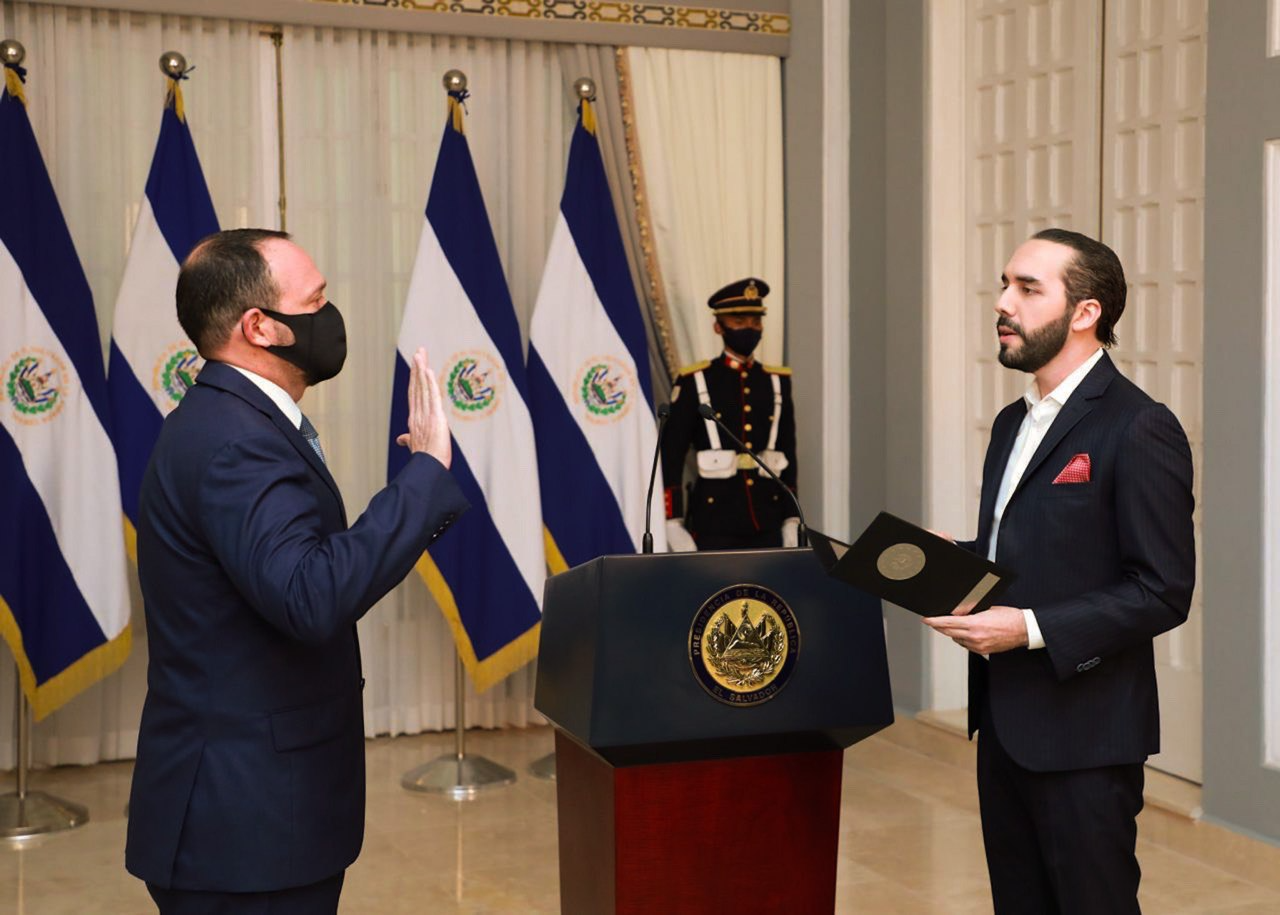
. Security Minister Gustavo Villatoro swearing in front of President Nayib Bukele
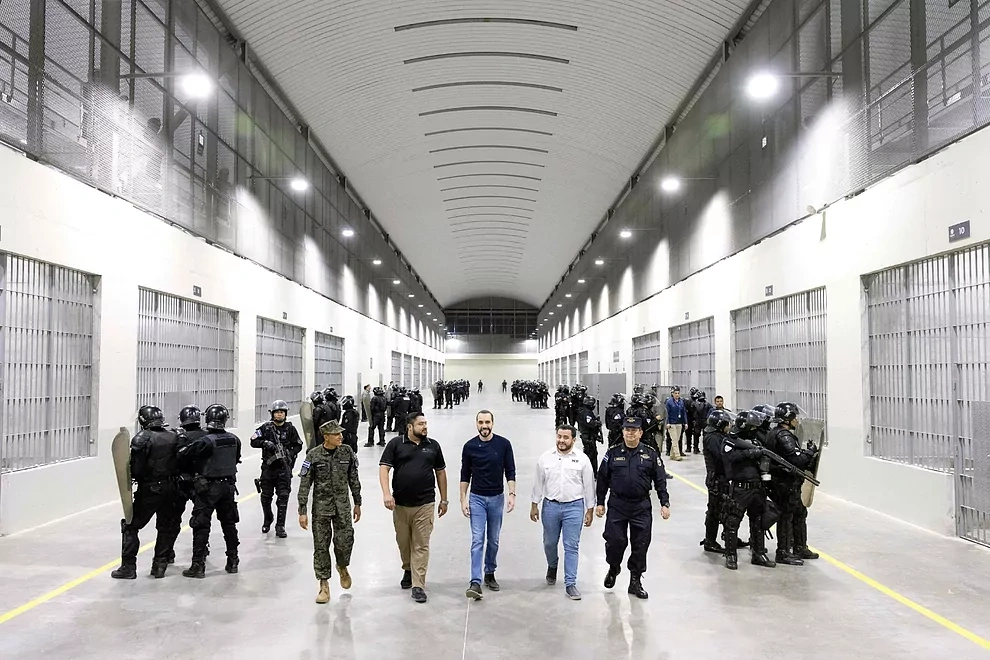
The offensive against organized crime allowed a significant reduction in violence. The homicide rate went from 38 per 100,000 inhabitants in 2019 to 1.3 in 2026, according to official figures. However, international human rights organizations have questioned the Bukele government for alleged abuses and conditions of detention in maximum security prisons
.
Faced with these criticisms, the president has maintained a firm stance and has maintained a high level of popular support both inside and outside the country. Bukele has accused some of these organizations of “defending criminals”, while maintaining that their policies prioritize victims
over perpetrators.
In that regard, Minister Villatoro also broadened his focus to the region. He noted that many of the legal limitations for dealing with violent crimes are not exclusive to El Salvador, but are repeated in different countries in Latin America
. Members of the criminal group Las Maras
The reforms promoted mainly target the so-called “gangs”, criminal organizations dedicated to drug trafficking, homicides and extortion. According to official data, these structures have been responsible for more than 12,000 deaths in the last two decades, consolidating themselves as one of the main security challenges for the country