The prices of clothing and appliances are currently experiencing a significant drop in real terms in Argentina, with levels reaching up to 50% below the general average of the economy.
This phenomenon is not due to a nominal price drop, but rather because these products increased much less than inflation, in a context of reforms and economic opening following the arrival of the Government of Javier Milei.
Claudio Caprarulo, director of the consulting firm Analytica, explained that this is a “strong change in relative prices,” a concept that refers to how much a good costs in relation to other products in the economy.
In this sense, he indicated that an item may be more expensive in nominal terms, but cheaper compared to other goods that have increased more.
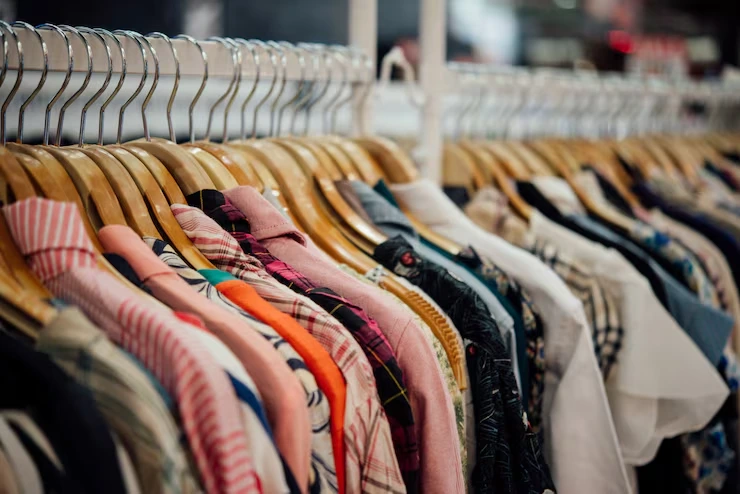
Clothing
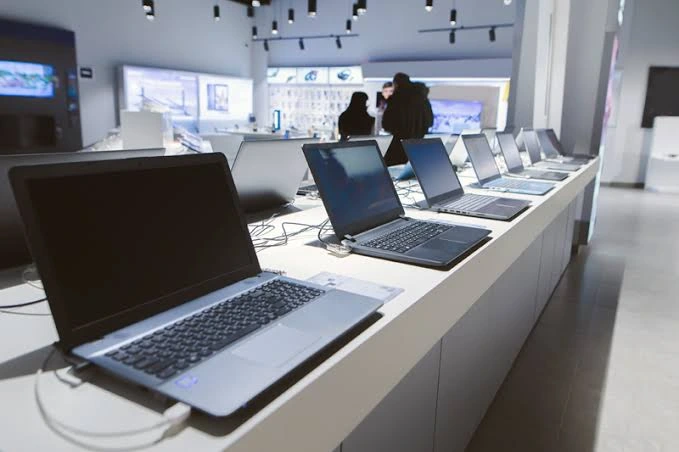
According to data collected by Analytica, clothing is currently 42% below the average price level of the economy, while appliances show an even greater difference, with values 57% lower in relative terms. Both categories thus reach their lows since at least 2012.
In terms of accessibility, the improvement is also significant. Buying an appliance is now 54.3% more accessible in relation to the average registered salary compared to November 2023, while in the case of clothing, the improvement reaches 36.8%.
“Since the arrival of the government, what happened was a very abrupt change in relative prices. What we saw is that the public service rates increased a lot. However, in relative terms, due to this opening of imports, the price of clothing and electronics fell significantly. In relative terms, compared to the rest of the prices in the economy, electronics and clothing are approximately 50% cheaper than they were before,” Caprarulo noted.
The economist also highlighted that this reduction in prices is not limited to purchases abroad, but also impacts the local market. “It is much cheaper to bring jeans from abroad than to buy them in the country, and even within the country, prices have fallen,” he stated, while emphasizing that the increased competition resulting from trade opening pressures internal prices downward.
Notebooks
One of the key factors behind this change is the growth of imports through courier services. In June 2026, this channel reached a record of USD 125 million, with a year-on-year increase of 73.8%. In the first half of the year, purchases through this channel totaled USD 643 million, representing a rise of 104.2% compared to the same period in 2025.
Currently, the volume imported through postal services accounts for about 40% of sales in categories such as clothing, electronics, sports items, furniture, and toys in shopping centers surveyed by INDEC, whereas in 2024 this share did not reach 10%.
“It is becoming easier to do it, and consumers are accessing more advantages in terms of price. And it is also a global trend: e-commerce is on the rise and is allowing, as certain trade restrictions are lifted, to also engage with the rest of the world,” Caprarulo concluded.
Thus, the private study confirms that, thanks to the reforms of Milei and the opening of imports, Argentine consumers can access goods that are much cheaper than in previous years.