Portugal is going through a turning point in its domestic politics as the country's right wing is moving forward with the revision of the gender identity law approved in 2018, a regulation that for years was described as permissive and lacking adequate controls.
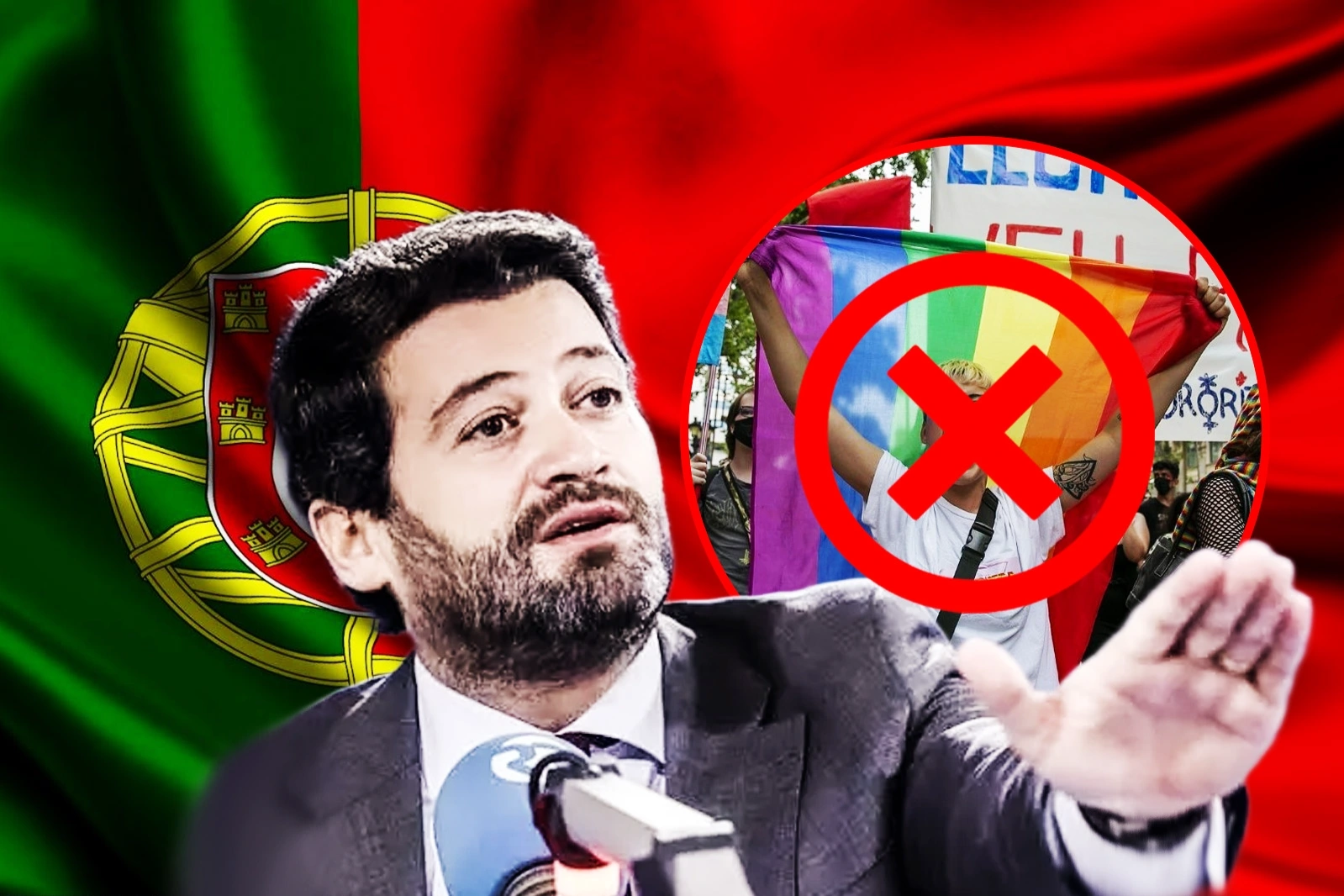
The new initiatives promoted by the Parliament by right-wing parties such as Chega! by André Ventura seek to introduce stricter criteria, in what the ruling party considers a necessary step to recover common sense in legislative matters and protect Portuguese youth
.
Among the main changes under discussion are the reintroduction of medical evaluations for gender registry changes and greater regulation of children's access to transitional treatment. These measures, far from being arbitrary, respond to a growing concern in Europe about the consequences of hasty decisions at an early age, especially when it comes
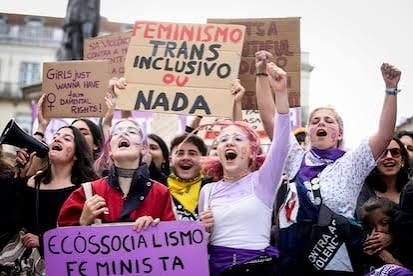
to potentially irreversible interventions. Demonstration of socialist feminists
From the Portuguese right, they argue that the legislation in force until now had been outdated in the face of the most recent scientific evidence and that, in its quest to impose an ideological agenda, it ended up weakening basic guarantees. In that sense, the reform aims to re-establish a more rigorous framework, where individual freedom is accompanied by responsibility and professional support
.
The criticism of some left-wing transsexual groups was not long in coming, with complaints about an alleged “setback”. However, the progress of these reforms also reflects a change in the country's political and social climate, where there is a growing rejection of regulations perceived as extreme or disconnected from reality. The consolidation of center-right forces in Parliament has been key to channeling this discontent into institutions
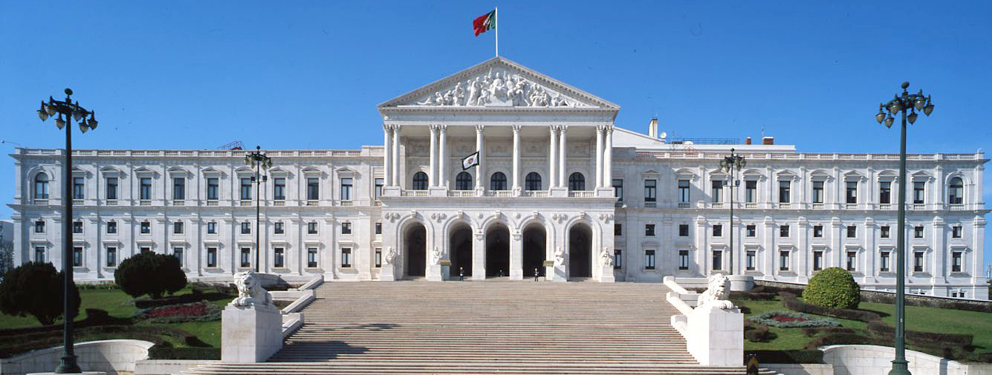
. Parliament of Portugal
Far from being a violation of rights, the current process highlights the healthy functioning of Portuguese democracy, which allows laws to be reviewed when they promote mental illness and threatens the innocence of the country's youth who can be taken to dark places by socialist ideological agendas
.
In short, Portugal seems to be moving towards a more balanced legislation, which prioritizes the protection of the most vulnerable sectors, especially minors, and which seeks to leave behind dogmatic leftist approaches to give rise to more prudent and sustainable public policies over time.