He also used his asylum status in Belgium to legitimate his claims, denying that he was corrupt, stating that “a corrupt person would not be given political asylum in Belgium”.
Political analysts have pointed to these statements as a sign of disrespect and lack of self-criticism. Political scientist César Febres-Cordero stressed that, instead of mobilizing a neutral electorate, Correa seems to focus on disqualifying it,
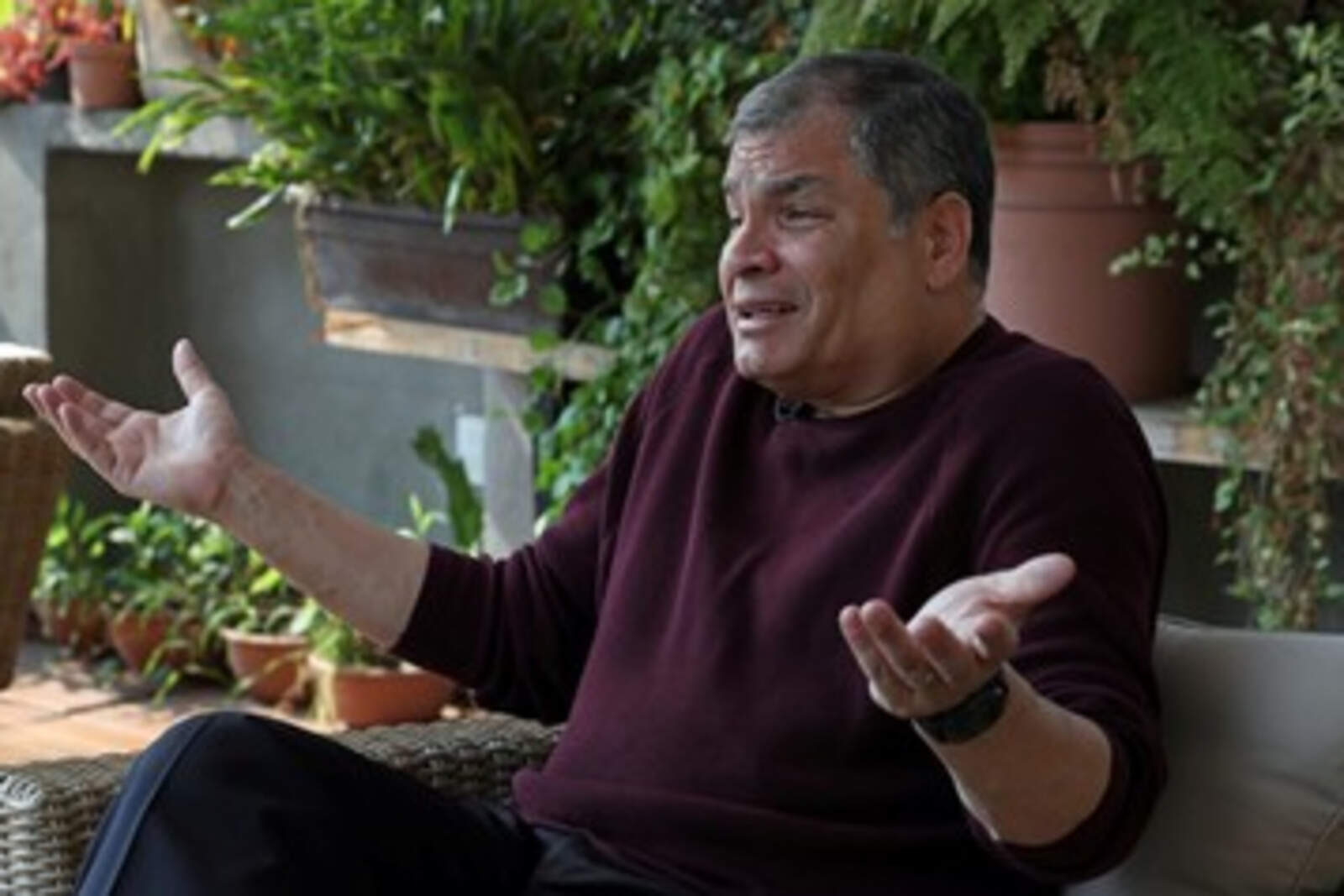
The former president of Ecuador, Rafael Correa, who was in asylum in Belgium after being convicted of corruption, generated controversy by blaming Ecuadorian voters for the crisis facing the country.
In an interview with “Radio Tú”, he stated that citizens are not only victims, but also accomplices in his tragedy by electing “improvised” and “charlatan” governments since he left power in 2017. These arrogant statements show an attempt by Correa to dissociate himself from responsibility for
current problems.
Correa, who ruled Ecuador for a decade, criticized voters for not analyzing the consequences of their decisions at the polls. “Don't expect paternalism on my part,” he said, accusing them of electing leaders unable to manage the country's structural crises, such as insecurity, unemployment and the
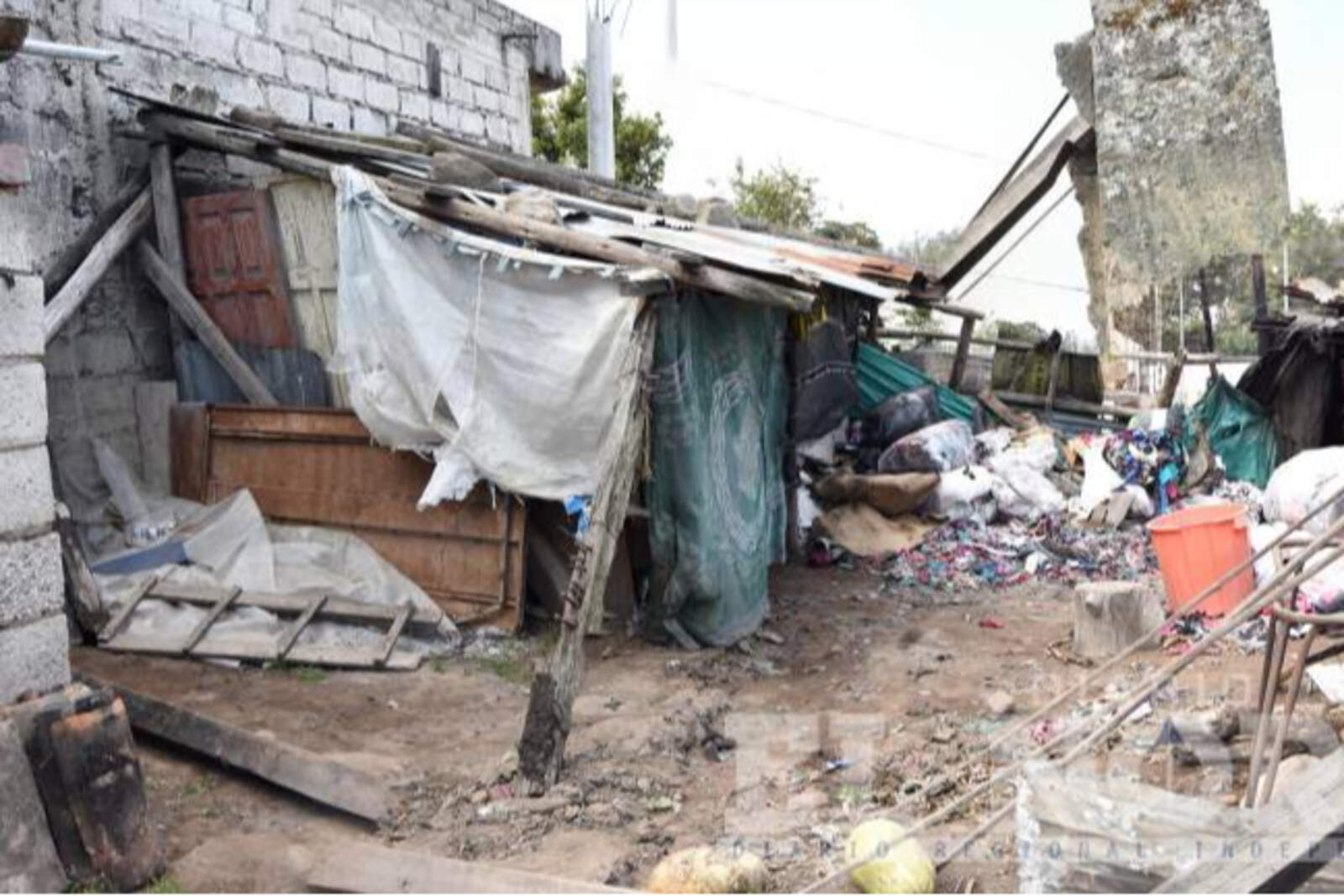
energy crisis. During the governments of the communist Rafael Correa, poverty rates in Ecuador skyrocketed.
According to him, the principles that characterized his administration were abandoned by subsequent governments, even though it was his principles that led the South American country to a devastating situation.
Since leaving office, Correa and his party failed in the 2021 and 2023 presidential elections, although they came to the ballot both times. However, the former president blamed the successors and the electorate for “destroying the country” and perpetuating economic and
hindering any possibility of political reconciliation.
Correa's history of corruption, including his conviction for leading a bribery scheme to benefit his political movement, Alianza PAIS, remains a reference point in his nefarious legacy.
During his term in office, Ecuador accumulated foreign debt that still impacts public finances. These accusations have eroded their credibility and, for many, undermine their attempt to hold voters responsible for current problems
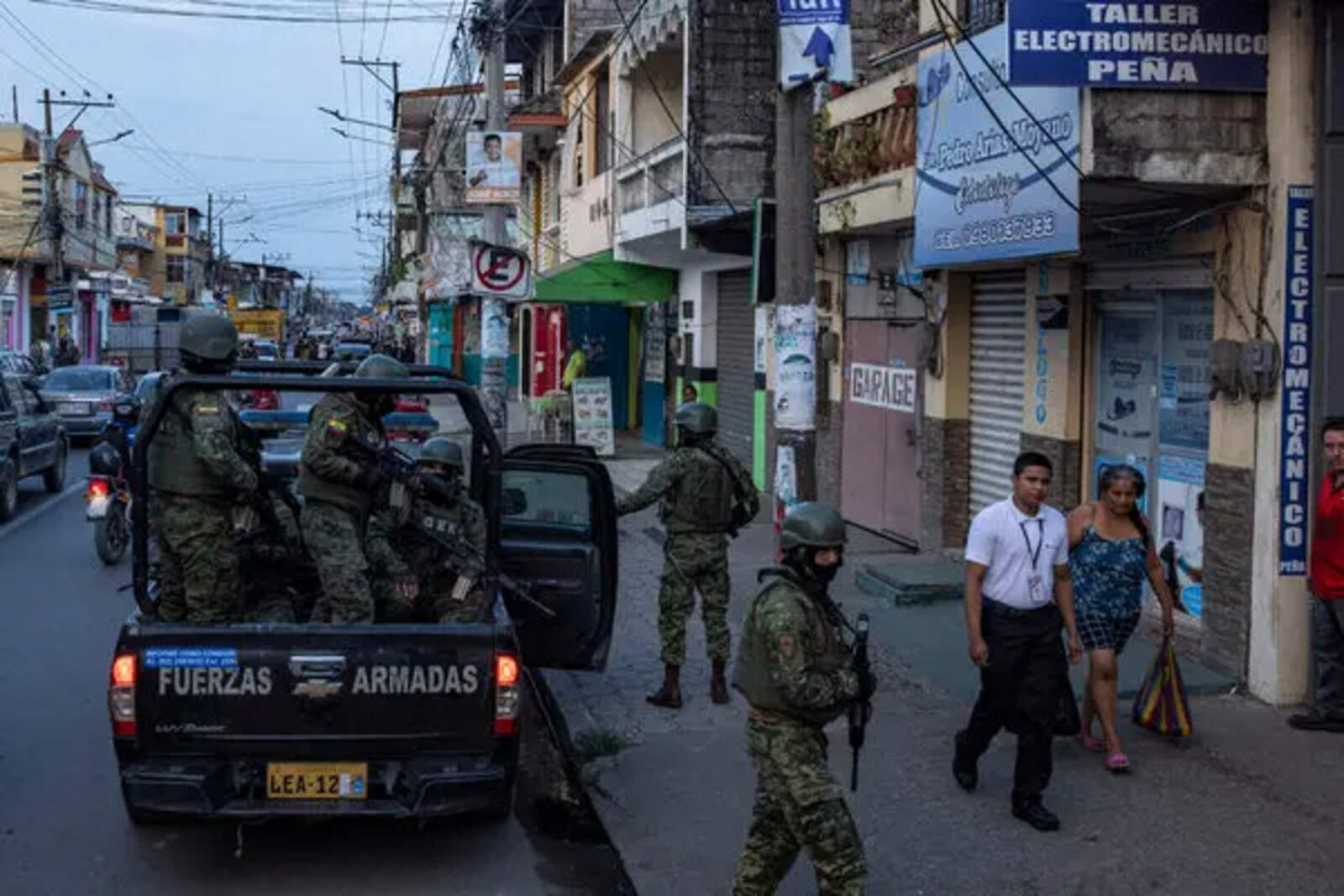
. Not only did poverty and indigence increase during Correa's term in office, but violence and drug trafficking were one of his greatest legacies.
In conclusion, Correa's controversial statements have deepened the debate about his role in the crises in Ecuador. His discourse, rather than mobilizing their ranks or generating consensus, is interpreted as an attack on citizens, reflecting a political strategy that prioritizes confrontation over