For its part, China, under the Xi Jinping regime, has reiterated its call for stability and for keeping strategic trade routes open, such as the Strait of Hormuz, a key for global energy transport, despite the fact that it has tried to circumvent the efforts of the United States to guarantee free movement in it. Beijing has also criticized measures promoted by the United States to restrict Iranian trade, considering that they affect international economic security
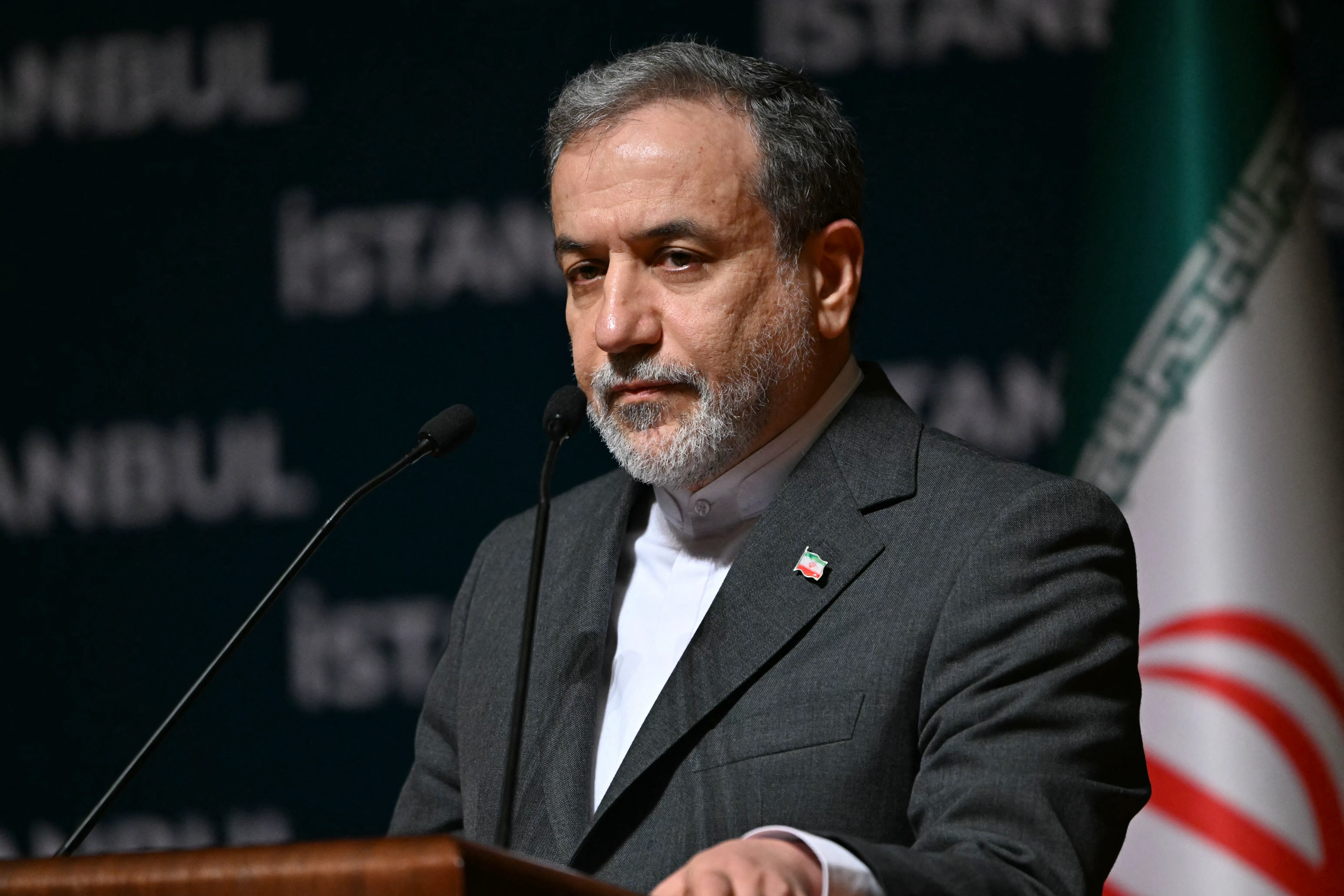
. The Iranian regime's foreign minister also held talks with Russian diplomacy.
The Chinese position has faced tough questions. Although he presents himself as a balanced actor and promoter of dialogue, his reluctance to assume a more active role in conflict resolution has raised doubts about his real commitment to global stability. Observers point out that Beijing prioritizes the protection of its energy and commercial interests, especially its relationship with Iran as a major
oil supplier.
Iran, at the center of these tensions, continues to be a focus of international concern. Its foreign policy and its participation in complex regional dynamics have contributed to a volatile environment, hampering de-escalation efforts. In addition, their dependence on allies such as Russia and China, in the midst of economic sanctions, limits their options and reinforces their alignment with this block
.
In this scenario, the United States seeks to increase pressure on Tehran through economic and strategic measures, with the aim of forcing a return to negotiations. The response of China and Russia to these initiatives reflects a growing polarization in the international system, where major powers compete for influence in key regions
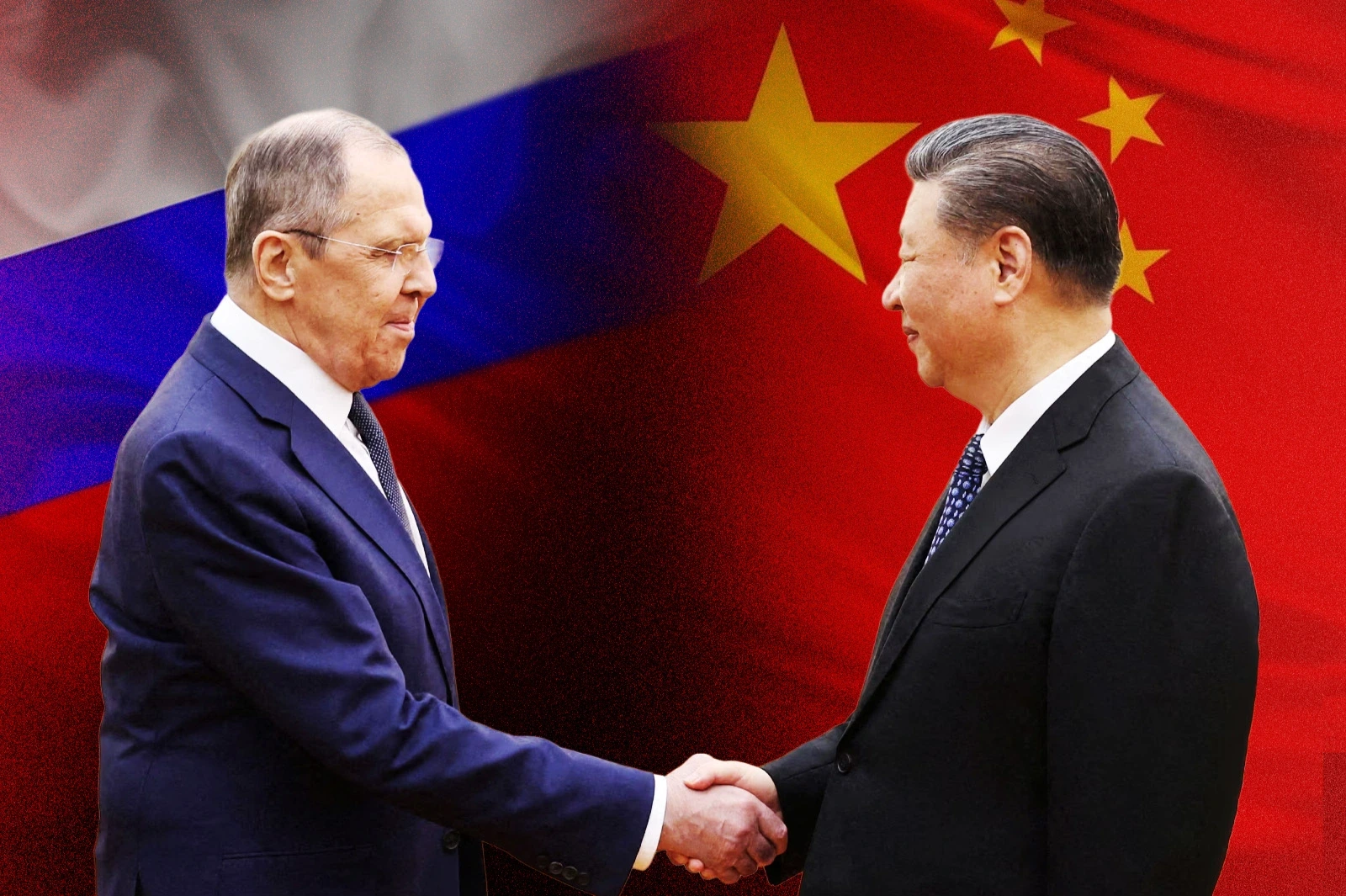
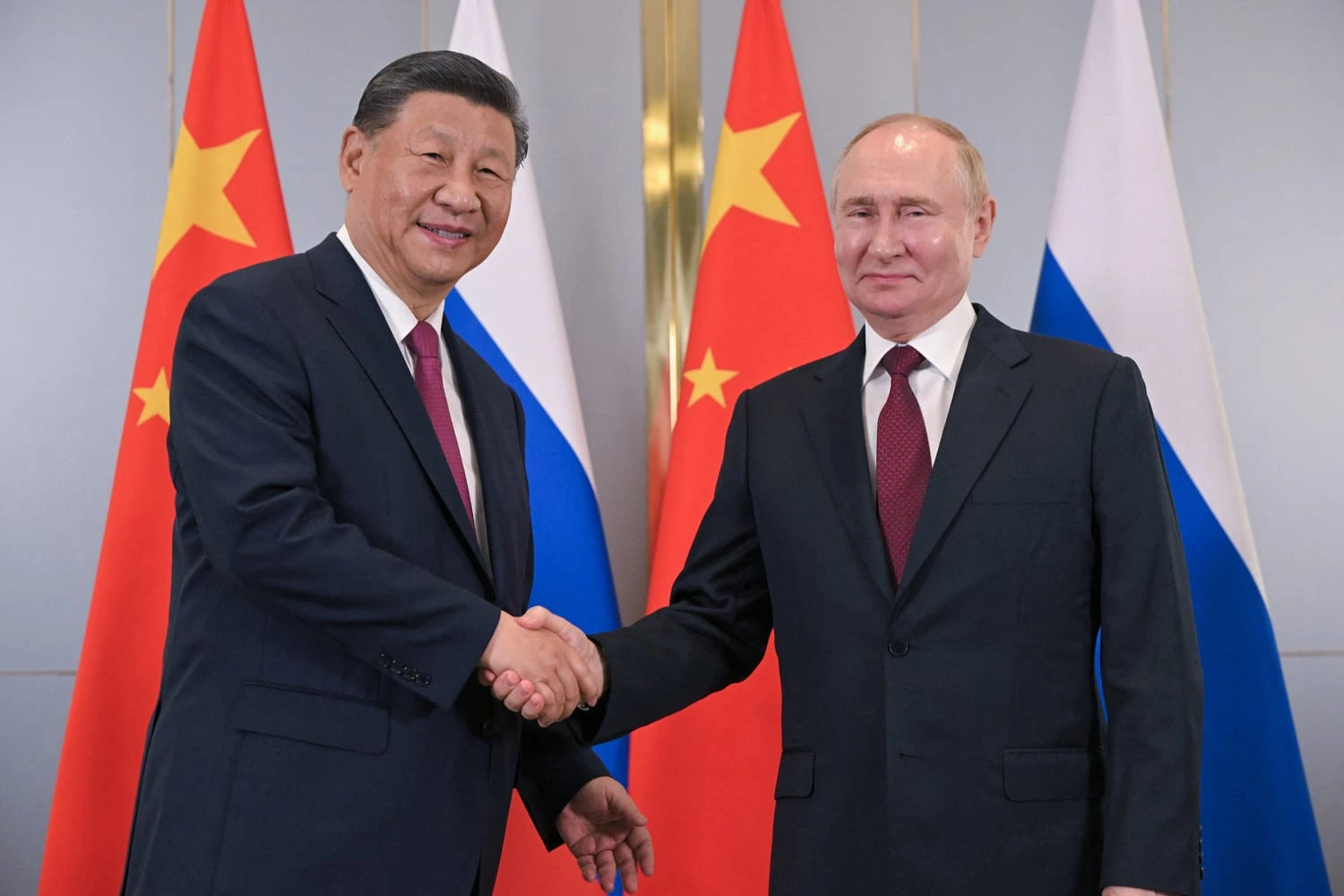
. The governments of Russia and China have aligned themselves in order to counter the influence of the United States at the geopolitical level.
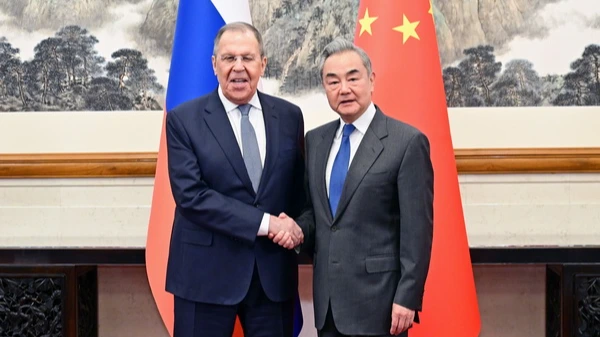
The Russian Foreign Minister, Sergey Lavrov, arrived in Beijing this Tuesday to hold a series of meetings with his Chinese counterpart, Wang Yi, in an international context marked by the war in Ukraine and increased tensions in the Middle East, especially around Iran.
As reported by the Russian Foreign Ministry, both sides plan to an “exhaustive exchange of views” on issues considered to be priorities, including the war in Ukraine and the evolution of the conflict in the Middle East. They will also address bilateral cooperation and coordination in multilateral forums such as the United Nations, BRICS, the G20 and the Shanghai Cooperation Organization
.
Lavrov's visit comes at a time of growing strategic alignment between Moscow and Beijing, a relationship that has intensified since Russia launched its full-scale military offensive in Ukraine in 2022. Both countries have strengthened their economic and political ties, presenting themselves as a counterweight to the influence of the United States
and its allies. The Russian Foreign Minister traveled to Beijing to meet his Chinese counterpart and talk about the ongoing war conflicts
In parallel, the head of Russian diplomacy recently maintained contacts with the Iranian Foreign Minister, Abbas Araghchi, to whom he transferred Moscow's willingness to contribute to a diplomatic solution in the Middle East. Russia insisted that the conflict has no military solution, while stressing the importance of avoiding a new escalation in the region
.
However, this position has been the subject of criticism at the international level. Multiple experts pointed to the contradiction between the Russian discourse in favor of dialogue in other scenarios and its actions in Ukraine, where it has a protracted war that has generated widespread condemnation. This duality weakens his image as a potential mediator in