The statements reflect the new attempt by Chavismo to attract foreign capital and especially U.S. investments in strategic sectors such as mining, energy, and oil, amid the deep economic crisis that Venezuela has been experiencing for years.





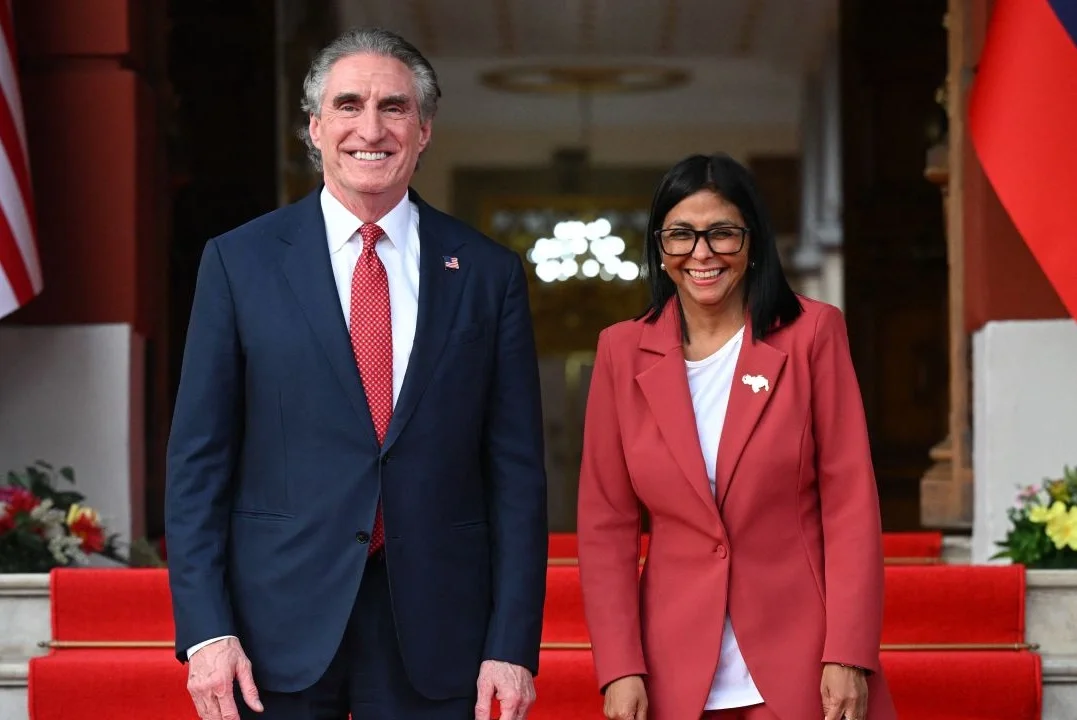

Doug Burgum recounted a meeting with mining executives where the Chavista regime promised to quickly adapt legislation to facilitate business with American companies.
The statements reflect the new attempt by Chavismo to attract foreign capital and especially U.S. investments in strategic sectors such as mining, energy, and oil, amid the deep economic crisis that Venezuela has been experiencing for years.





The U.S. Secretary of the Interior, Doug Burgum, revealed details of a meeting held with high-ranking officials of the Venezuelan regime and executives from the mining sector, where Delcy Rodríguez offered to modify Venezuelan laws to adapt them to the interests of foreign companies.
During a conference related to the energy and mining sector, Burgum recalled a meeting that included Delcy Rodríguez and her brother Jorge Rodríguez, president of the National Assembly controlled by Chavismo. He recounted that regime officials were trying to convince American businessmen to invest in Venezuela following the recent political and economic changes implemented in the country.
“Delcy told the American businessmen: ‘Well, tell us what you want in the law. We will present it on Saturday’,” Burgum stated to the attendees of the event.
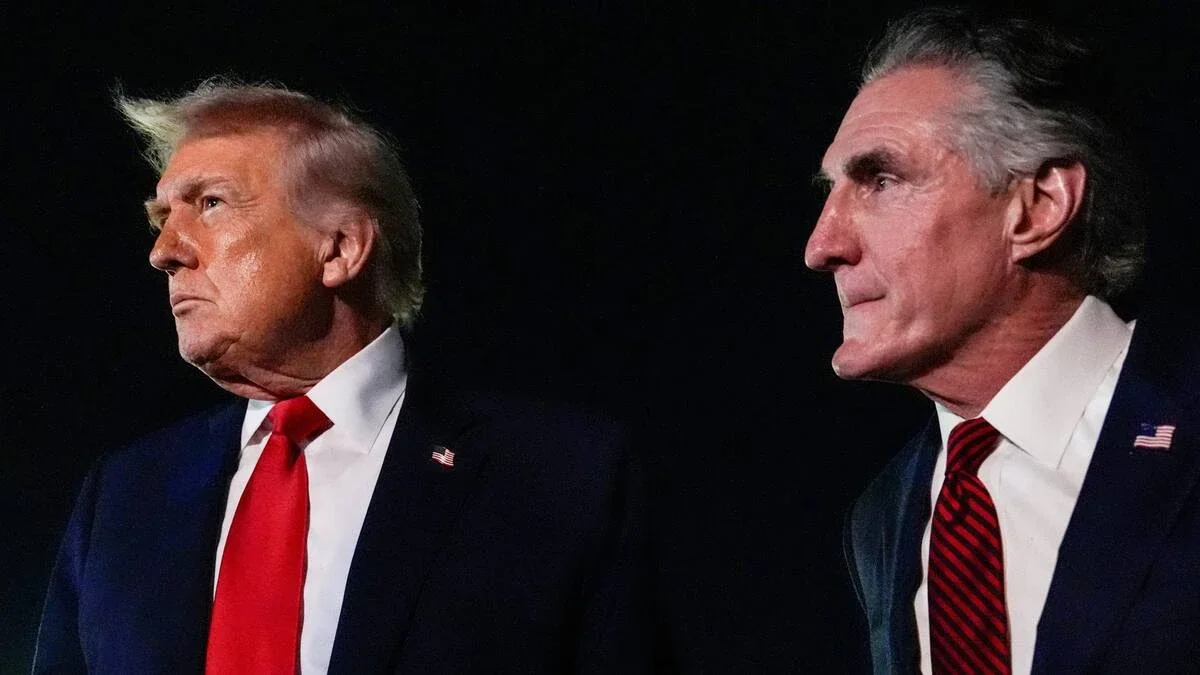
The U.S. official explained that, after hearing the observations and requests from the private sector, the regime quickly moved forward with the legislative proposal. “So they took the comments into account. The law is introduced. Her brother is the president of the Assembly. I asked him: ‘Is the law going to pass?’,” Burgum recounted.
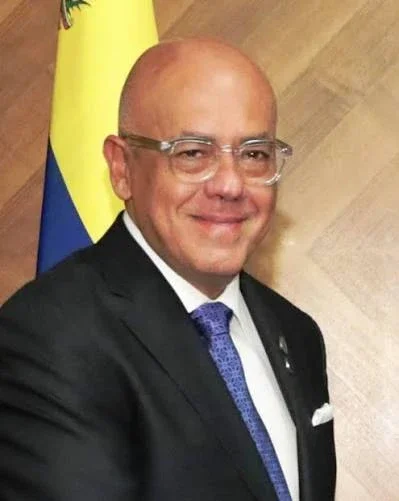
According to the U.S. Secretary, Jorge Rodríguez responded immediately and emphatically: “Yes.”
In recent months, the Venezuelan regime has pushed various economic reforms aimed at easing state controls and partially opening historically closed sectors to international private investment. The government is desperately seeking new income and international legitimacy after years of isolation and sanctions.
Burgum's words also generated criticism among Venezuelan opposition sectors, who accuse Chavismo of modifying laws and institutional structures solely to guarantee business and consolidate its hold on power.
Meanwhile, various international companies have begun to show interest in returning to the Venezuelan market, especially after the partial relief of some sanctions and the expectations of a potential political and economic stabilization in the country.
The episode also exposed the enormous political control that Chavismo maintains over Venezuelan institutions. The response attributed to Jorge Rodríguez reinforced the perception that the National Assembly operates directly aligned with the decisions of the Executive controlled by Nicolás Maduro and Delcy Rodríguez.