As explained by the head of US diplomacy, the operation seeks to neutralize Iranian military capacity, including its missile program, drones and naval structure.
The official warned that the objective is to prevent Tehran from developing nuclear weapons, something that could further destabilize the international scene.
The United States Senate rejected a resolution that sought to block the military operation ordered by President Donald Trump against the Iranian regime. The initiative was intended to limit the intervention known as “Operation Epic Fury”, but was defeated
by a majority.
The vote ended with 53 votes against and 47 in favor, allowing the offensive to continue without additional restrictions from Congress. The proposal had been promoted by Democratic Senator Tim Kaine and was also supported by Republican Rand Paul
.
The decision reflects the majority support of the Republican bloc for the White House's strategy to confront the Tehran regime, which Washington accuses of promoting international terrorism and of advancing its nuclear program.
Congress supports Trump's strategy The
resolution sought to force the president to obtain prior authorization from Congress to continue military operations against Iran
.
However, the initiative was unlikely to succeed from the start because of the Republican majority in both chambers. In addition, even if it had been passed, it still had to go through a complex legislative process before becoming
law.
The project also faced a key obstacle: the potential presidential veto. To reverse that decision would require a two-thirds majority in Congress, a
politically unlikely scenario.
The vote highlighted the differences between Democrats and Republicans regarding the management of the crisis with the Iranian regime.
The government's warning about the Iranian regime
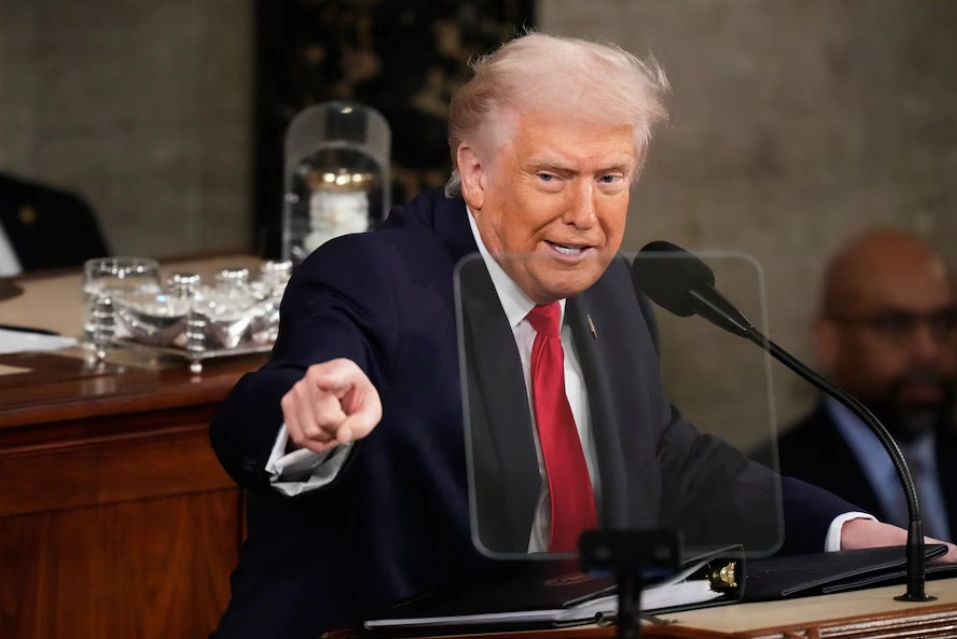
Before the vote, the US Secretary of State, Marco Rubio, defended the offensive and assured that the threat posed by Iran requires a
firm response. Image 1370225
Rubio described the Iranian regime as a system dominated by religious fanatics with nuclear ambitions, and argued that Trump's decision aims to prevent the country from moving forward in developing strategic
Tension is growing in the Middle East
As the political debate unfolds in Washington, the conflict continues to escalate in the Middle East
.
Since the start of hostilities on February 28, following a joint operation by the United States and Israel against Iranian regime targets, thousands of American citizens have left the region.
The State Department reported that about 9,000 Americans have already been evacuated through commercial flights, charter flights and military transportation options coordinated by the government.
U.S. authorities are working with airlines and international organizations to facilitate the departure of citizens who remain in areas affected by the escalation.
Key support for the offensive
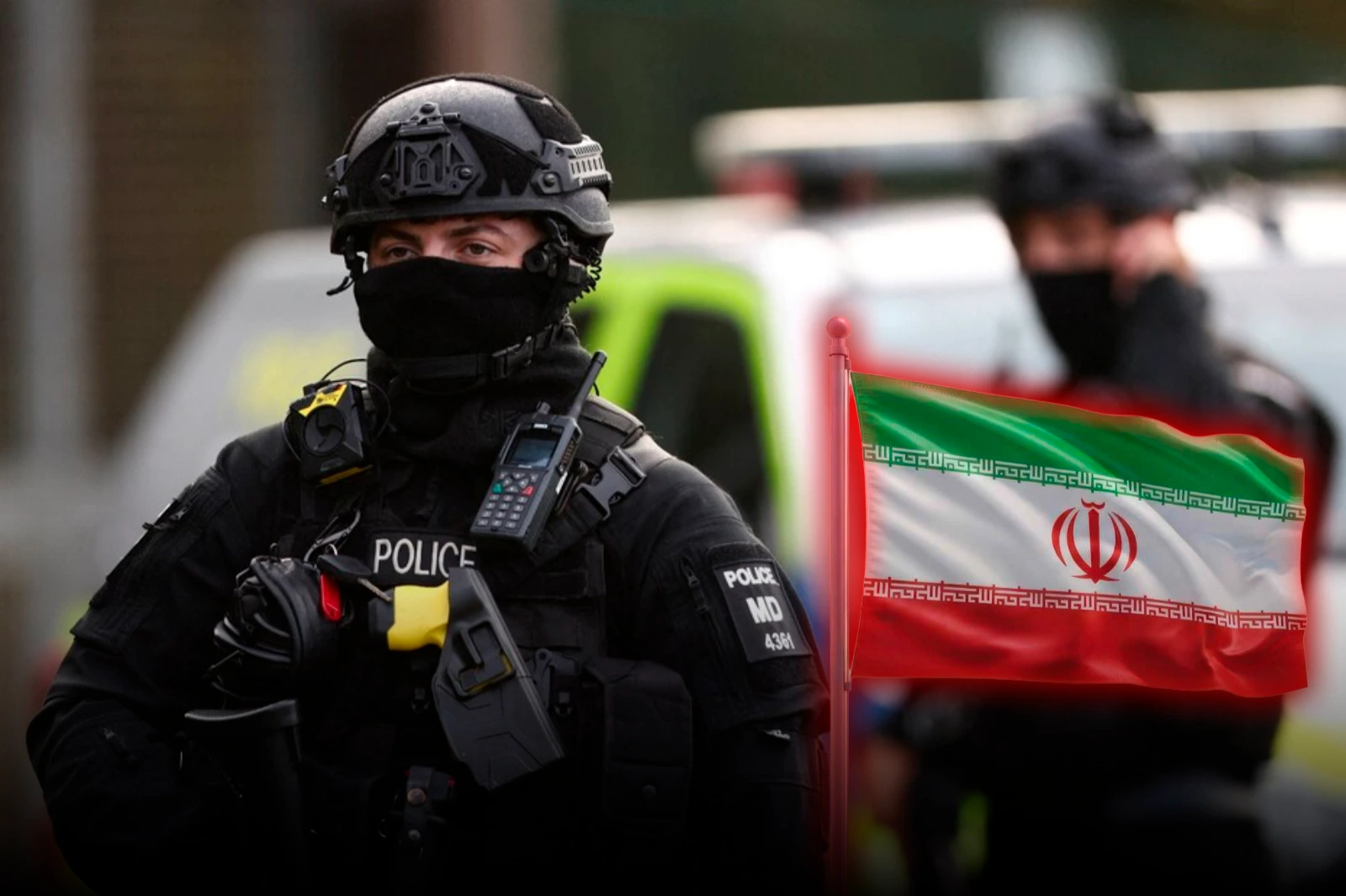
Image 1370226
The Senate's rejection of the resolution represents important political support for President Trump's strategy in the Middle East
.
The White House maintains that the offensive against the Iranian regime seeks to stop the advance of an actor that for years has financed terrorist groups, destabilized the region and threatened to develop nuclear weapons.
For the U.S. government, weakening Tehran's military capacity is a central condition for ensuring international security and preventing the regime from continuing to expand its influence on the global stage.