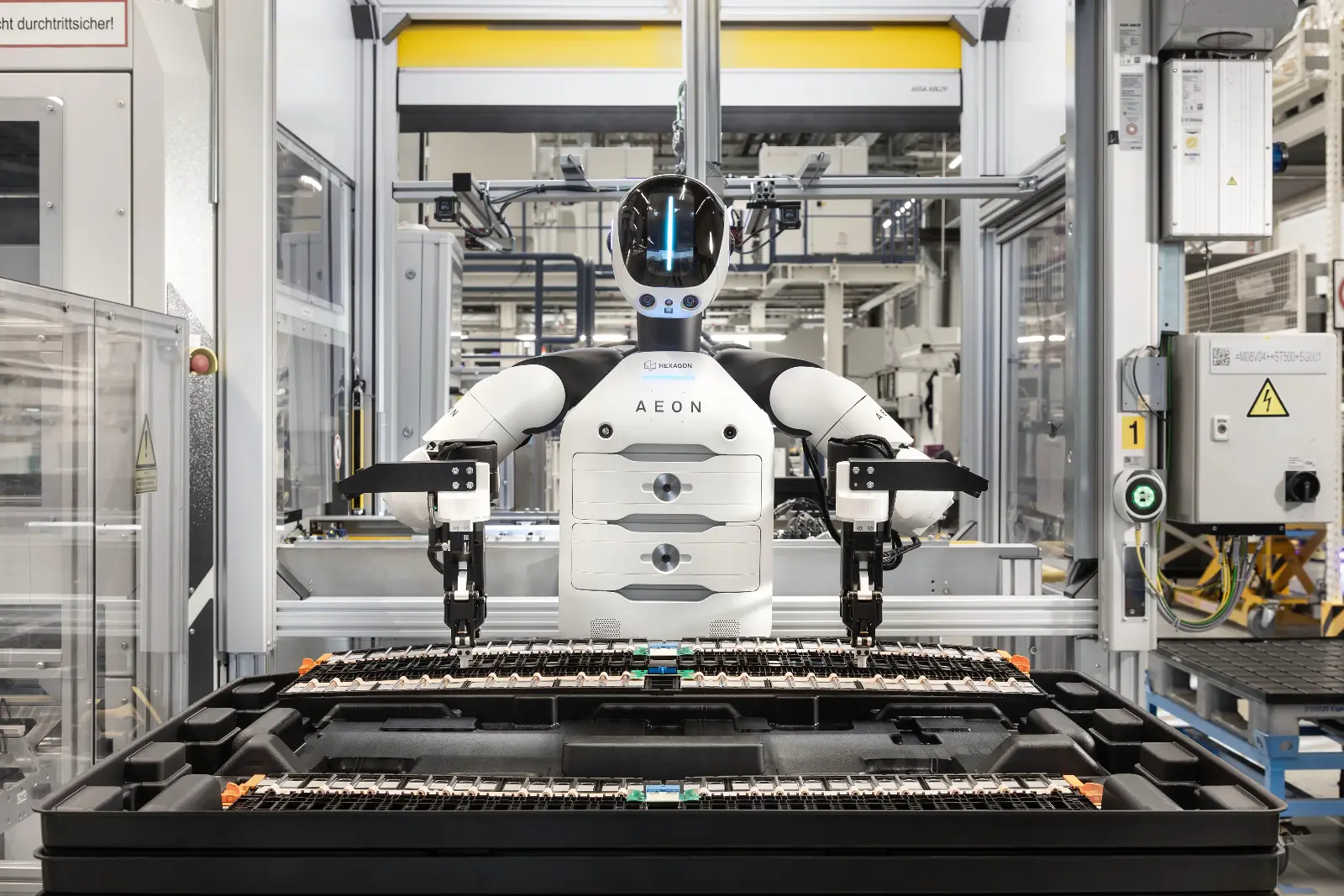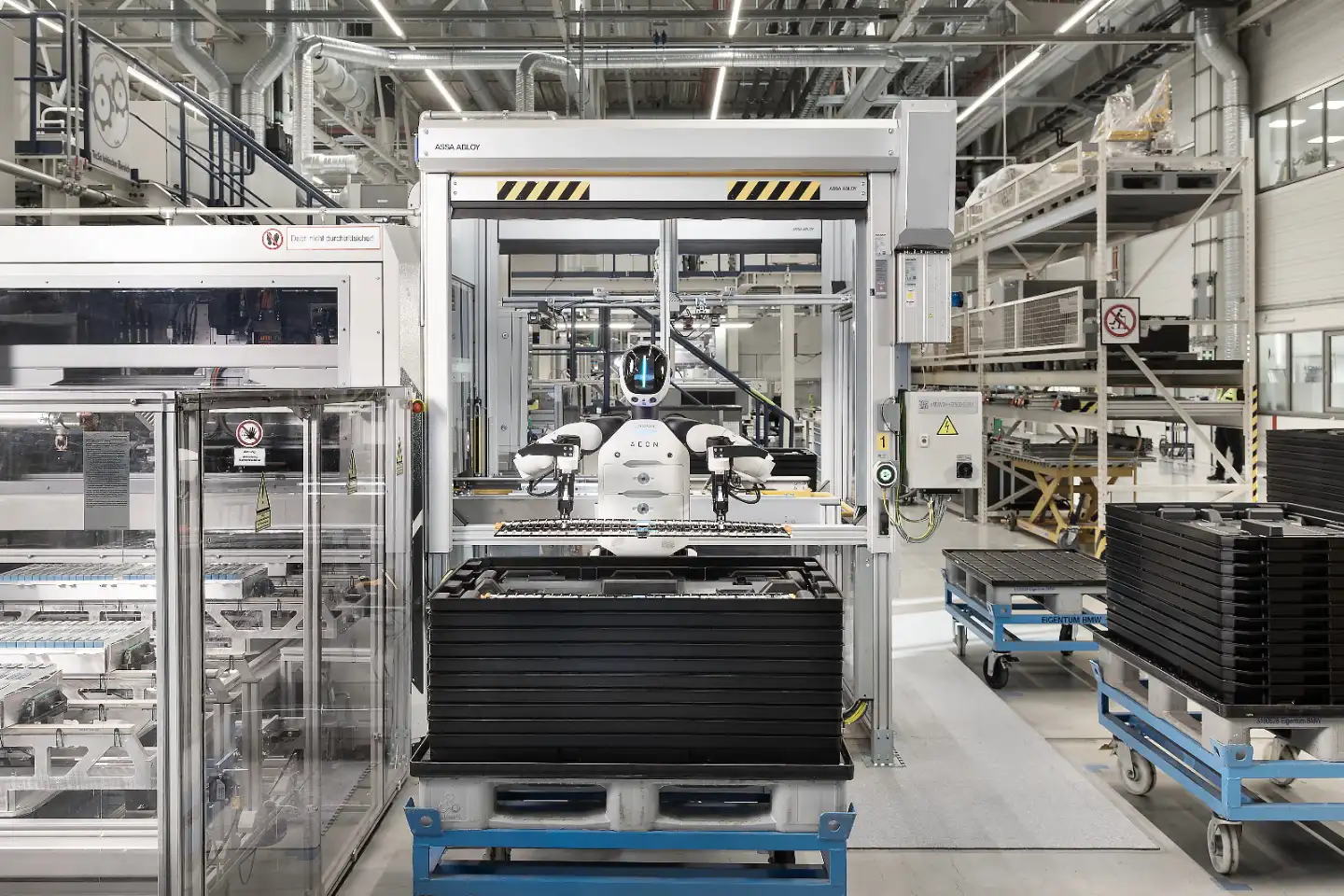

Volvo began training humanoid robots at its factory in Ghent, Belgium, to delegate the most repetitive and physically demanding tasks of automotive production. The initiative, announced on November 26, includes a learning and validation phase before incorporating these machines into industrial operations by 2027.
The devices were developed by Hexagon Robotics, the robotics division of the Swedish technology group Hexagon. Ghent became the first Volvo plant to incorporate this technology, which will operate alongside workers and existing automation systems.
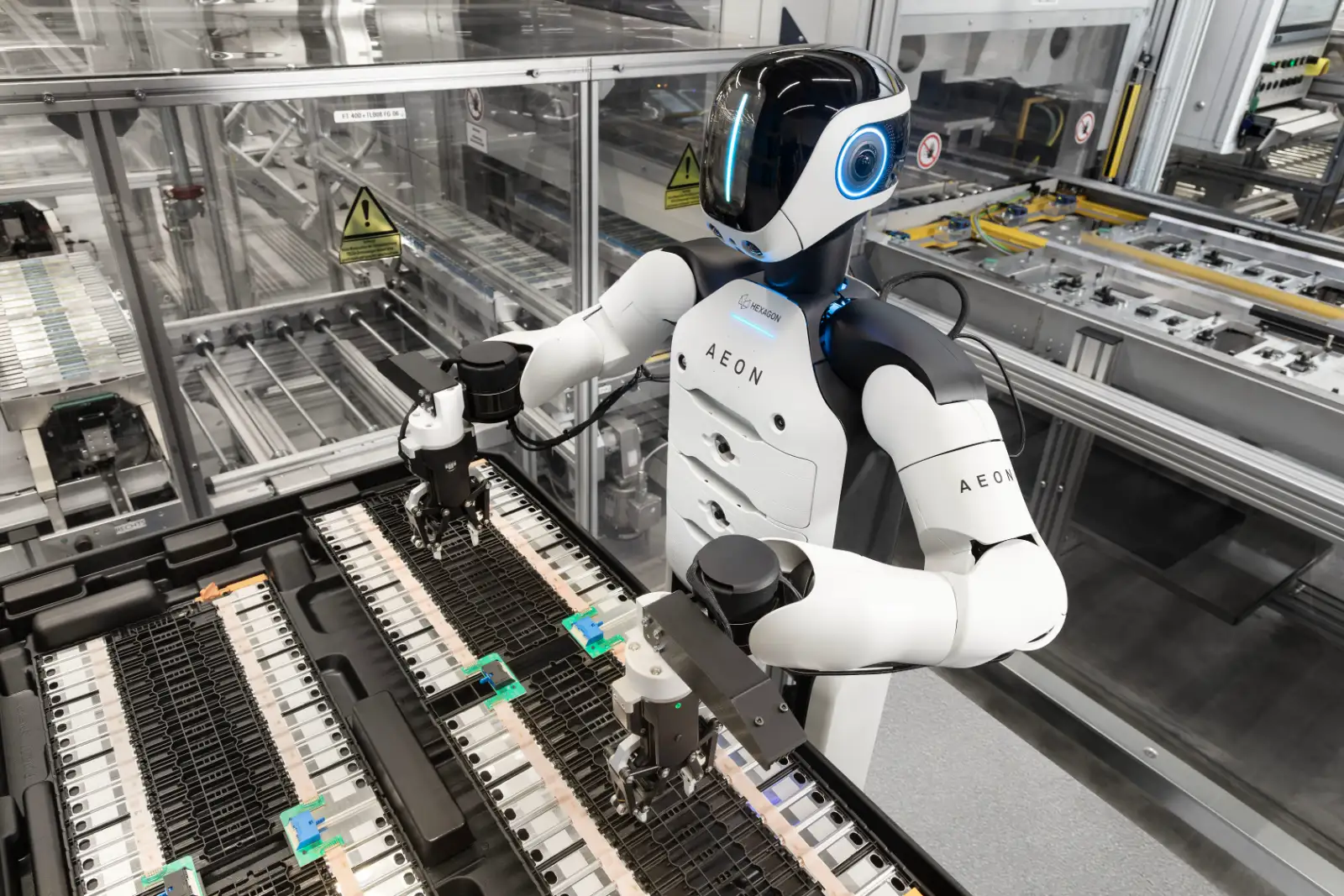
The training is conducted by the automaker's own staff, in collaboration with Hexagon specialists. The first activity involves placing components on two supports with a high level of precision.
The robots use an imitation learning system, through which they observe the movements of operators and then reproduce them. Once the machines demonstrate their ability to complete an activity, the program managers progressively increase the complexity of the tasks.
In the upcoming stages, the devices will need to manipulate several parts simultaneously, move through different areas of the factory, and interact with other automated equipment.
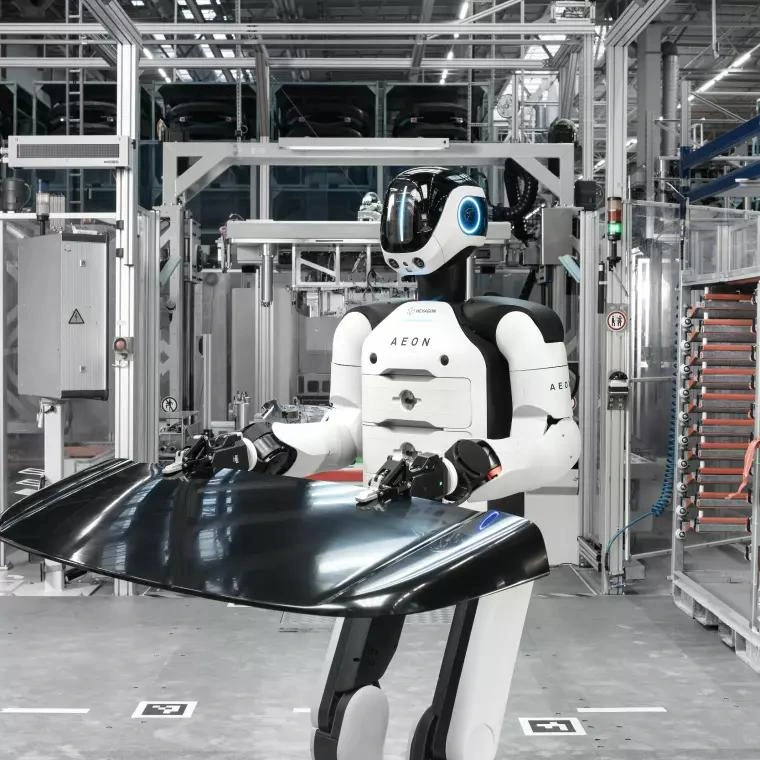
What the humanoid robots incorporated by Volvo are like
The model selected by the Swedish automaker is called AEON and features a structure designed to operate in industrial facilities originally conceived for human workers.
The robot stands 1.65 meters tall, weighs 60 kilograms, and can lift loads of up to 10 kilograms. Unlike other humanoids, it does not have feet but uses wheels to move at a maximum speed of 2.4 meters per second.
It also has cameras and sensors that allow it to recognize its environment, identify components, and execute precise movements.
Traditional robotic arms have been part of automobile manufacturing for decades. However, they generally remain installed in specific locations and are intended to perform predetermined movements.
Magnus Nilsson, Volvo's Manufacturing Director, explained that the humanoid design of the AEON facilitates its integration into current facilities without the need to completely modify production processes.