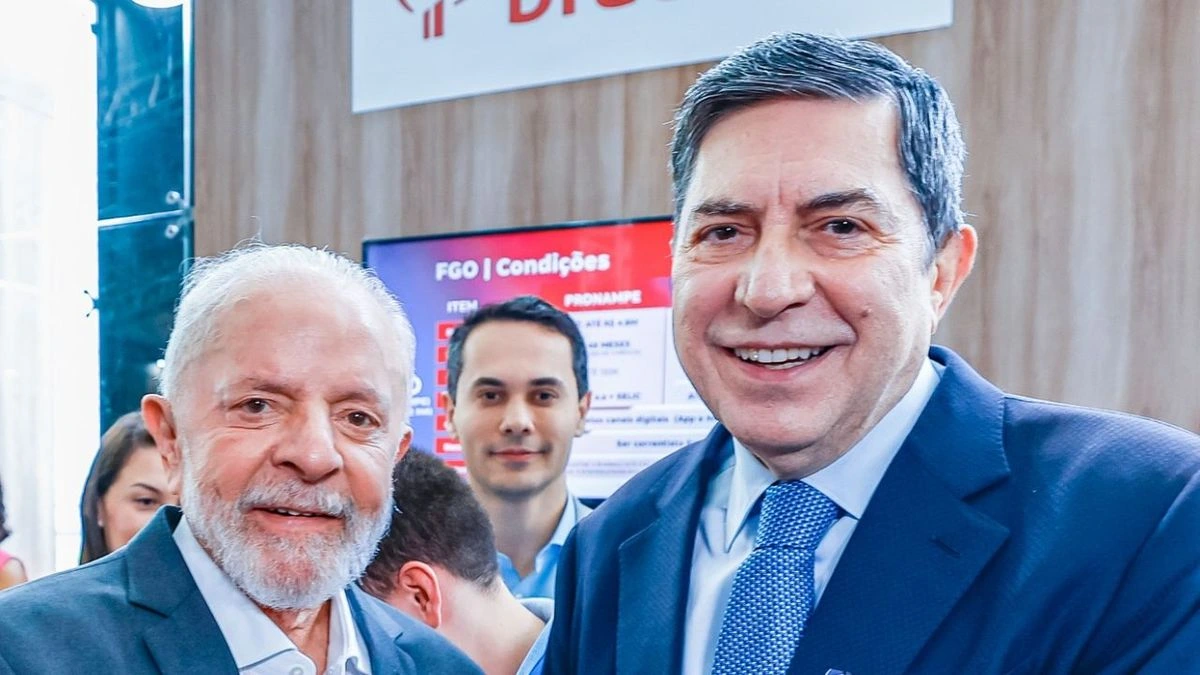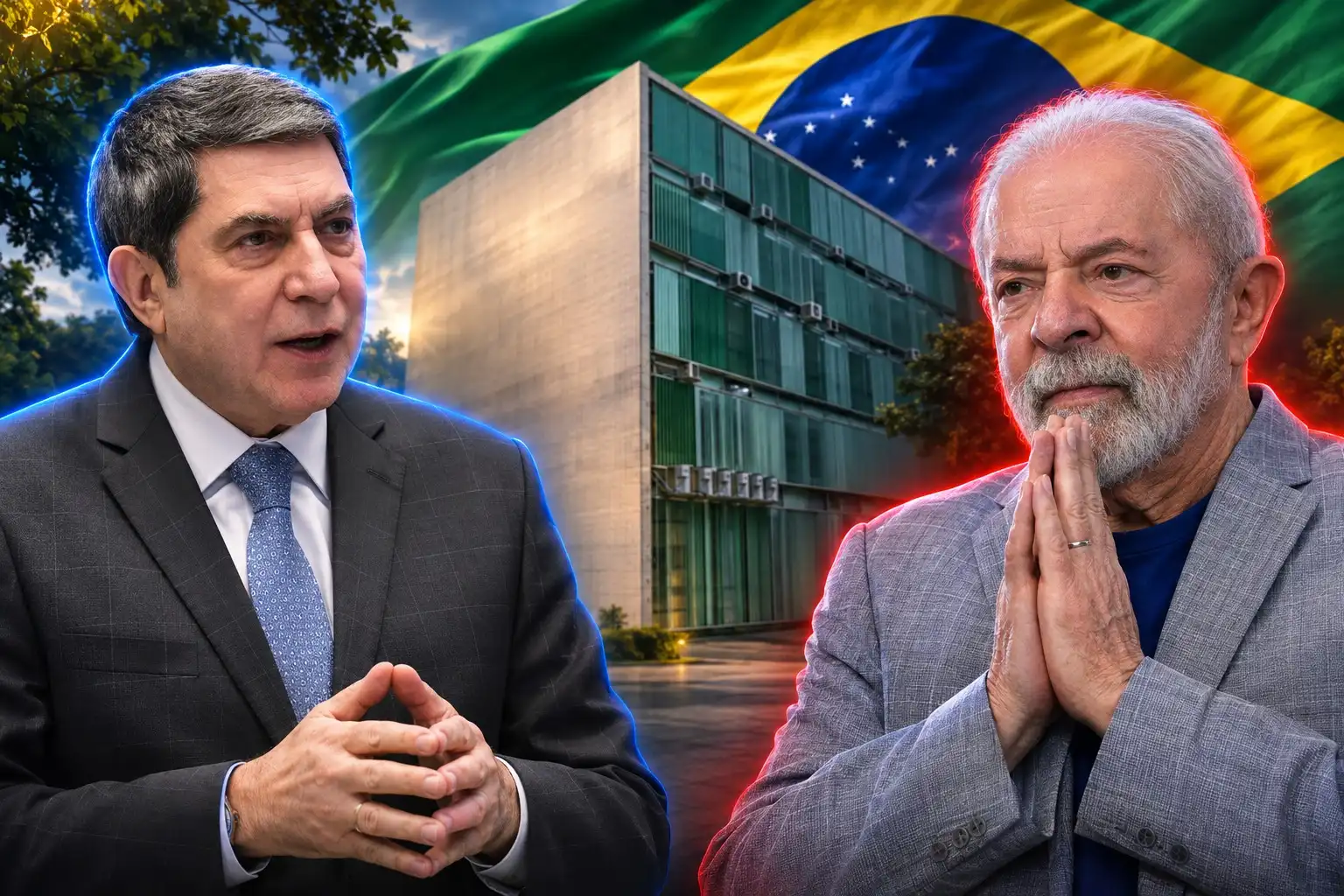

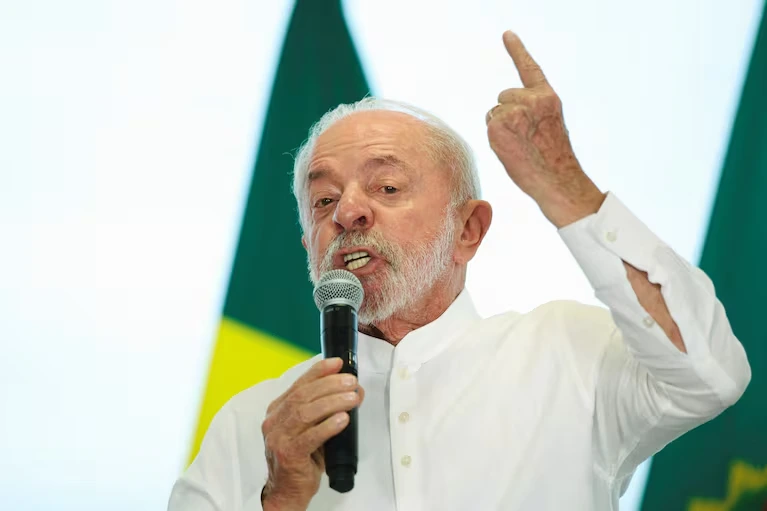
The dictator of Brazil, Luiz Inácio Lula da Silva, took a turn in his economic strategy and chose one of the main references in the private financial sector to lead the economy during his next term.
This is Luiz Carlos Trabuco, 75, president of Bradesco's board of directors, who has already accepted the proposal and will become head of the Ministry of Finance in January 2027.
The decision represents a significant change in the economic orientation that the Brazilian regime seeks to transmit, after weeks of declines in financial markets following the re-election of dictator Lula and the sharp deterioration of economic and public accounts.
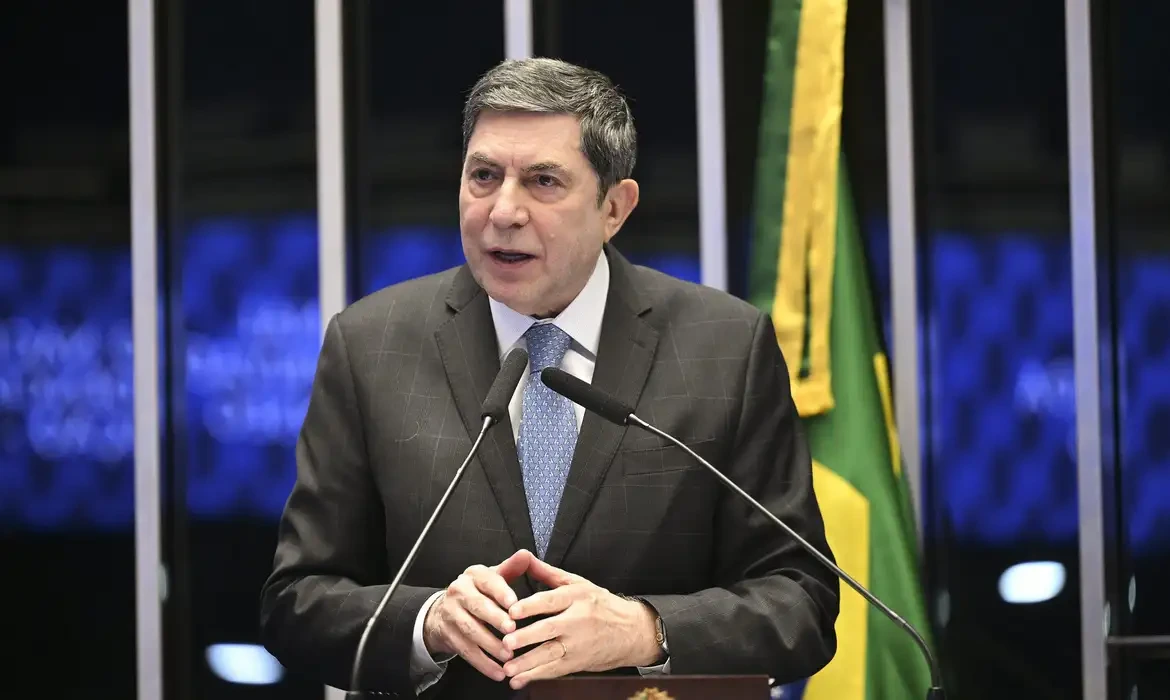
The Brazilian president turned to a banker with more than five decades of experience in the private sector to try to regain investor confidence and face the economic crisis
.The confirmation came after a meeting between the two leaders in Brasilia, during which Trabuco formally accepted the presidential invitation. The decision was also communicated by Bradesco to its shareholders and to the market
.The appointment took place in a complex economic context for Brazil. During Lula's current administration, gross public debt increased by more than 11 percentage points and reached 82.9% of Gross Domestic Product
(GDP).Added to this are investor concerns about the growth of public spending and the Executive's difficulties in moving forward with adjustment measures to tidy up fiscal accounts.
The market reaction and Lula's turnaround The
possibility of Trabuco taking over the Ministry of Finance had already generated a positive reaction among investors before official confirmation. On Thursday, Brazil's benchmark stock index rose 6.07%, while the commercial dollar fell 1.25% and closed