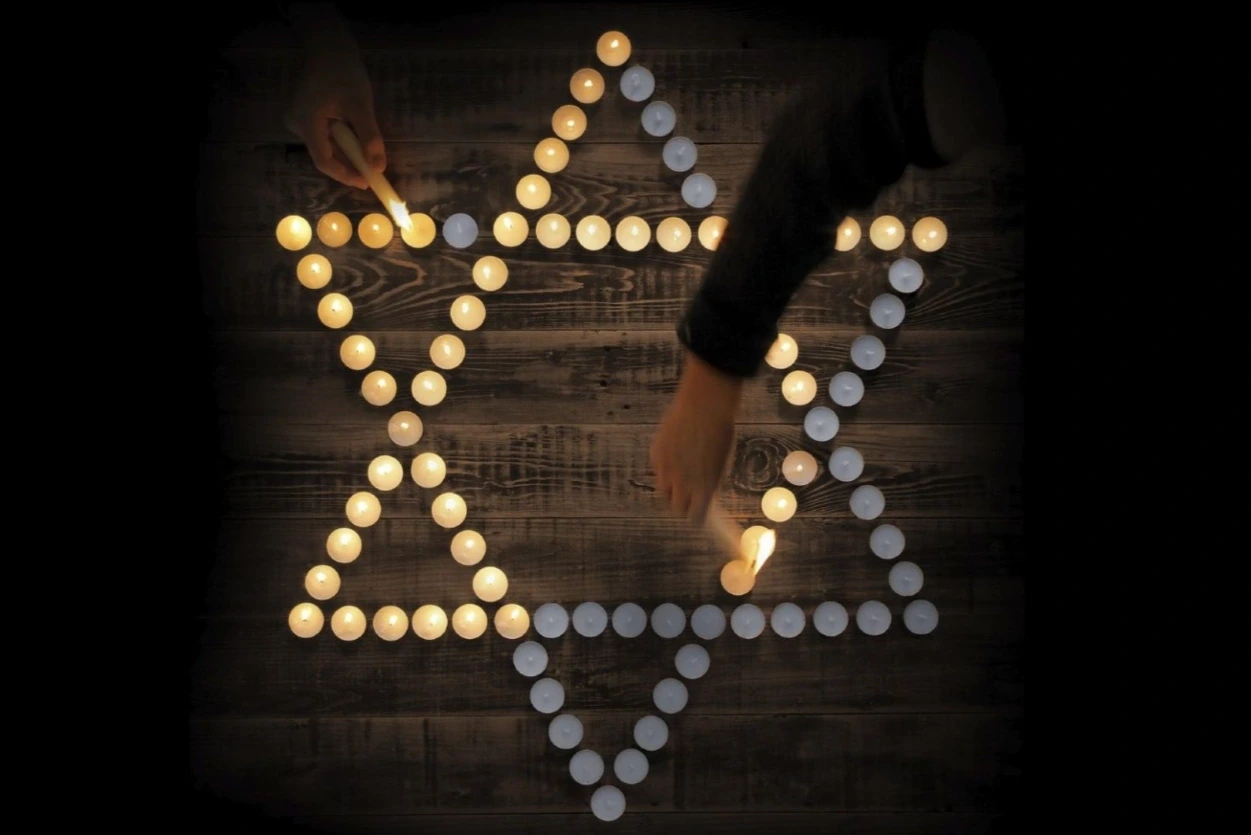

Every year, on a mobile date in the Hebrew calendar that in 2026 coincides with April 14, Yom HaShoah is commemorated, a central day for the memory of the Jewish people and a global call to confront anti-Semitism.
Unlike January 27, established by the United Nations, this commemoration is deeply linked to Jewish history and identity. It remembers not only the six million Jews killed during the Shoah, but also those who resisted the persecution of the Nazi regime
led by Adolf Hitler.A Day of Memory and Reflection


In Israel, Yom HaShoah is experienced with a unique intensity. A two-minute siren paralyzes the country: cars stopped on highways, immovable pedestrians on the streets, shops in silence. It is a collective gesture that symbolizes respect and memory for the victims of the
Holocaust.The central events take place in Yad Vashem, where survivors, leaders and young people participate in ceremonies that seek to keep the memory alive and transmit it to new generations.
Anti-Semitism, a current threat
The memory of the Shoah is not only historic. In a global context where hate speech is re-emerging, anti-Semitism continues to manifest itself in attacks on institutions, vandalism