
The legal scenario favored this outcome. Since he had no prior convictions and the sentence was less than three years, the Penal Code allowed for a conditional execution of the sentence. However, the decision of the accused himself altered the expected course.
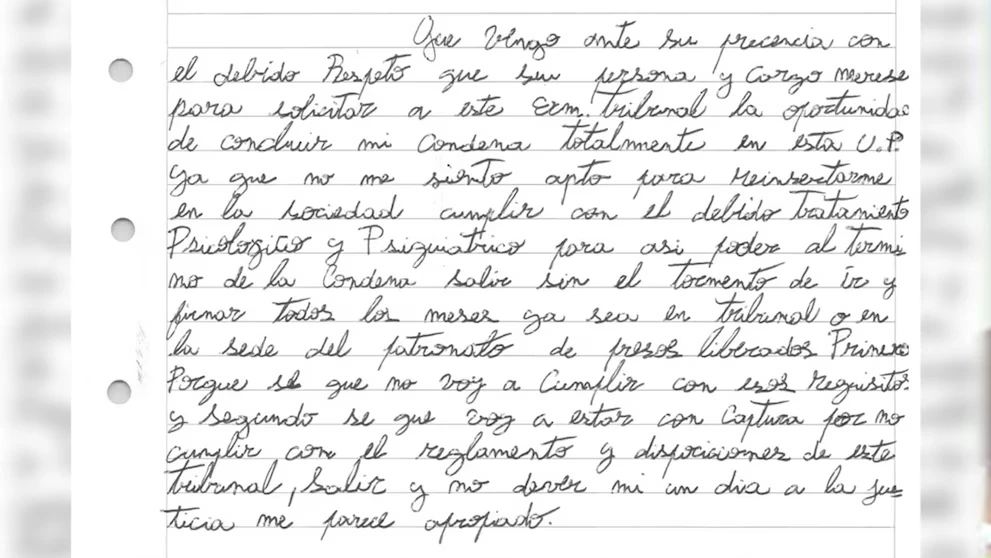
In his letter, Pacicco elaborated on the reasons for his request: “I want to undergo the necessary psychological and psychiatric treatment so that, at the end of the sentence, I can leave without the torment of having to go and sign every month […] First, because I know I will not meet those requirements, and second, I know I will be wanted for not complying with the regulations […] Leaving and not owing even a day seems appropriate to me.”
Despite his lawyer's attempts to change his mind, warning him about the risks of remaining in prison and offering to arrange temporary housing, the accused maintained his position. Without a job or a place to live, he insisted that he did not want to make mistakes again.
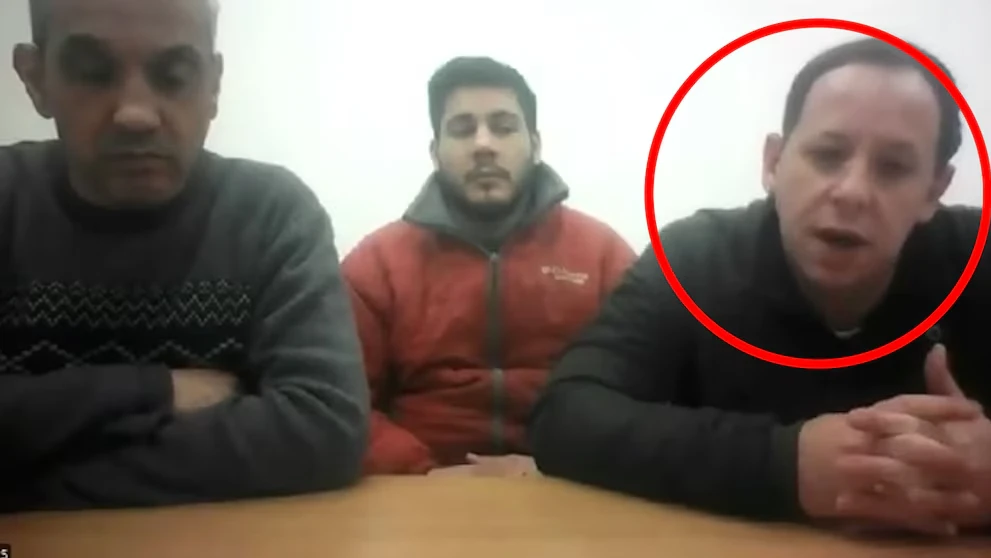
At the time of giving his last word before the court, he reaffirmed his decision. Finally, the judges sentenced him to two years of effective imprisonment.
The case began under the investigation of provincial prosecutor Luis Pizarro and later moved to the federal level after the intervention of the National Gendarmerie, which allowed progress on the structure of the substance supply.