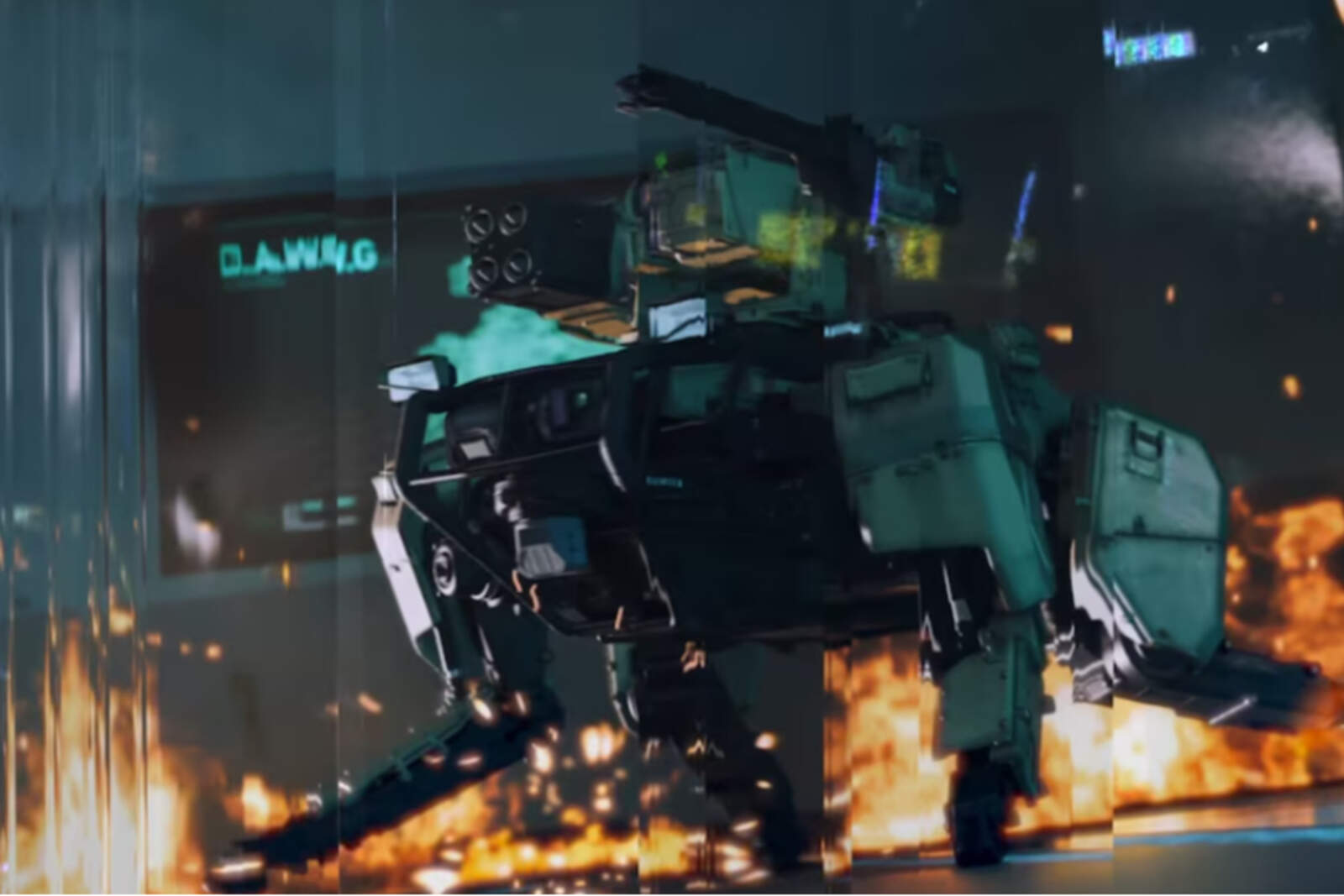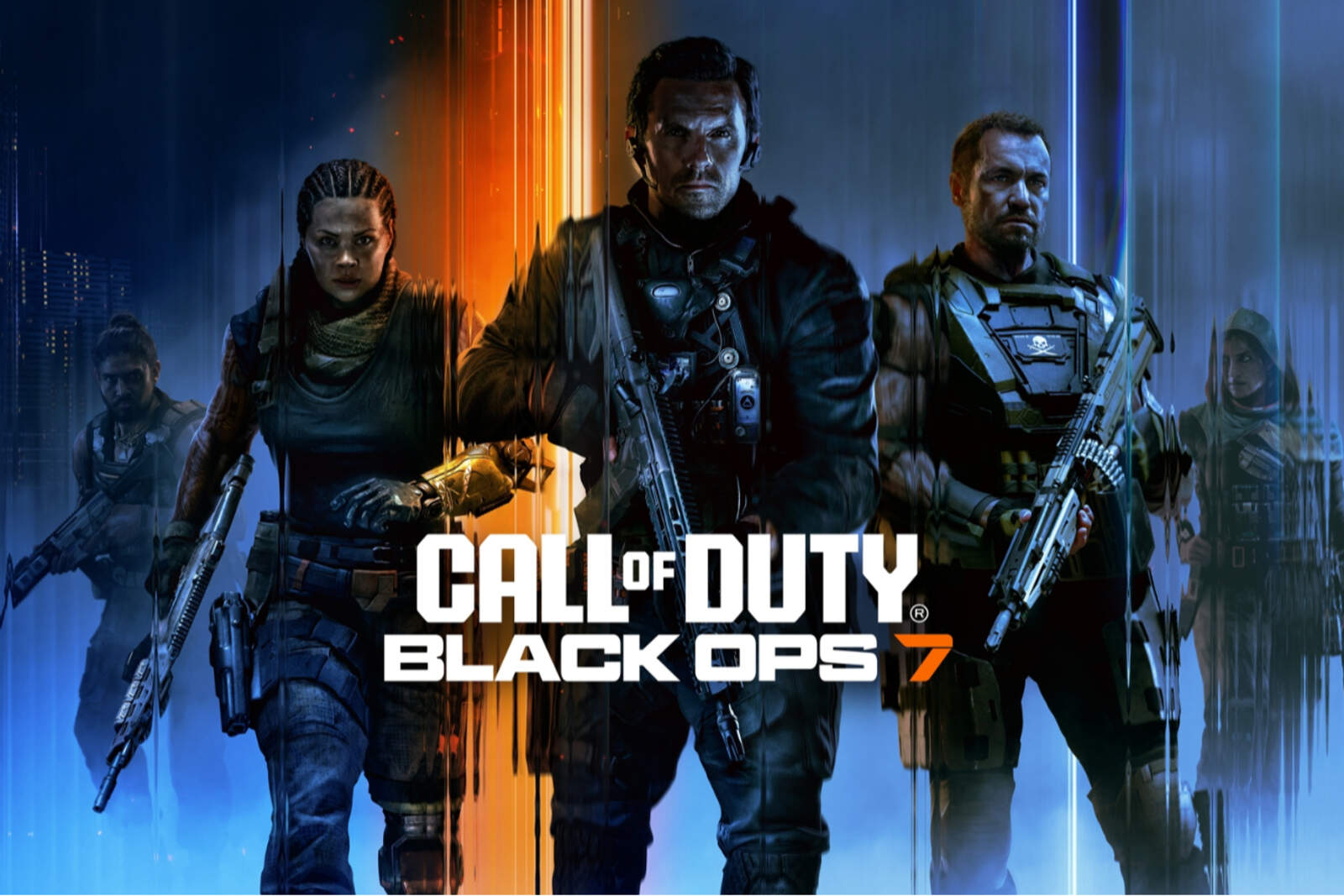

The launch of Call of Duty: Black Ops 7 has once again placed Activision at the center of the technology conversation after it was confirmed that some visual assets in the game were created with generative artificial intelligence, especially the Calling Cards. The news emerged after players noticed graphic styles similar to trends found in AI-caused images, which led the company to publicly acknowledge that it uses a variety of digital tools—including AI solutions—to support the work of its creative teams.
The company emphasizes that the process remains supervised by artists and developers, although this clarification hasn't eliminated doubts regarding the exact extent of AI use within the final product. This point became even more relevant when considering previous cases in the franchise, where other installments had also implemented automated resources at certain stages of production.
A debate reflecting deep transformations in the sector
The discussion within the gaming community is fueled by the lack of precision about which elements were caused by AI and the degree of human team intervention. In the case of Black Ops 7, differing statements from Activision spokespersons and Treyarch's creative leads have fueled the debate about transparency and communication with users.
This situation isn't isolated: studios such as Electronic Arts, Square Enix, and Embark Studios have already acknowledged various uses of generative AI to accelerate processes, especially in early stages of design, quality assurance, or prototyping. There have even been recent cases—such as Arc Raiders—where AI-caused dialogue has led to broader questions about artistic authenticity and the role of human talent.