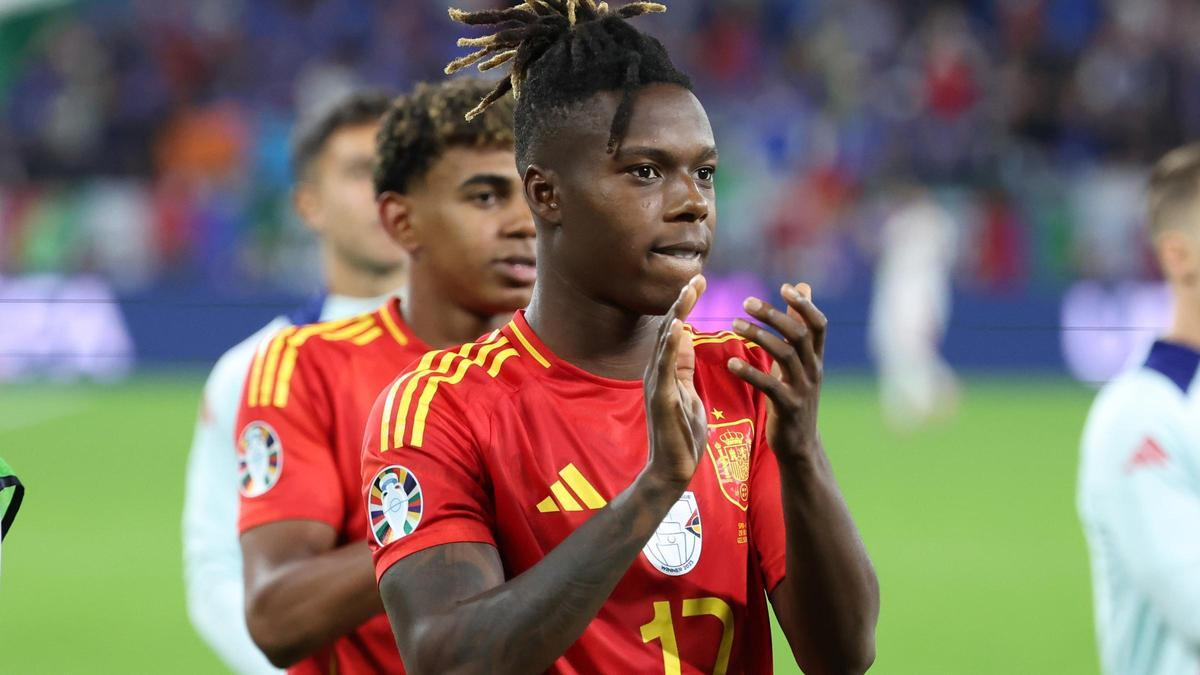

The measure was applied between February 17 and March 18, coinciding with the holy period of Islam, and ended up consolidating itself as part of the English football calendar in recent seasons. For some critical sectors, these types of decisions reflect how historic sports institutions in the Western world have begun to adapt their rules and rituals to specific religious practices, something they interpret as a significant cultural change within European sports
.The protocol established that referees and captains should previously agree on an appropriate time to take a short break during the match. A natural interruption to the game was usually taken advantage of, such as a throw-in, a foul, or a goal kick. During that brief break, players could hydrate or take energy supplements before the match continued
normally.The initiative was first introduced in 2021, in a match between Leicester City and Crystal Palace, and since then it has been repeated every season, going from being an exceptional measure to becoming a regular practice in the championship.
Among the players who participated in the Premier League and observed Ramadan were prominent names such as Mohamed Salah, William Saliba, Rayan Aït-Nouri or Amad Diallo, players from important English football clubs who were going through this religious period while the official competition continued.
Former players who played in the English league valued this approach positively. Abdoulaye Doucouré, for example, said in statements to the BBC that the English football environment respects the religious convictions of athletes. In a similar vein, Sadio Mané explained during his time at Liverpool that the club even modified training schedules to support those who fast during
this month.